Category Archives: Waysides

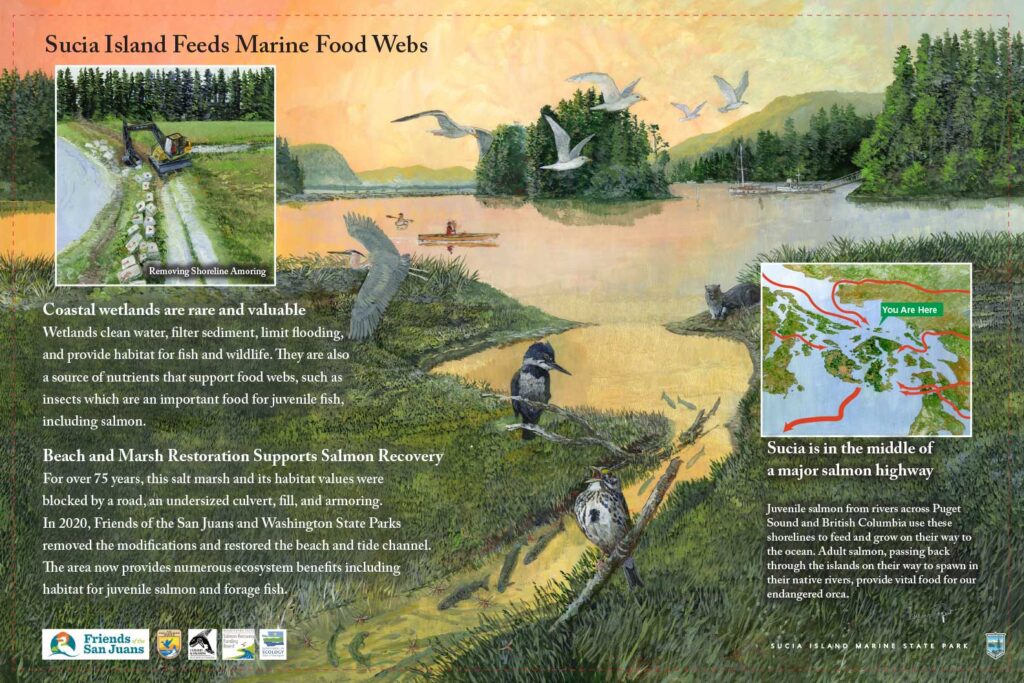
Sucia Island Marine Food Webs

There are 16 paintings here, all in layers!

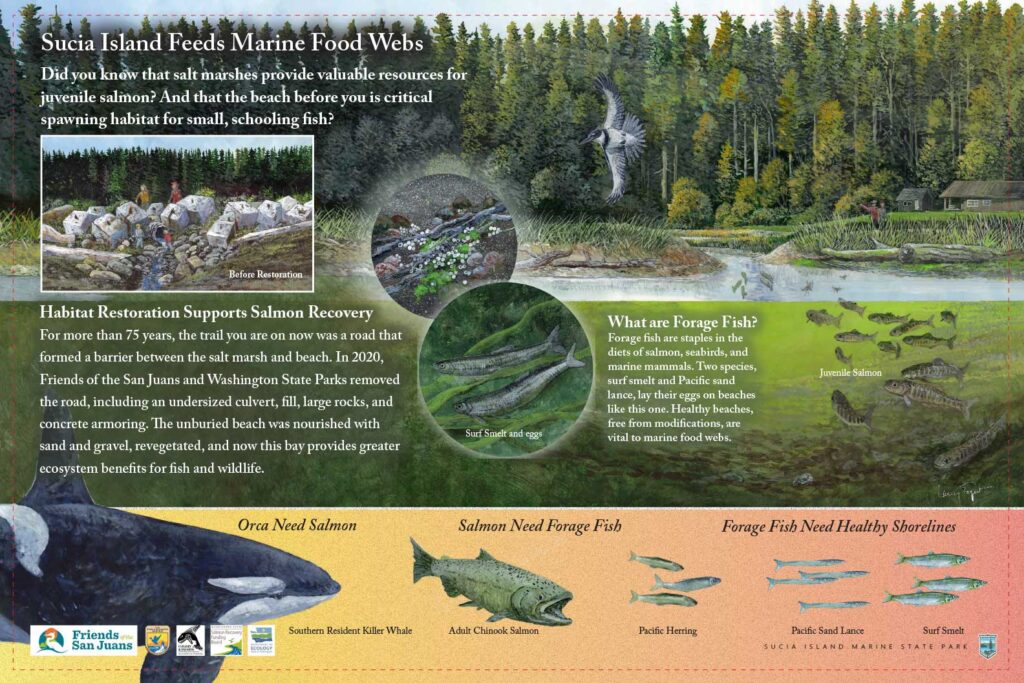
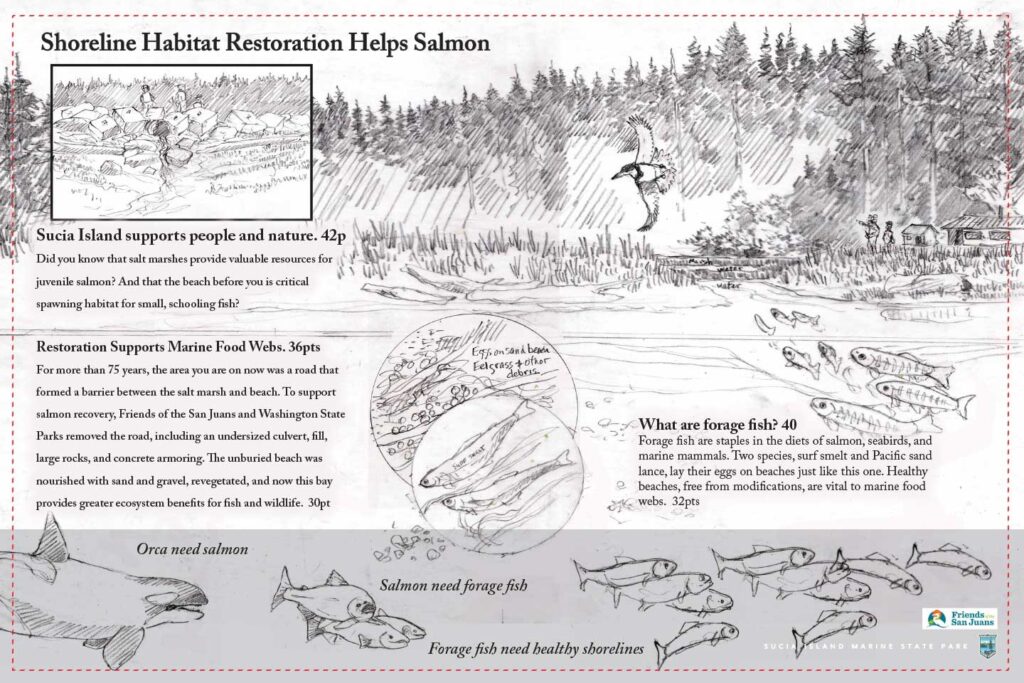
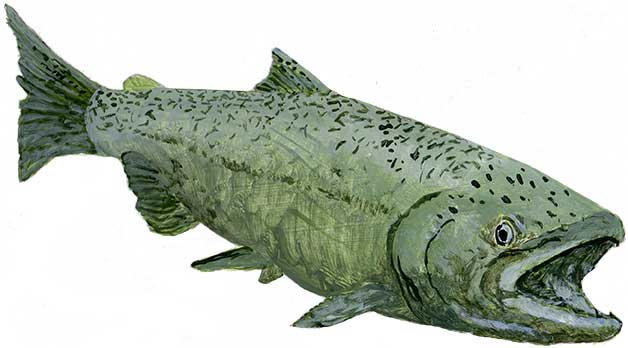
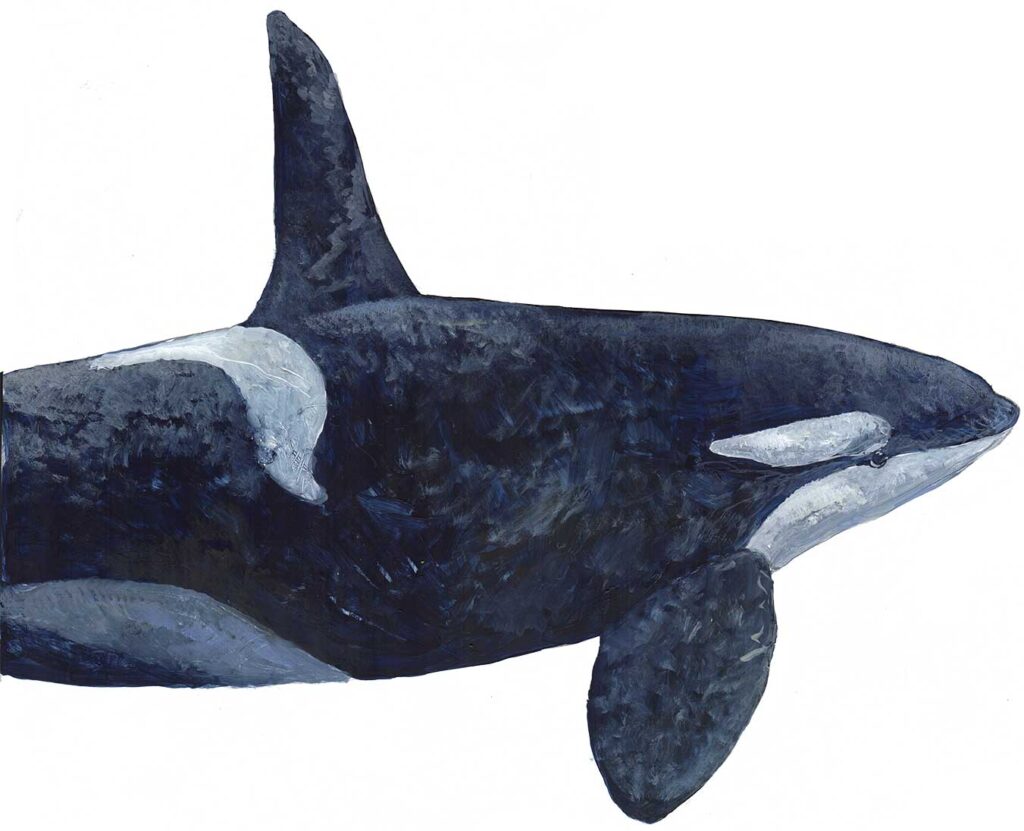
This is my second effort for two wayside panels at Sucia Island in the San Juan Islands. See the other one here. This one is much more complex, many pieces of art all layered together to tell the story of forage fish, salmon and orca whales.

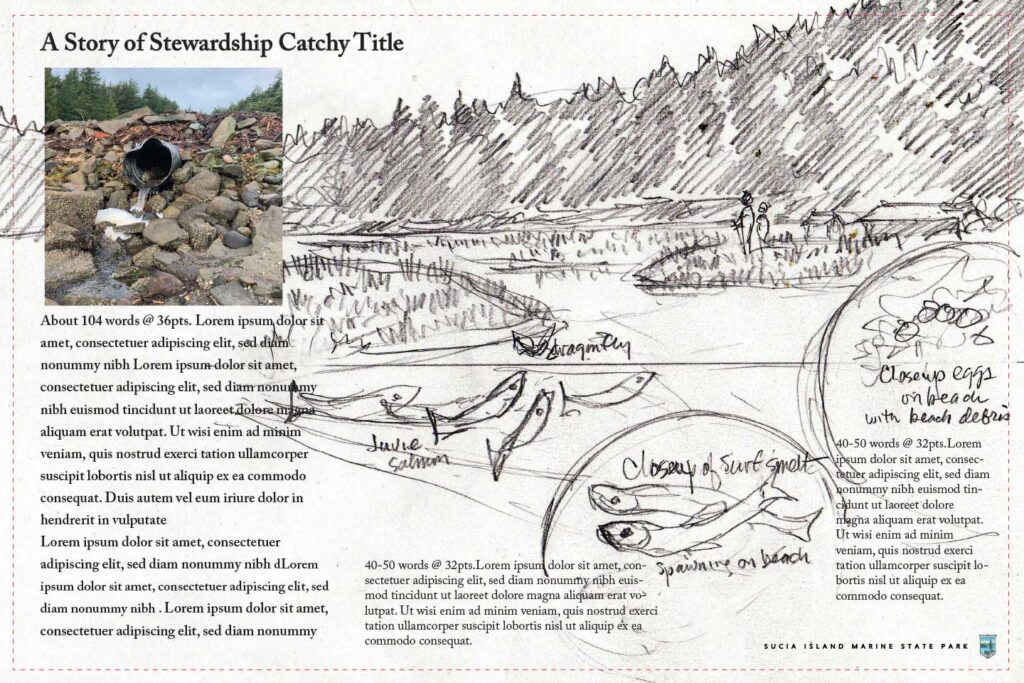
Here is the initial concept.

And here is the seventh version.

And below are the individual little paintings used to make this final composite.

Many Friends groups often use my final art for other uses. We put the art on posters, jigsaw puzzles, framed art they can use for fund-raising. Sorry to say, but obviously that can’t be the case with this one – but I thought the orca and salmon paintings were worthy of being stand-alone art.

I know lots of Northwest boaters read this blog since I also write a monthly page for 48 North, the Puget Sound boating magazine. Next time you’re anchored off Sucia Island, search out these two installations. They’ll be living their lives sitting beside Mud Bay. I will, too.

Thanks for reading this week. You can sign up for emails for these posts on my website at larryeifert.com.

Larry Eifert

Here’s my Facebook fan page. I post lots of other stuff there.

And Instagram is here.

Click here to go to our main website – with jigsaw puzzles, prints, interpretive portfolios and lots of other stuff.

Nancy’s web portfolio of stunning photography and paintings.

And here to go to Virginia Eifert’s website.
Sucia Island State Park wayside art

I’ve been busy with no time to post here – but now I’m back with some new stuff. I was commissioned to produce two outdoor free-standing installations on one of the most remote and remarkable islands in the Salish Sea, Sucia Island Marine State Park. This place holds great meaning and many memories for me – I’ve been here countless times. It’s along the US – Canadian boundary north of the San Juan Islands and it takes some time just to get there. There isn’t ferry service, only private boats come here – and maybe a giant barge for this project.

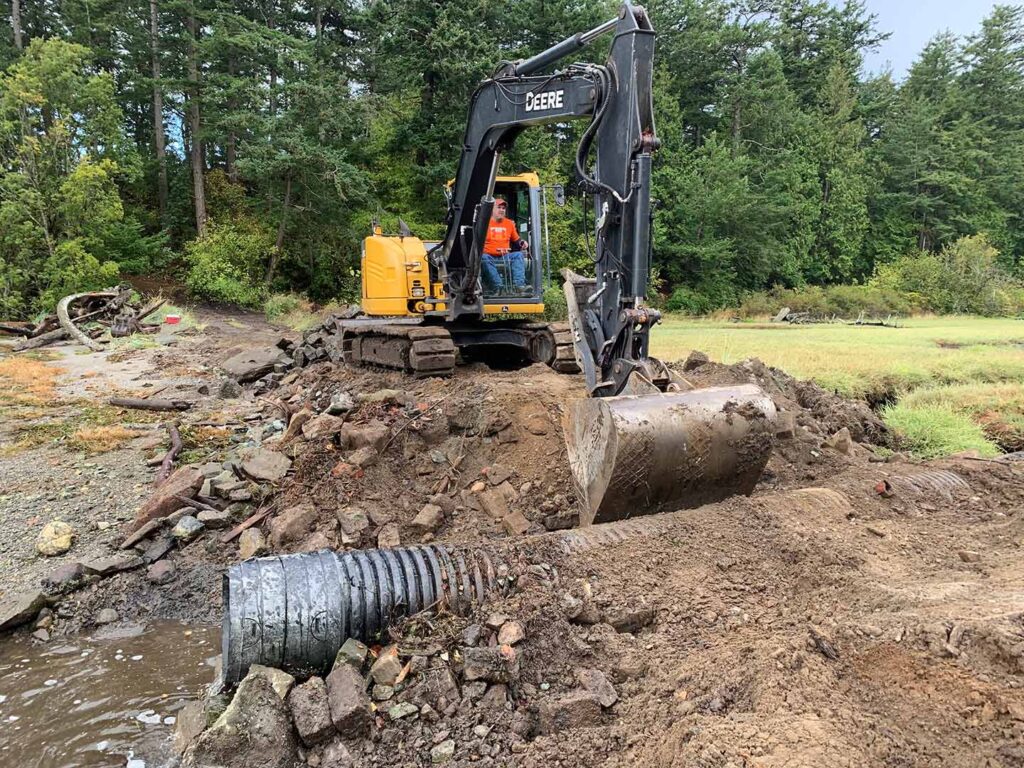
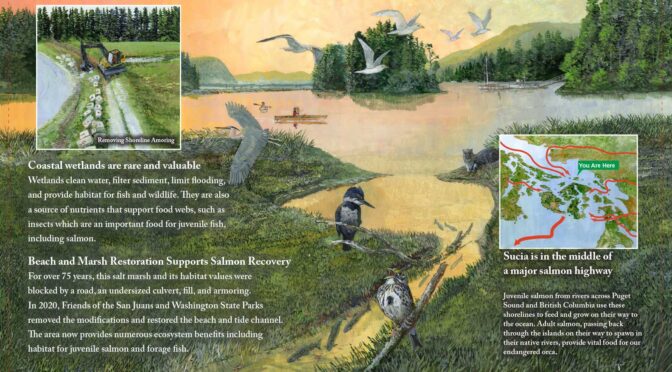
A small muddy bay once had a sand spit beach dividing off a productive and pristine salt marsh with the bay. Years ago, a road was built on the beach top and shoreline armoring with a culvert. This stopped salmon completely from entering the marsh at high tides, a good source of insect food.

With the direction of the Friends of the San Juans and many funders, they brought out heavy equipment on a barge and removed the culvert, cement armoring and put things right again. And, at the end, I got to paint it, twice. I’ll post the second panel soon.

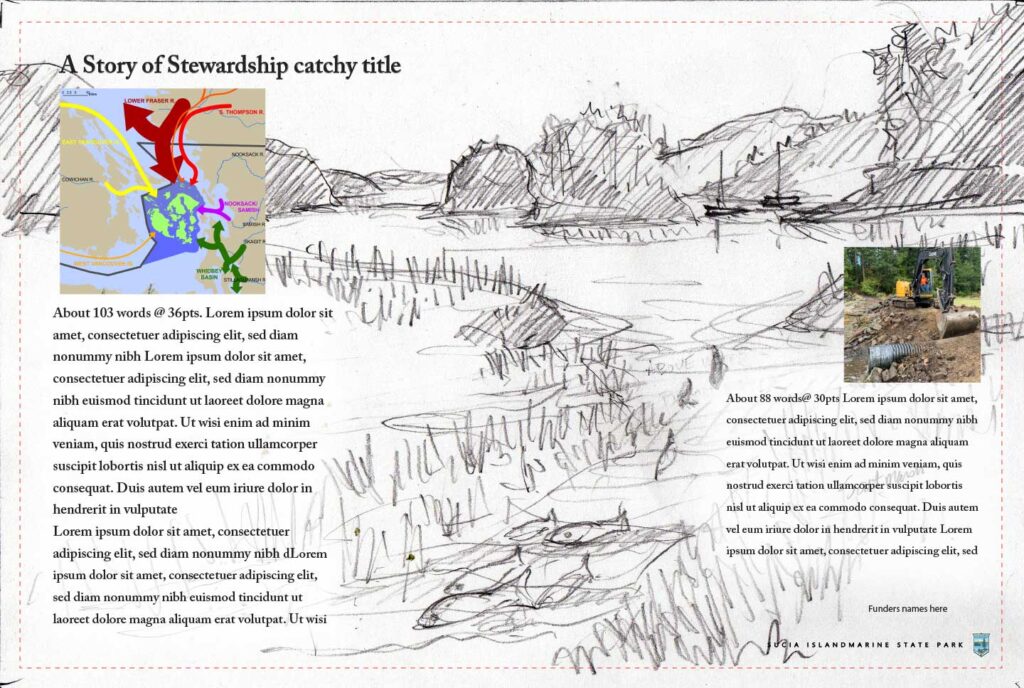
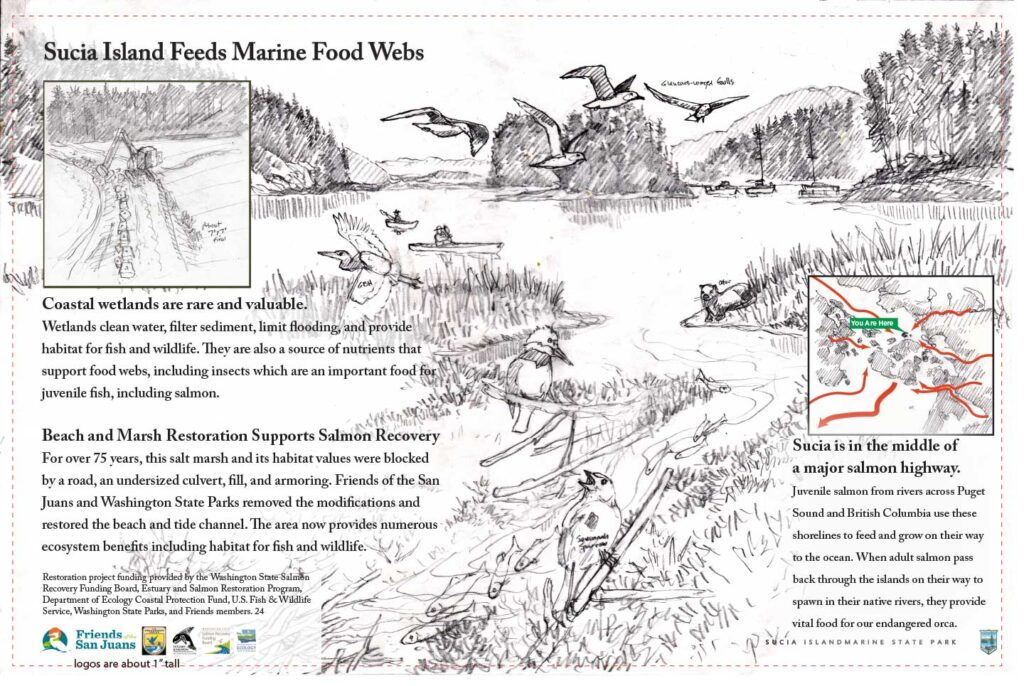
Here’s the original first draft sketch – pretty close to what the end result was, don’t you think?  And below is the final sketch version with text in place and a few things added.

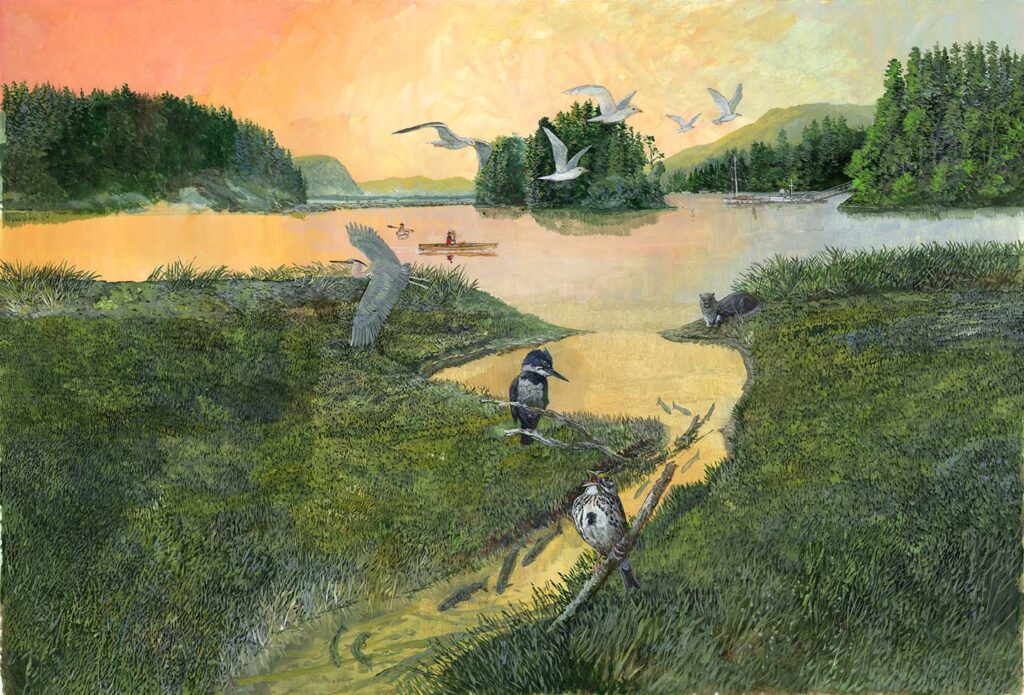
Below is the final art, ready to be put in the design. If this image looks serene, that’s the exact word I’d use for this ethereal place – maybe one of the very best in the Pacific Northwest.

So, doing this made  me remember the history I have here. Many paintings of mine were painted here. THREE boats of mine have been purchased, restored, countless hours spent making them run and be safe – and decades of time has been used to get me (as a painter of nature) to places like this. When Shannon and Tina requested a couple of boats in this painting to show human interaction here, I realized I could put my own experiences in the painting.

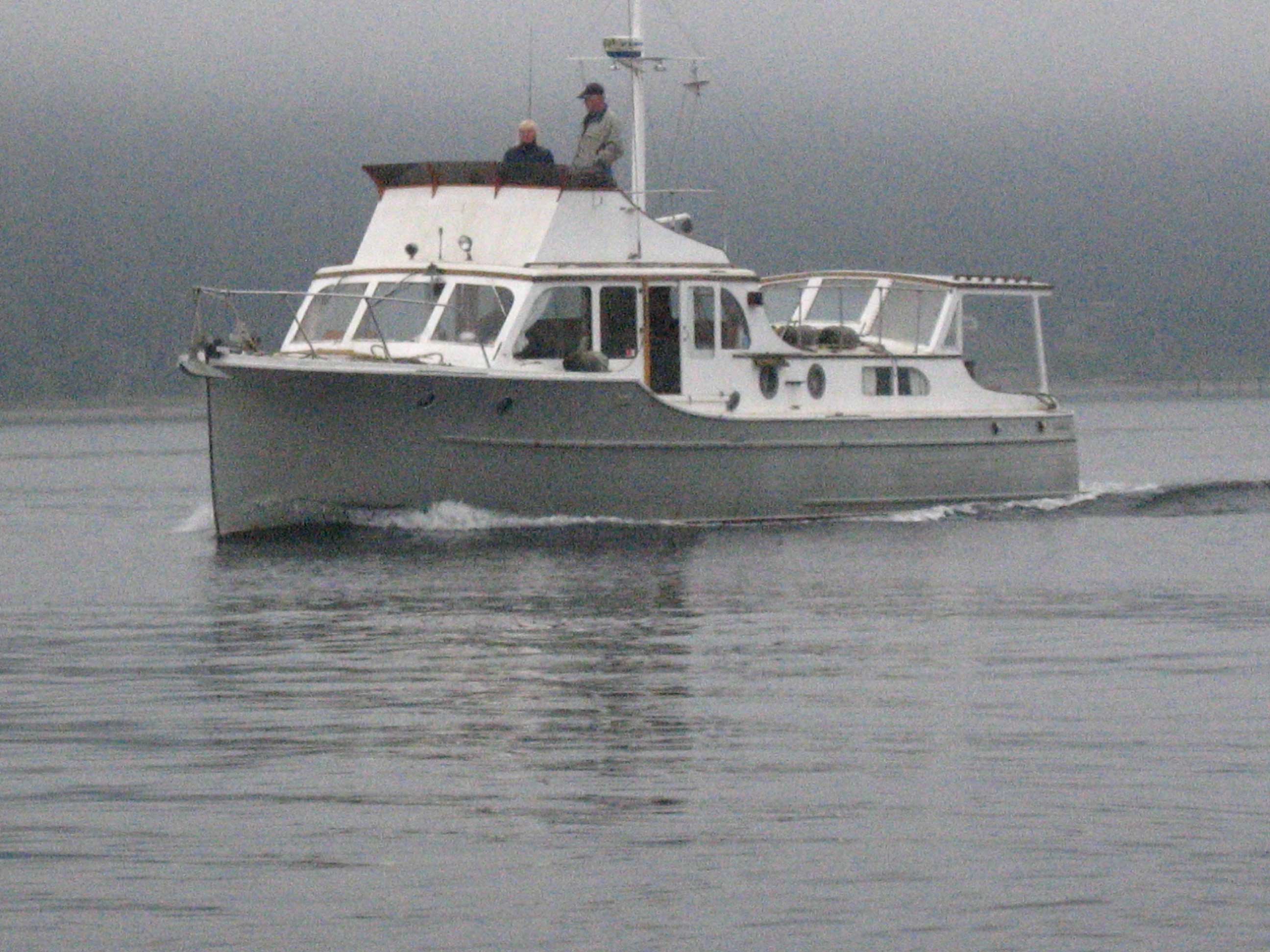
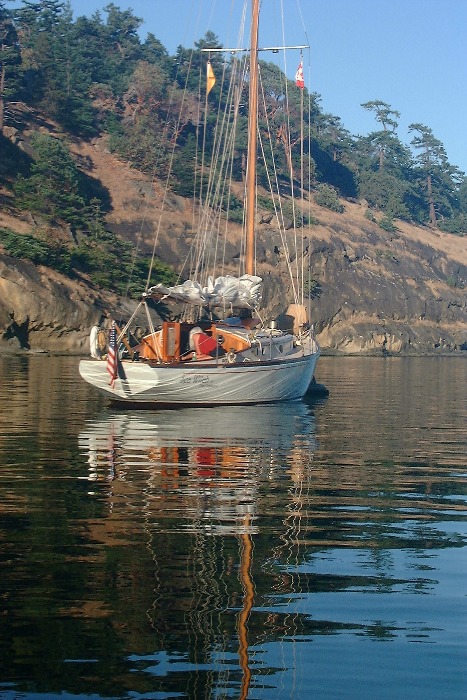
So, classic wooden boat memories, all of them, here is “October” in the 1980’s. Then “Rumpuckarori” in the 1990’s. And finally “Sea Witch” in the 2000’s.

This image of Sea Witch, below, was actually taken at anchor right here in Snoring Bay, straight out front in the painting. These three boats undoubtedly helped make me the painter and person I am today. “October” got me to Alaska the first time, and another not shown got me to Mexico. Nancy and I lived aboard “Rumpy” during some of the best times for both of us, and there Nancy is in the cockpit of “Sea Witch”, below.

Thanks to Tina and Shannon from the help in making these paintings interesting and fun memories for me.

If you’re reading this on social media, I, Larry Eifert, paints and sails the Pacific Northwest from Port Townsend. My large-scale murals can be seen in many national parks across America, and at larryeifert.com.

Thanks for reading this week. You can sign up for emails for these posts on my website at larryeifert.com.

Larry Eifert

Here’s my Facebook fan page. I post lots of other stuff there.

And Instagram is here.

Click here to go to our main website – with jigsaw puzzles, prints, interpretive portfolios and lots of other stuff.

Nancy’s web portfolio of stunning photography and paintings.

And here to go to Virginia Eifert’s website.
Dugualla Flats Preserve

Just finishing up two new paintings for outdoor wayside exhibits at Whitbey Island’s Dugualla Bay Preserve.  This is another project for the Whidbey Camano Island Land Trust and, as always, it was a pleasure to paint for them.

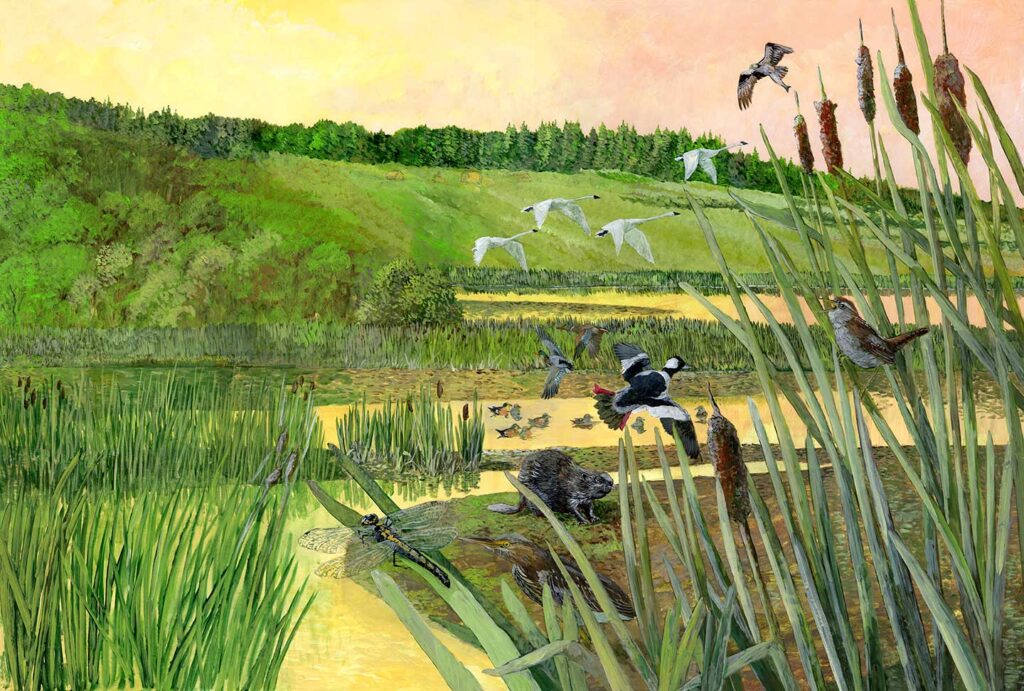
This recently restored wetland is on both sides of a dike road a few miles north of Oak Bay. One side is fresh water, the other is a salt marsh salmon habitat area. First it was bay, then farmland with nature shut out. Now it’s back to nature. The bay side is very good forage fish and salmon habitat.

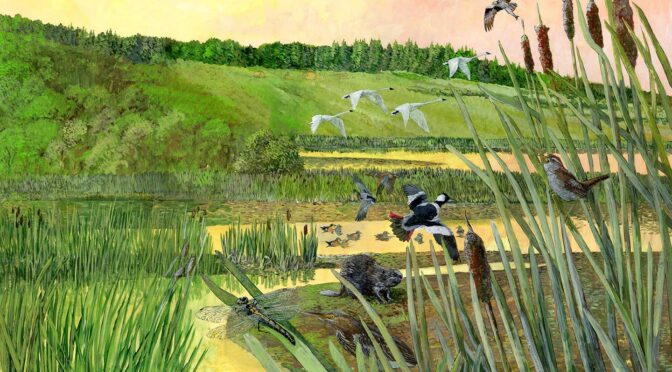
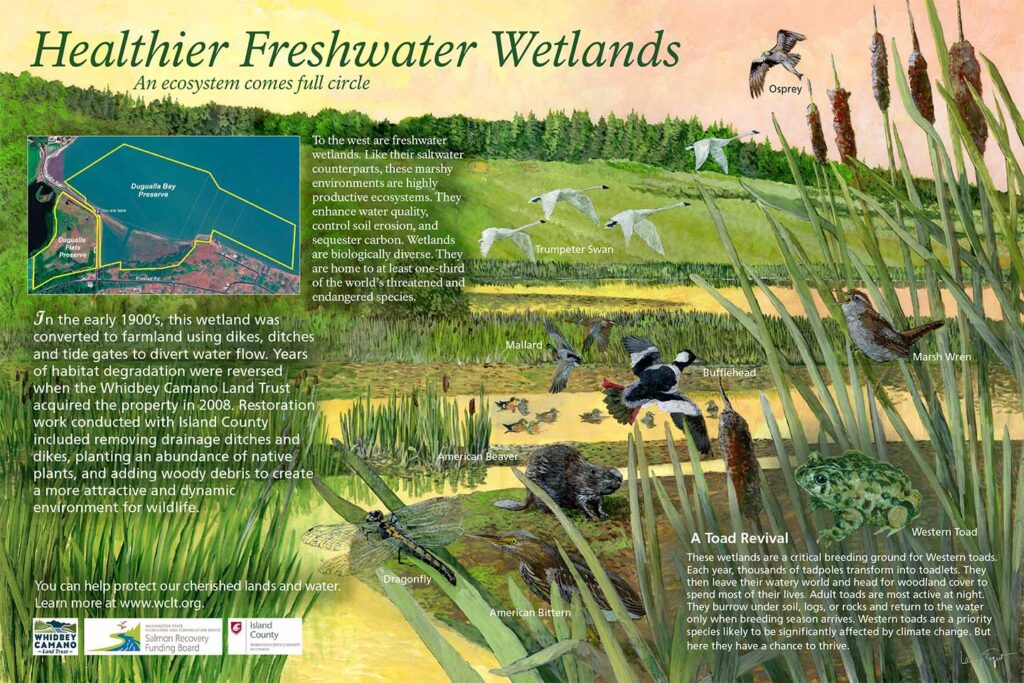
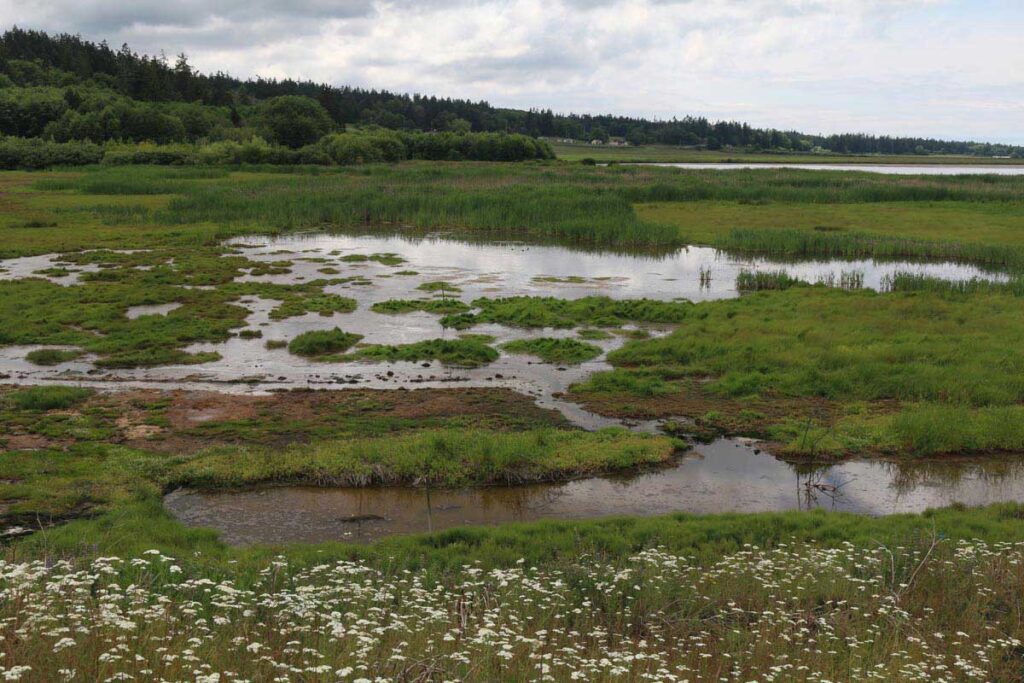
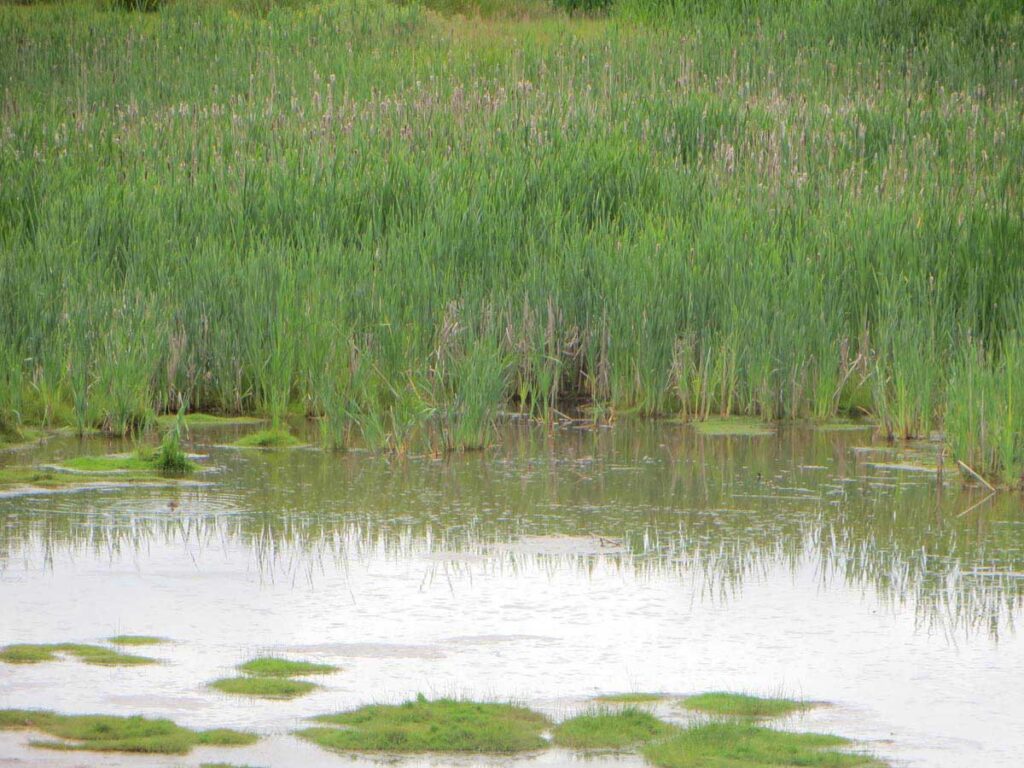
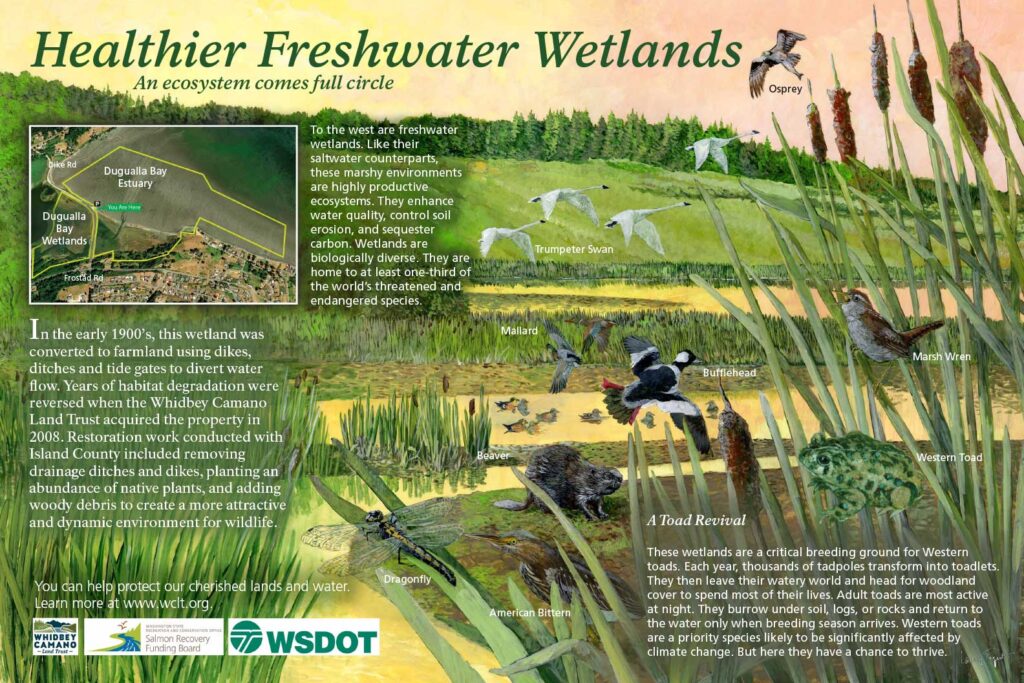
This first painting is the freshwater side, a rich habitat of cattails and critters from western toads to trumpeter swan – and I can’t say I’ve ever painted THOSE two in one painting before! The wetlands have water levels that rise and fall with the seasons and on a site visit a few months ago I took some reference shots, not very good as you can see, but somehow I built an interesting painting with what I had.

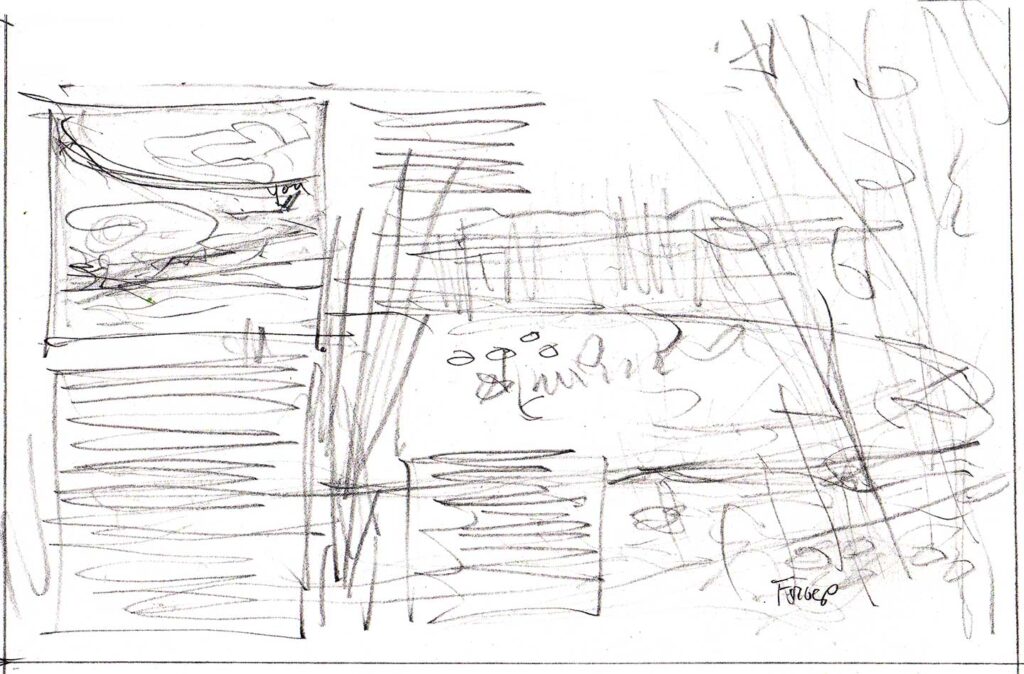
I started with a quick gesture drawing, a concept sketch showing cattails on the right, map and text on the left, maybe wildlife in the center. It’s sort of amazing to me that the final painting was very close to this.

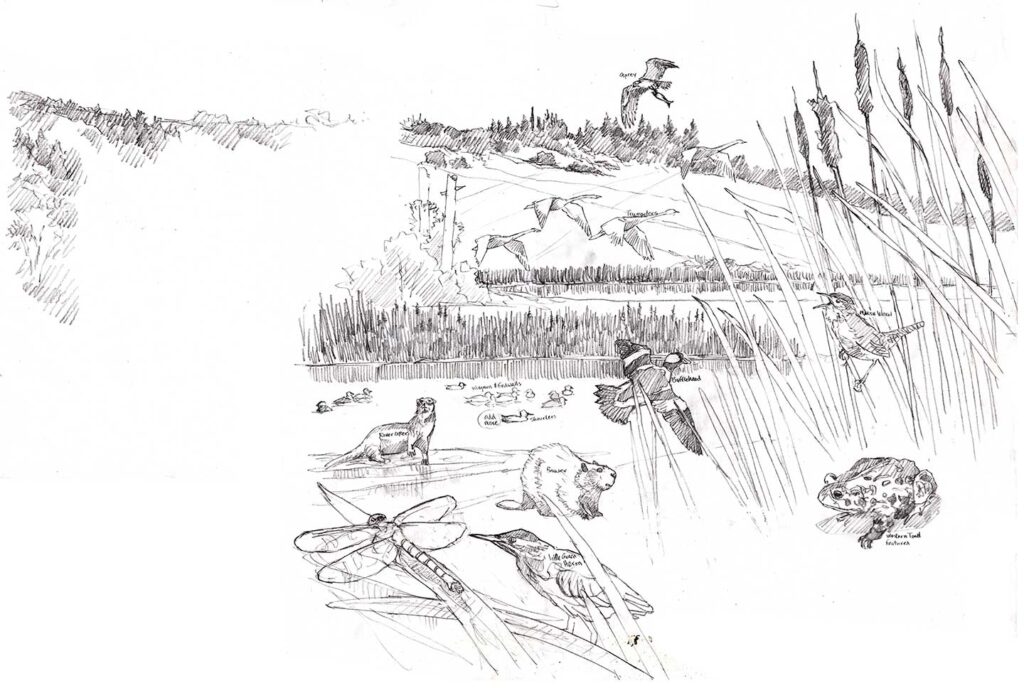
Then a more refined drawing came with a better understanding how the wildlife fits in, getting their sizes and spatial separations set for a good piece of art. The toad couldn’t be down with the rest of them in the marsh since they’re up in the drier meadows, so I just floated it in midair – a toady blimp.

And this is how the final painting looks. Click on it to enlarge in your browser. These things are certainly not just a nice painting like my days of gallery painting. It takes a bunch of planning to get the other components to all fit.

It all came together with the text, a map I did in Illustrator using the National Park Service’s map software – and the text the Land Trust supplied me. Very skilled efforts go into doing text for these panels and these are really well written. Too many words it becomes a ‘book on a stick’ and no one reads it. Too few words and no one learns anything. And this type of art is all about learning something – which I hope you did with this blog. I hope you liked it.

Thanks for reading this week.

Larry Eifert

Here’s my Facebook fan page. I post lots of other stuff there.

Click here to go to our main website – with jigsaw puzzles, prints, interpretive portfolios and lots of other stuff.

Nancy’s web portfolio of stunning photography and paintings

And here to go to Virginia Eifert’s website.
Smith Island Estuary painting

All these images should enlarge in our browser, so please click to see the details.

Making Art – Part of Salmon Restoration

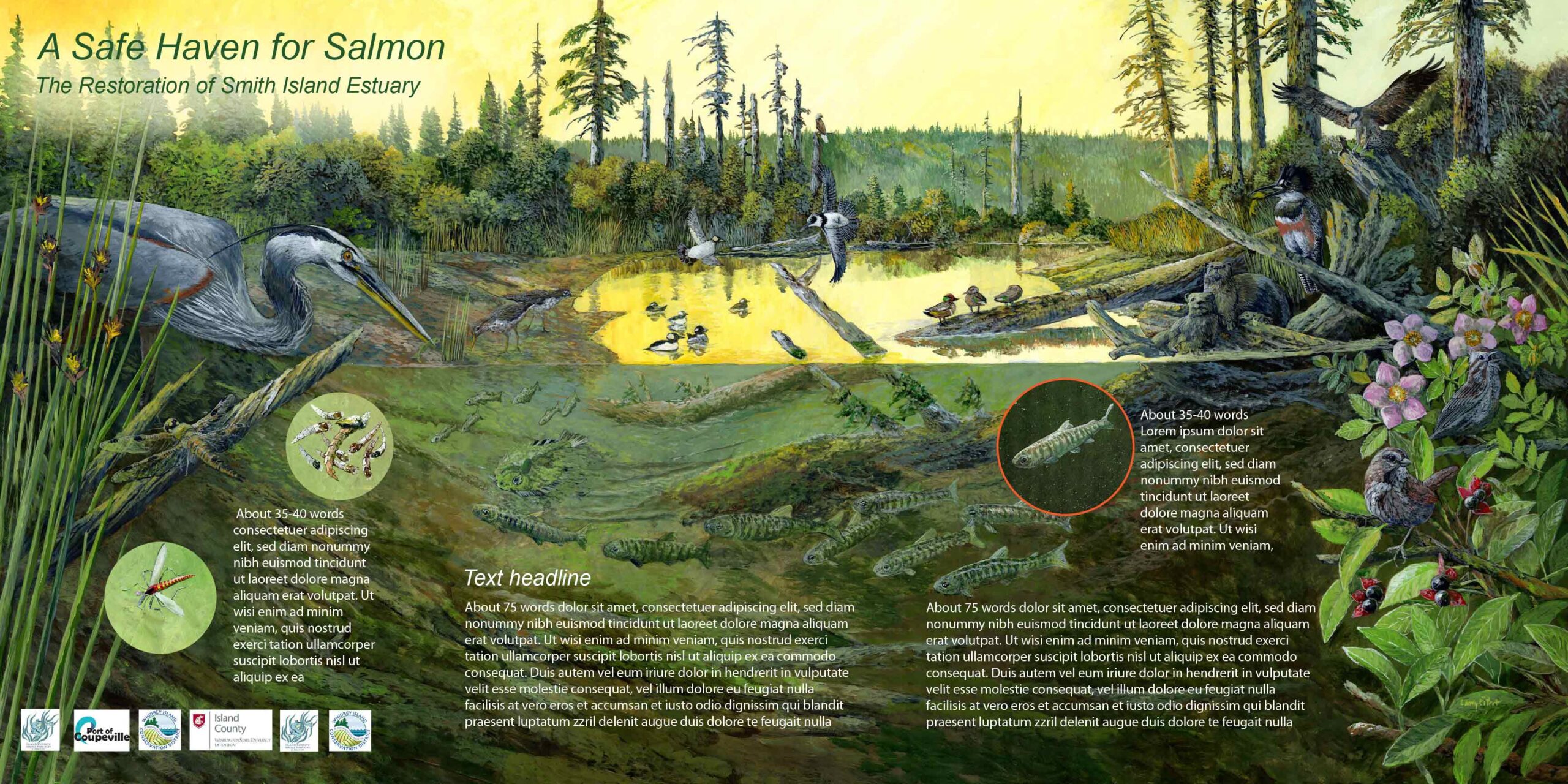
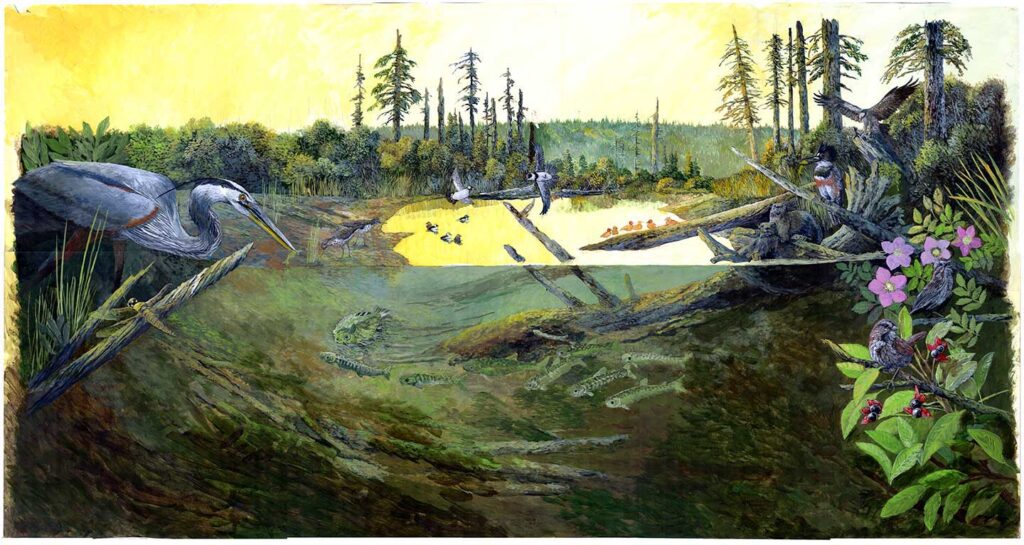
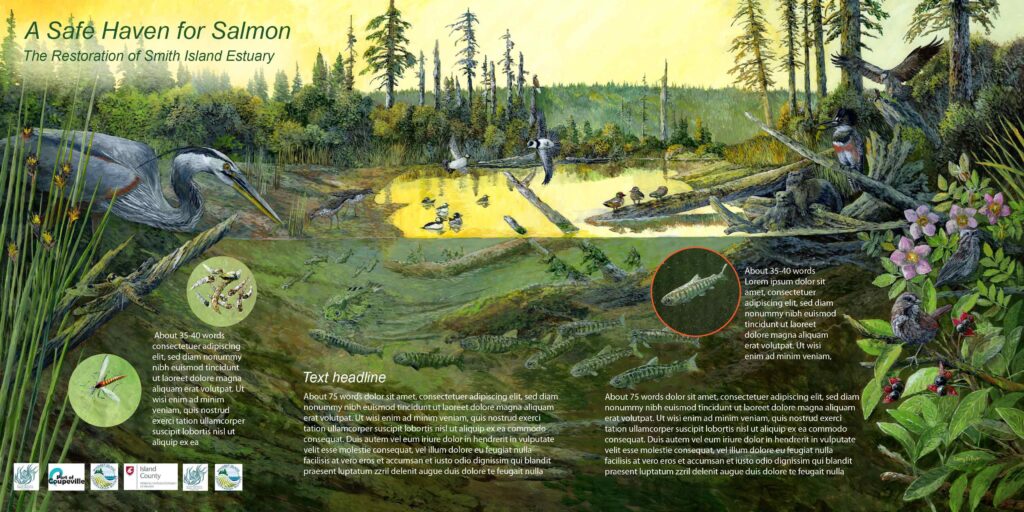
While the words are only in placeholder form, I wanted to show off this new painting. It’s going to be installed as a public wayside exhibit at the Smith Island Restoration Project on the Snohomish River Estuary, north of Seattle. This project has been going of for years, heavy equipment removing old dikes, building others and generally restoring a vast area of junk yards and farmlands to wetlands so that it becomes salmon habitat. It cost over a billion dollars and I’m proud to have been involved in a tiny way with my painting.

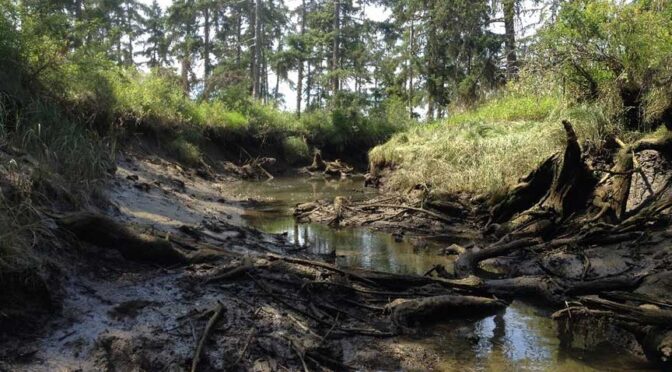
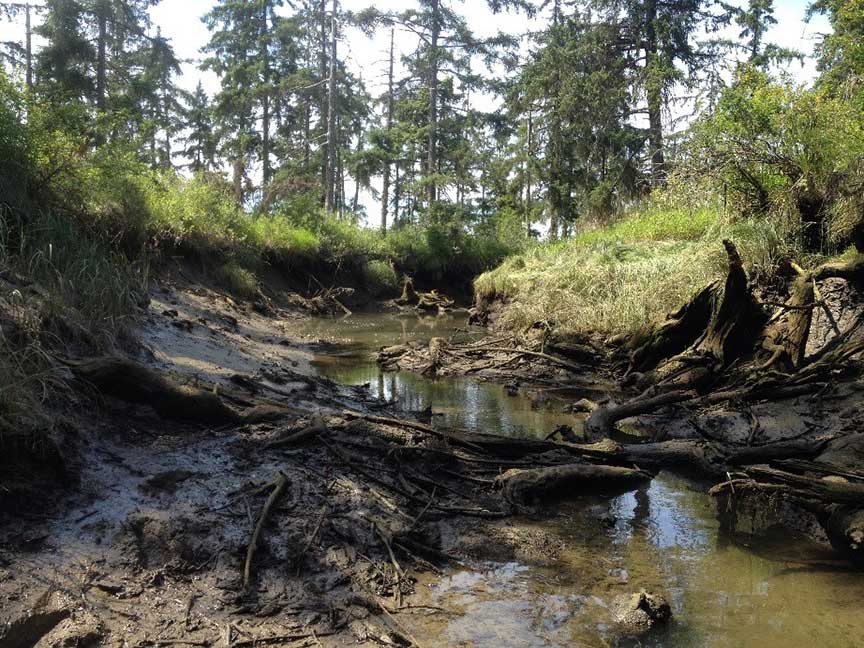
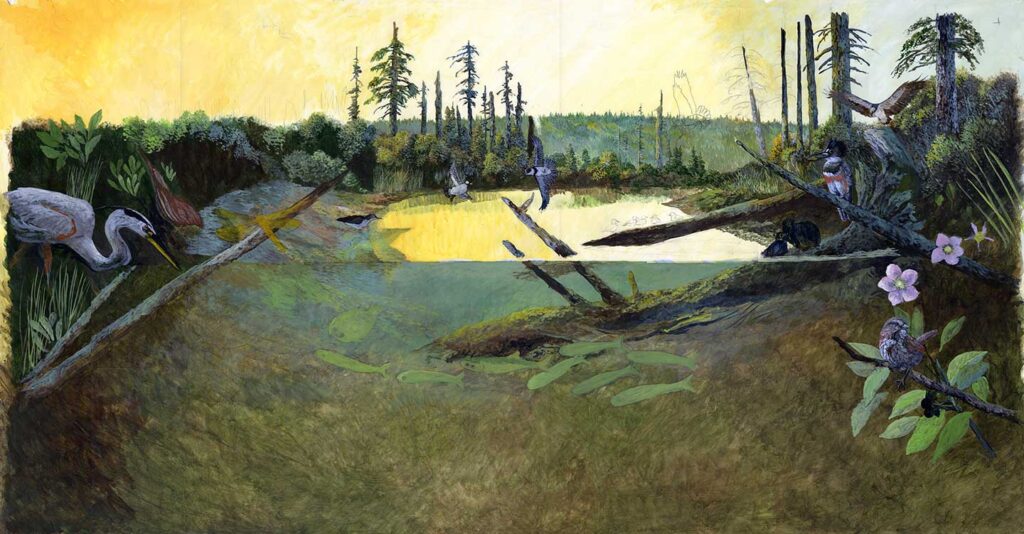
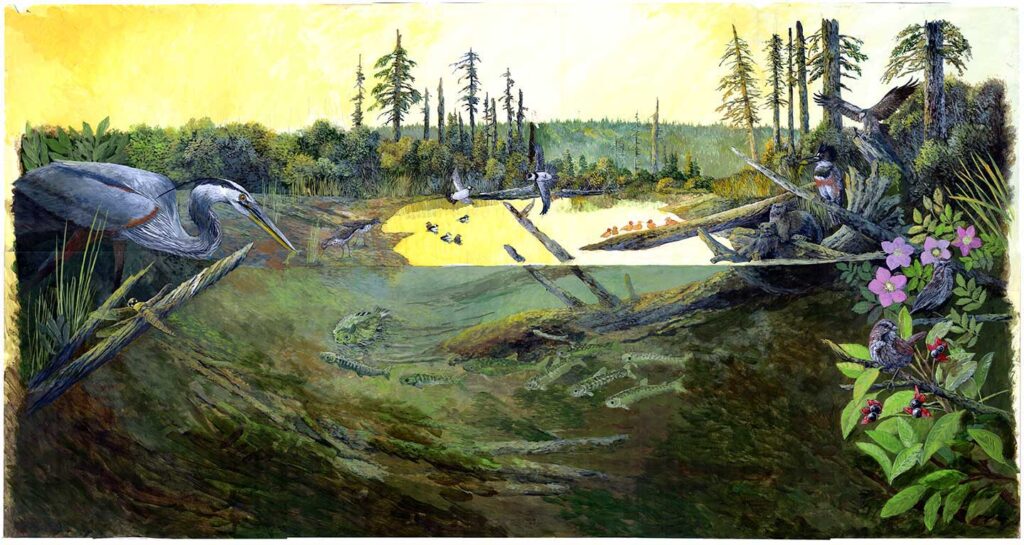
Here’s how it started on this painting. I had photo references that showed me how it looks at low tide. They gave me much latitude on my design and how it looks and feels, so I made it more of a dramatic sunset image. Below is how a corner of the place actually looks, a brackish slough, perfect for young salmon. I made some basic sketches and just started painting. I imagined a mid-tide level so I could show the fish.

Smith Island Slough

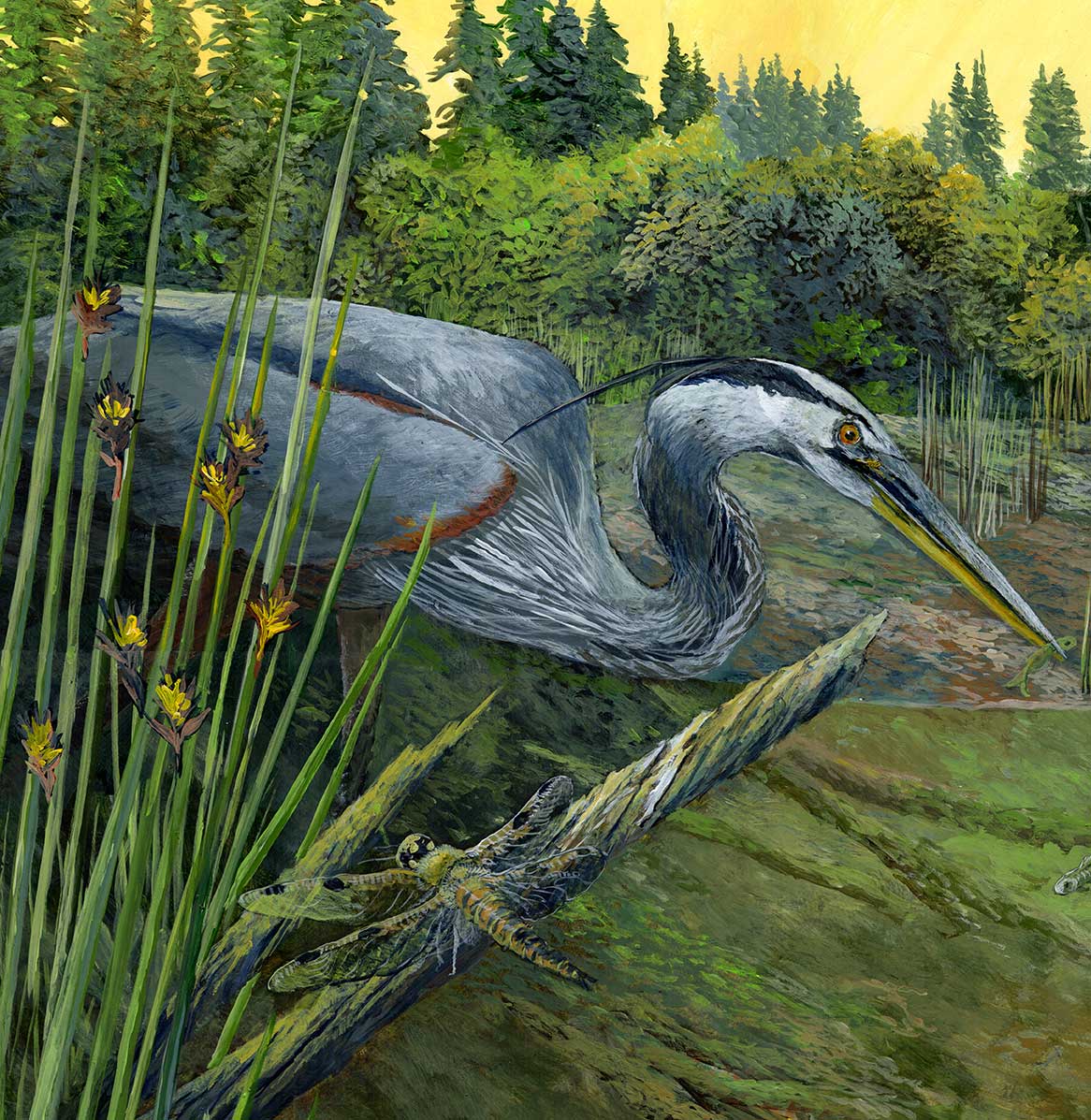
You’ll notice the great-blue heron on the left suddenly got bigger as it gained a more important place in the story.

Closeup scans of the left and right sides show the level of detail.

Below, I’m closing in on the final painting before I added the insets and text blocks.

The final installation will be 48″ x 24″. I pleased that people will be looking at this for decades as the place grows into itself again. A few years ago it was a landscape that’s unrecognizable now. I remember part of it was a junkyard and tire dump that caught fire awhile ago, burning for weeks. I could see the smoke miles away. The absolutely lowest level of what we can do to wreck a natural place – it’s no wonder salmon are in trouble. Now, there are salmon and herons, kingfishers and Nootka roses in bloom (or soon will be).

Thanks for this commission go to Snohomish County, WA and Gretchen Glaub who worked with me to make it happen.

Thanks for reading this week. You can sign up for emails for these posts on my website at larryeifert.com, down the right side of the home page.

Larry Eifert

Here’s my Facebook fan page. I post lots of other stuff there.

And Instagram is here.

Click here to go to our main website – with jigsaw puzzles, prints, interpretive portfolios and lots of other stuff.

Nancy’s web portfolio of stunning photography and paintings

And here to go to Virginia Eifert’s website.
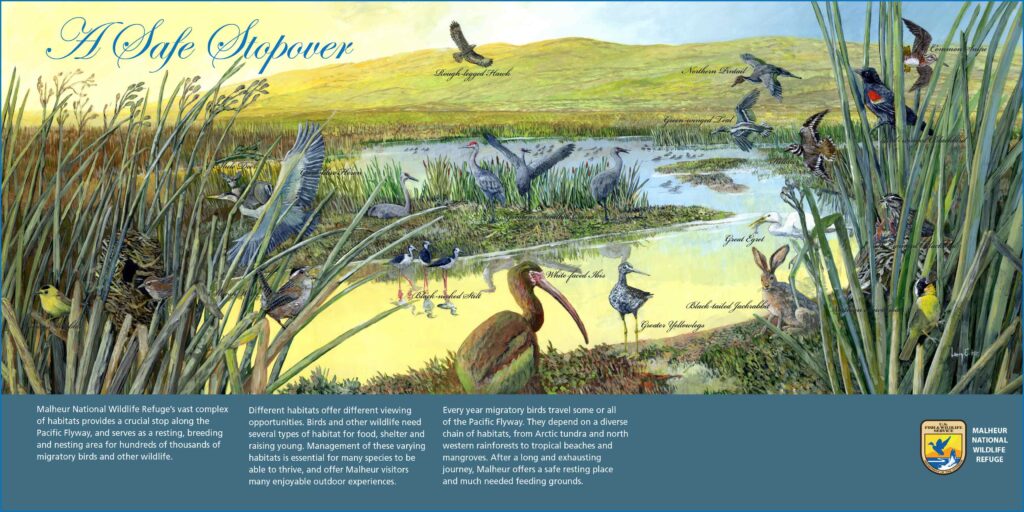
Malheur Refuge Wildlife Painting

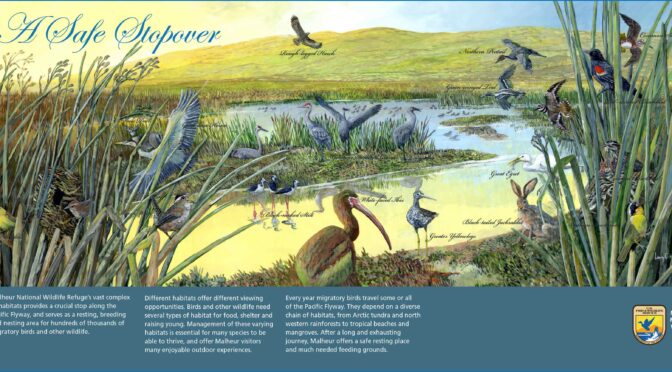
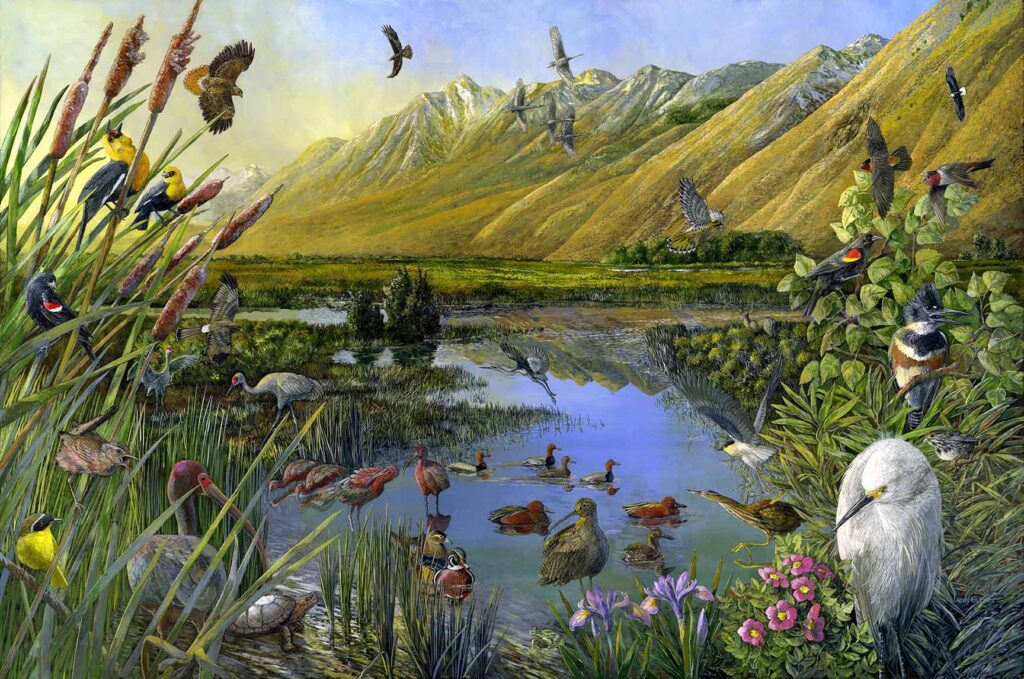
This is another painting I did for Malheur National Wildlife Refuge in eastern Oregon – remember the hostile take-over by the Bundy Clan? This was that place!

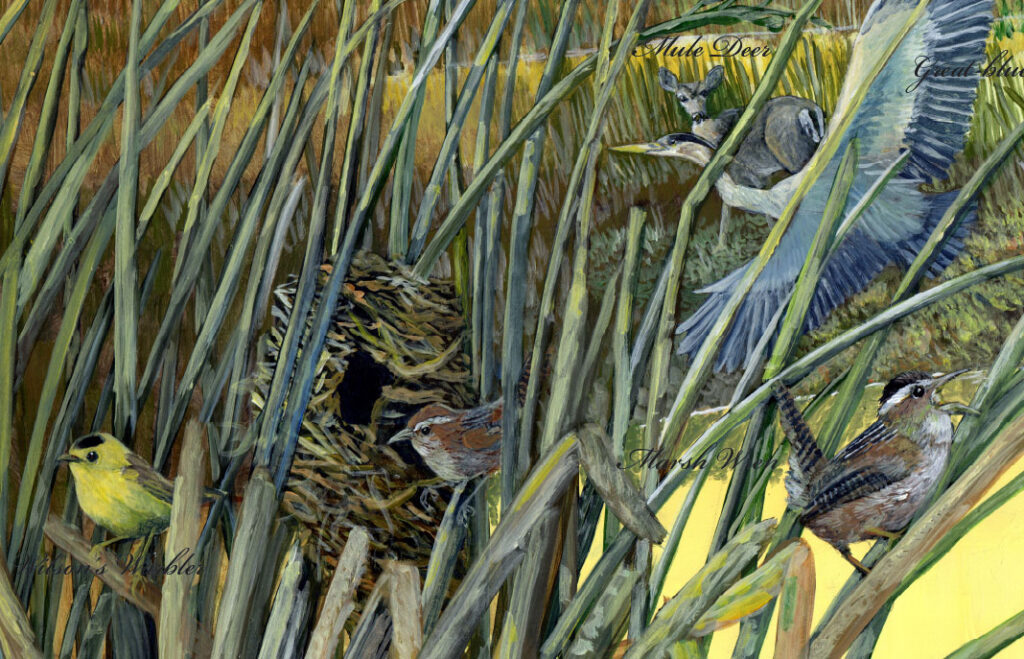
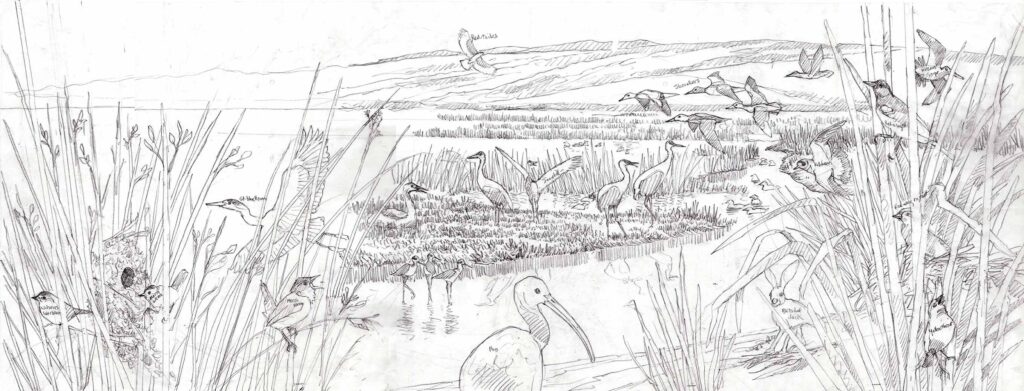
I was given some nice leeway on these efforts, so I could add some mental candy, a soft sunset coming to mind here. They were fun paintings to do, because I just plan likw painting wildlife. Below is a detailed version of a section.

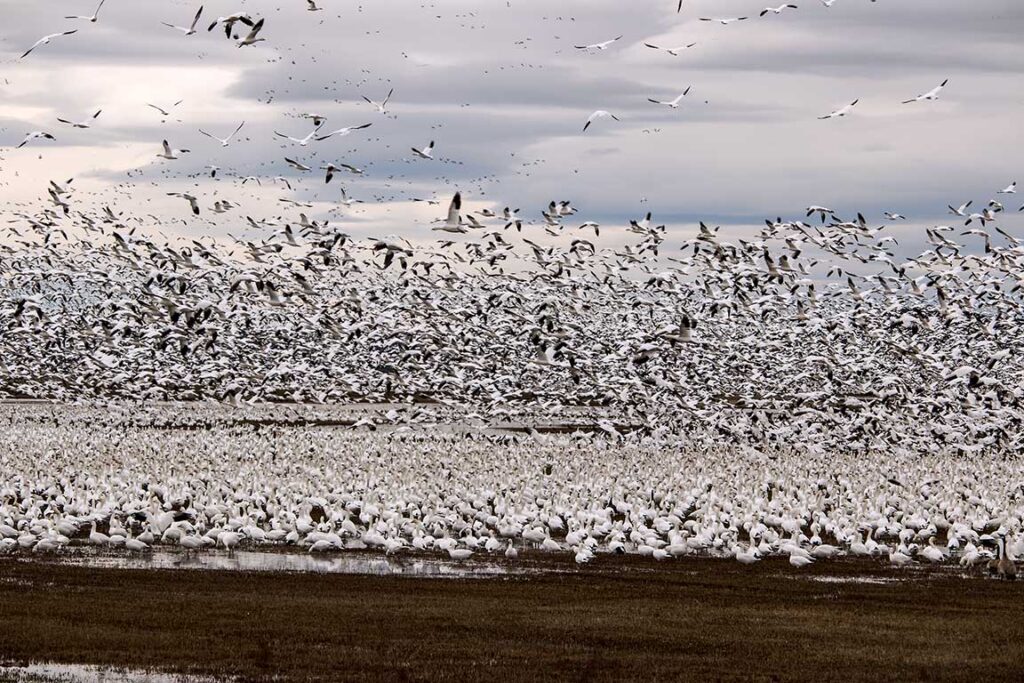
It can get very crowded at Malheur, as you can see below. This is one of Nancy’s photos, an amazing mass of wildlife that proves, yes, you still CAN see this sort of thing in America, but only if we pay taxes to keep it this way. Want to see this? Go to Malheur in March or April, get a room in the one-and-only decent motel – and go geese watching. You won’t forget it easily. By the way, these birds are ALL talking while they’re doing this!

Below is the reference painting I worked from, certainly not copying it, but just a ‘feeling’ reference. I did this one for The Nature Conservancy a couple of years ago at the Carson River Project in Nevada. I always liked the softness of this landscape, backed up against the High Sierra. Lake Tahoe is just over the ridge. I think the painting holds together nicely.

And below is the original refined sketch, after the rough concept drawing. This is the step before painting begins, and while it’s certainly not like the final, it comes close enough to call it good at this stage.

I’m going to be expanding this blog in the next few weeks, adding more art from my partner in crime, Nancy Cherry Eifert, and essays on hiking and seeking wilderness. This blog seems to be growing into something bigger than just art and it’s evolving. So I should too.

Thanks for reading this week.

Larry Eifert

Here’s my Facebook fan page. I post lots of other stuff there.

And Instagram is here.

Click here to go to our main website – with jigsaw puzzles, prints, interpretive portfolios and lots of other stuff.

Nancy’s web portfolio of stunning photography and paintings

And here to go to Virginia Eifert’s website.
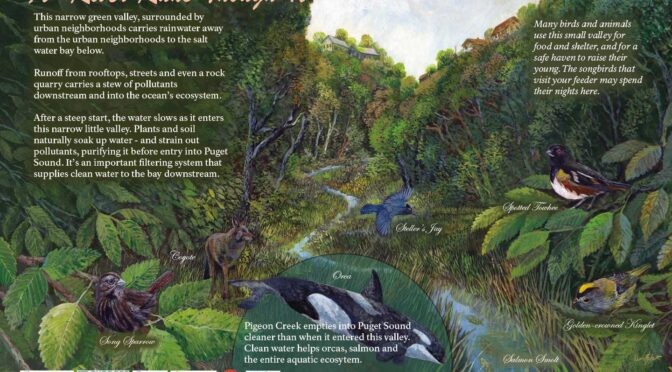
Art for Orcas – A Trail for the Mind

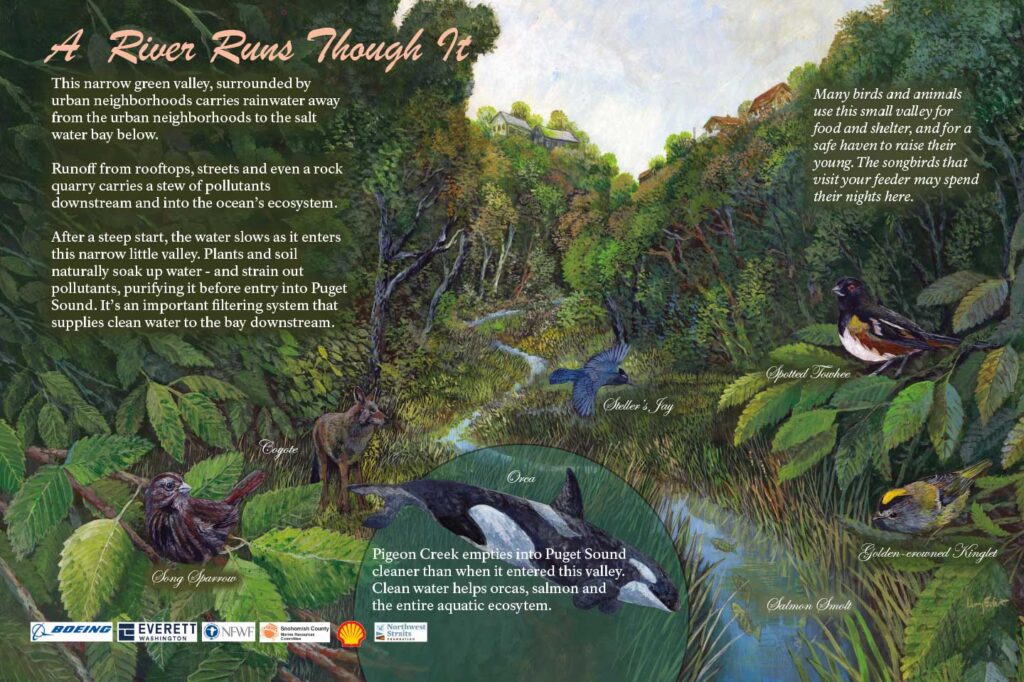
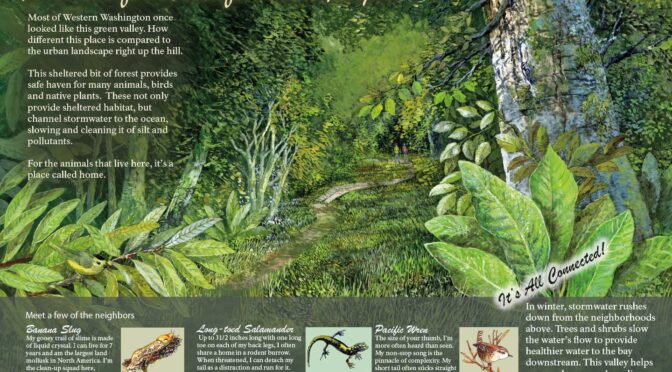
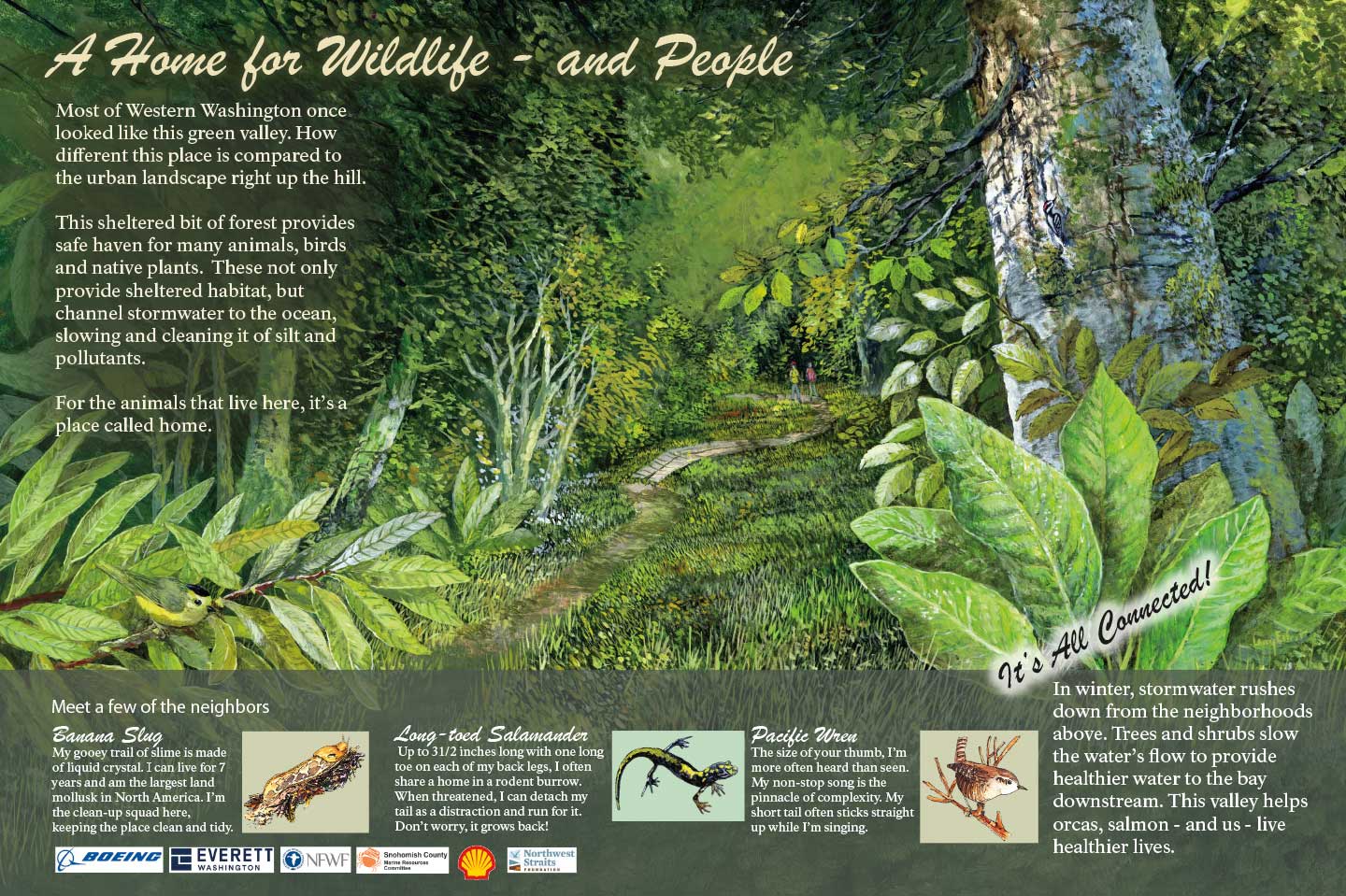
A second painting of the current five, funded by the Orca Recovery Plan for Washington State. This one is about the same watershed in Everett, WA as the last painting, but focuses on the way this little forest cleaned the water that runs through it. Just a 100 yards west from this location, the creek flows into Puget Sound, cleaner than when it was up in the urban city above it. Clean water helps orcas, salmon and the entire ecosystem, the the forest does this naturally, no help from us except to leave it alone.

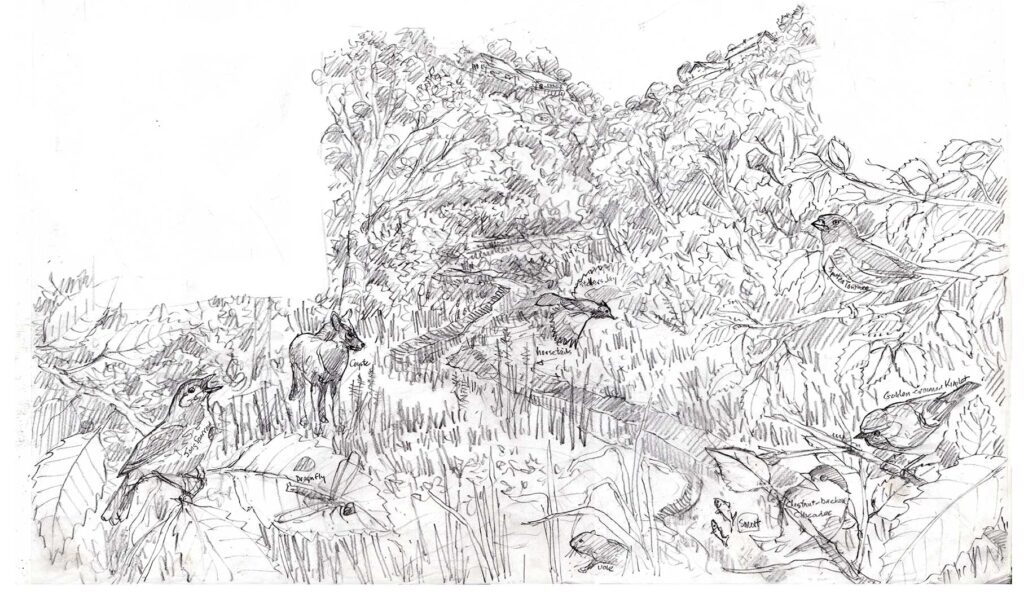
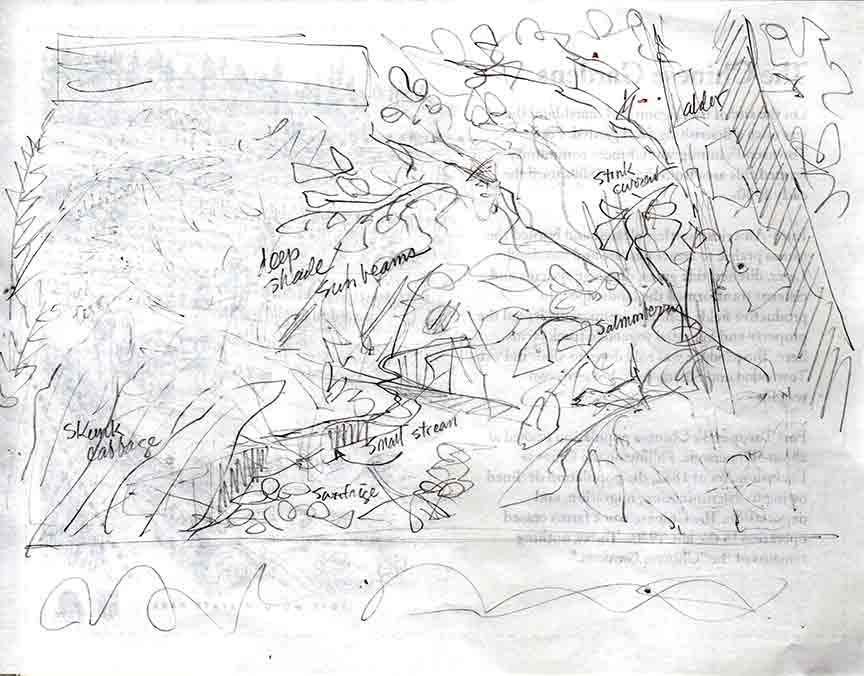
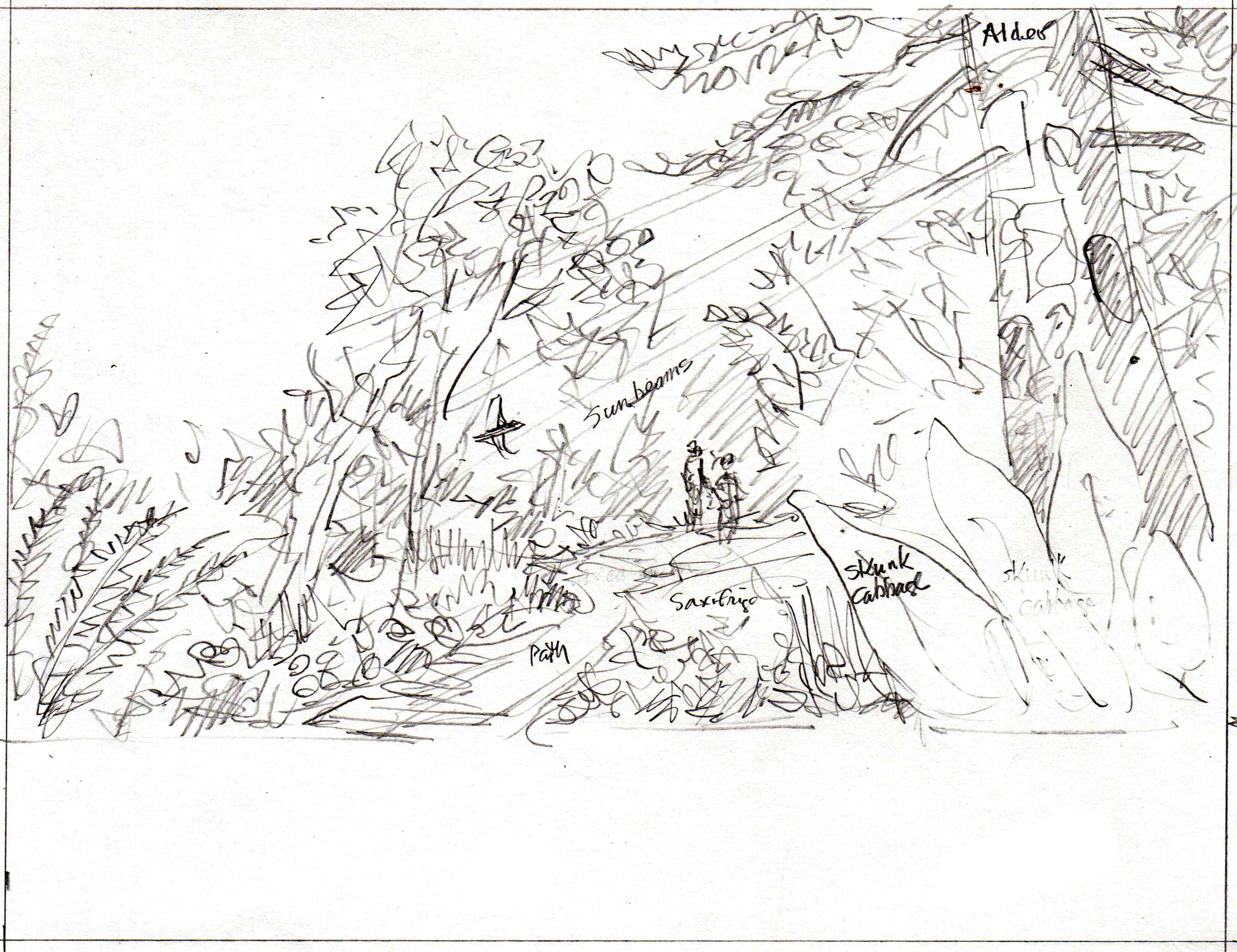
And here’s the initial sketch, showing some of the areas where text will go. It’s simply a way to get started. I’ll show you the other three soon.

Change of pace: Fall  hiking and finding wildness.

While painting is my passion, so is hiking wild places. Always has been, all the way back to when I had to hold someone else’s hand to stay upright. So, that’s 70 years of looking for wild nature, and it’s still as important as it’s always been for my life, spirituality and sense of being who I am. We hiked a 5-mile out and back yesterday and returned feeling refreshed and with memories that stayed with me through the night – and right here on this page.

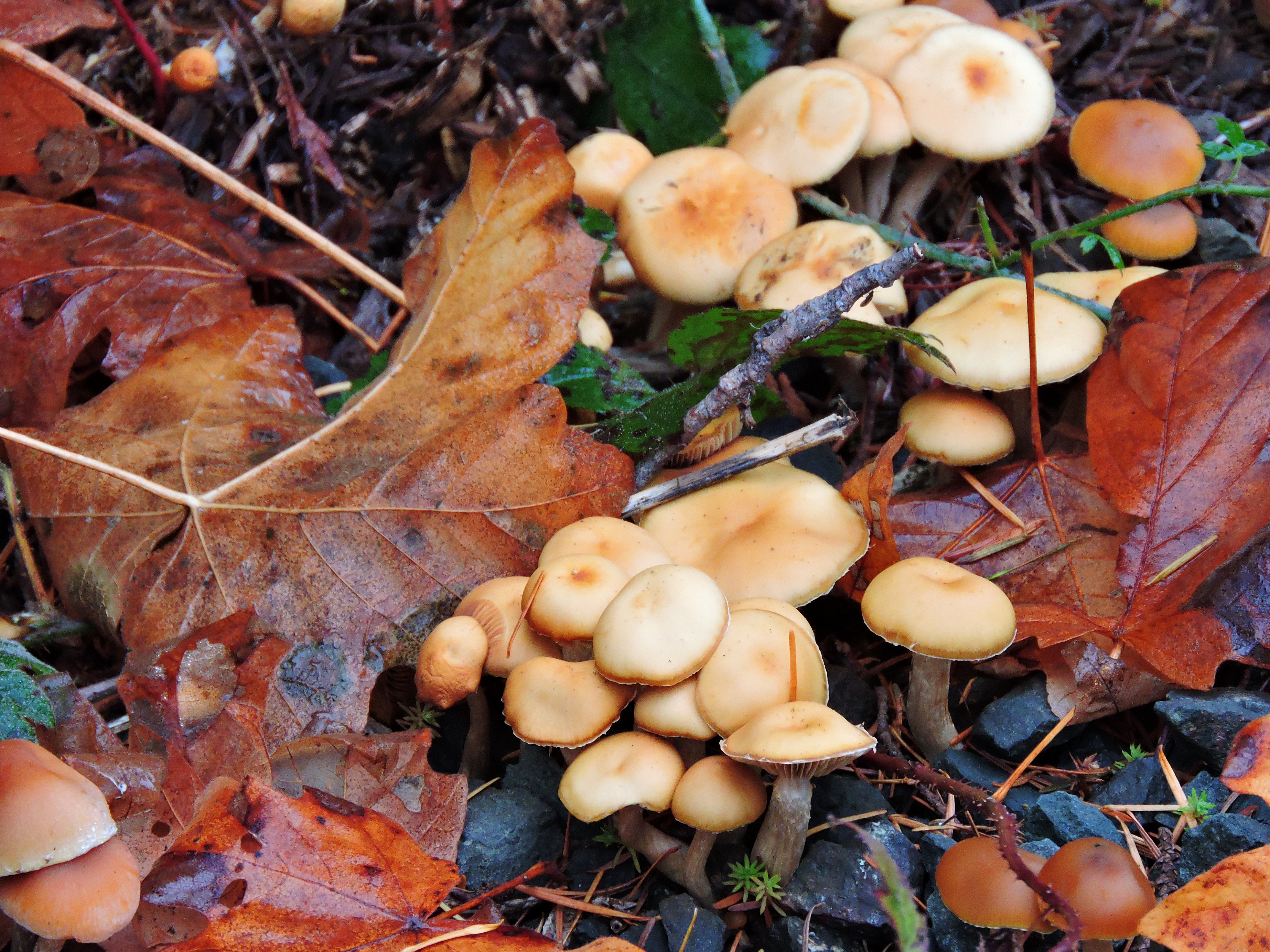
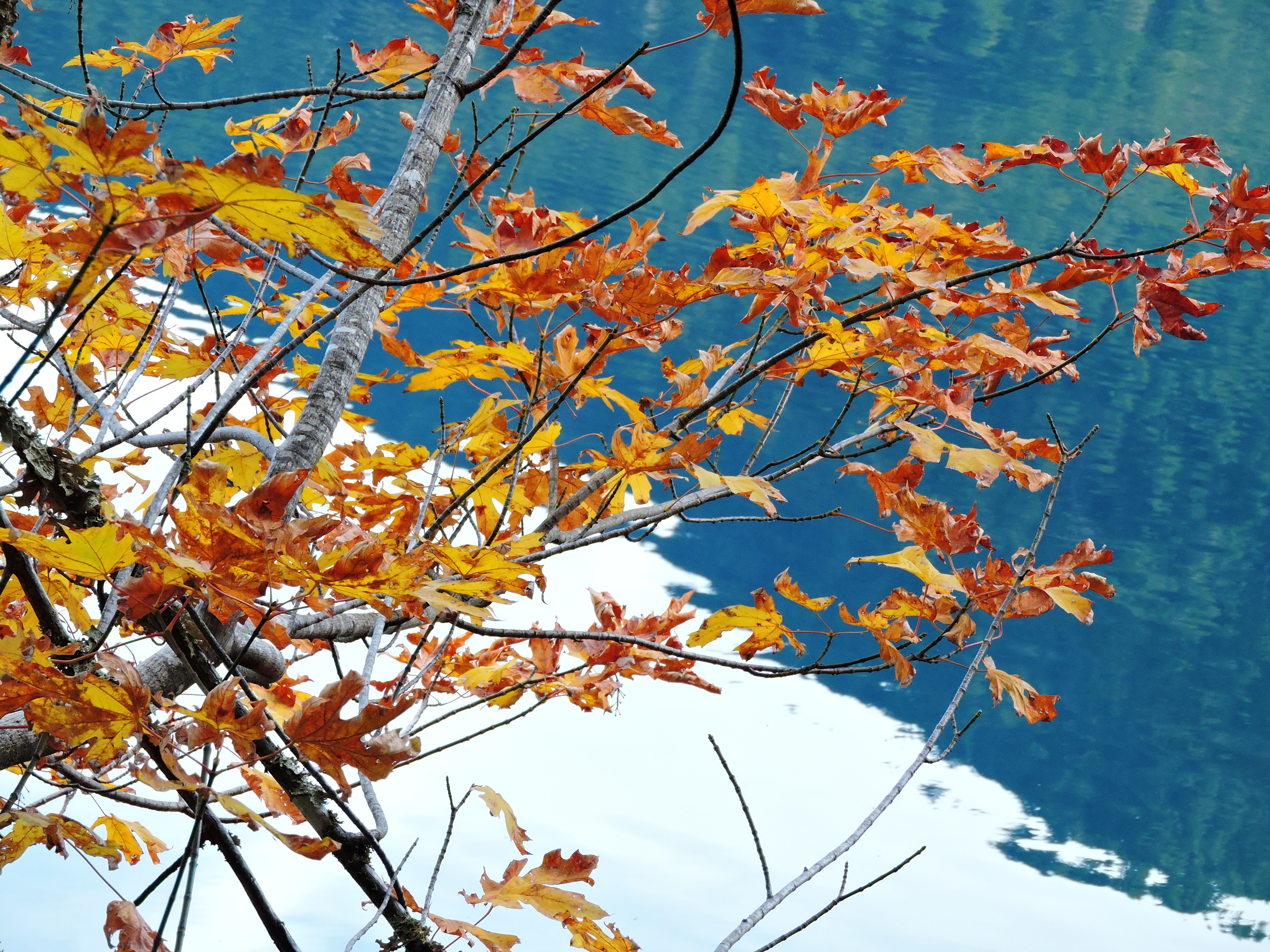
This collection of big-leaf maple leaves and probably one of the Psilocybe mushrooms is, for me, what a wild place is all about. It doesn’t have to be way out there (but that helps), alpine scree or giant mountains, but it’s more about finding places that haven’t been recently altered by humans. Just a small place will do, where leaves and the fall crop of fungi can make the place very special for me.

I may be in my 70’s, but these places just don’t get stale, don’t loose their thrill of absorbing the peace and well-being that nature brings. I’d like it very much if this short little essay resulted in a few more people out there, but if the trail is lonely, so much the better for us!

Thanks for reading this week.

Larry Eifert

Here’s my Facebook fan page. I post lots of other stuff there.

And Instagram is here.

Click here to go to our main website – with jigsaw puzzles, prints, interpretive portfolios and lots of other stuff.

Nancy’s web portfolio of stunning photography and paintings

And here to go to Virginia Eifert’s website.
Orca Recovery – Pigeon Creek

I’m now painting a bunch of art for 5 new wayside panels to be installed around  Puget Sound. Recently, Washington State decided to help the remaining 80-some iconic Southern Pod in a big way, and a tiny part of that effort is going to me for some wayside panel art for outreach at some of the locations. Rain gardens and stream restoration – and my art telling about it. I’m happy and proud to be involved.

The Southern Resident orcas – or killer whales, are a large extended family, actually a clan, comprised of three pods hereabouts. Within each pod, families form into sub-pods centered around older females, usually grandmothers or great-grandmothers – I like this structuring a lot – we could learn a few things here. They live in Puget Sound and the Salish Sea in Washington State and British Columbia and primarily eat salmon, that are also in dire straits. I’m not new to painting orca or salmon as I just finished a bunch of others at Lime Kiln Point in the San Juan Islands, so this was an easy transition.

Above is the first panel almost finished. Pigeon Creek is in Everett, Washington and the water comes from urban neighborhoods and flows down into this green lush valley where the forest slows and purifies the water before it hits the bay. People think it’s just a place to walk their dogs, but this shows it’s more, a strainer for pollutants heading for orcas and salmon.

Here are the sketches, concept first. Then below is the enhanced version showing details. It’s actually fairly true to the final art.

It’s a pretty messy riparian forest, but I made a painting out of it anyway – including Bob who showed me around on a very rainy day. I got what I needed, as you can see up top – and even put in this little bridge. I’ll show more of these panels soon.

Thanks for reading this week. Now, get out there and take a hike in your nearby forest – and tell them I sent you.

Larry Eifert

Here’s my Facebook fan page. I post lots of other stuff there.

And Instagram is here.

Click here to go to our main website – with jigsaw puzzles, prints, interpretive portfolios and lots of other stuff.

Nancy’s web portfolio of stunning photography and paintings

And here to go to Virginia Eifert’s website.
Sol Duc Falls art and salmon

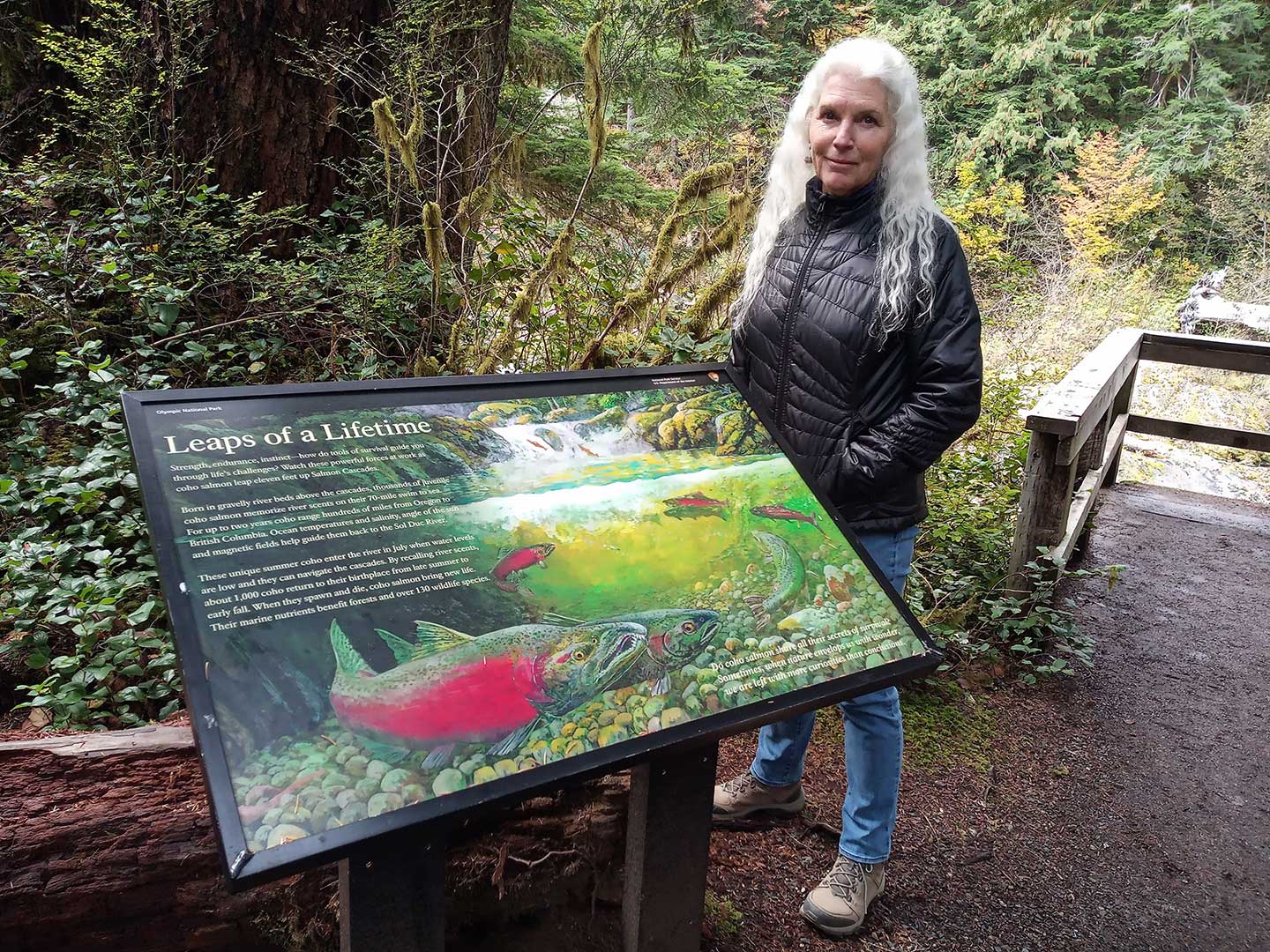
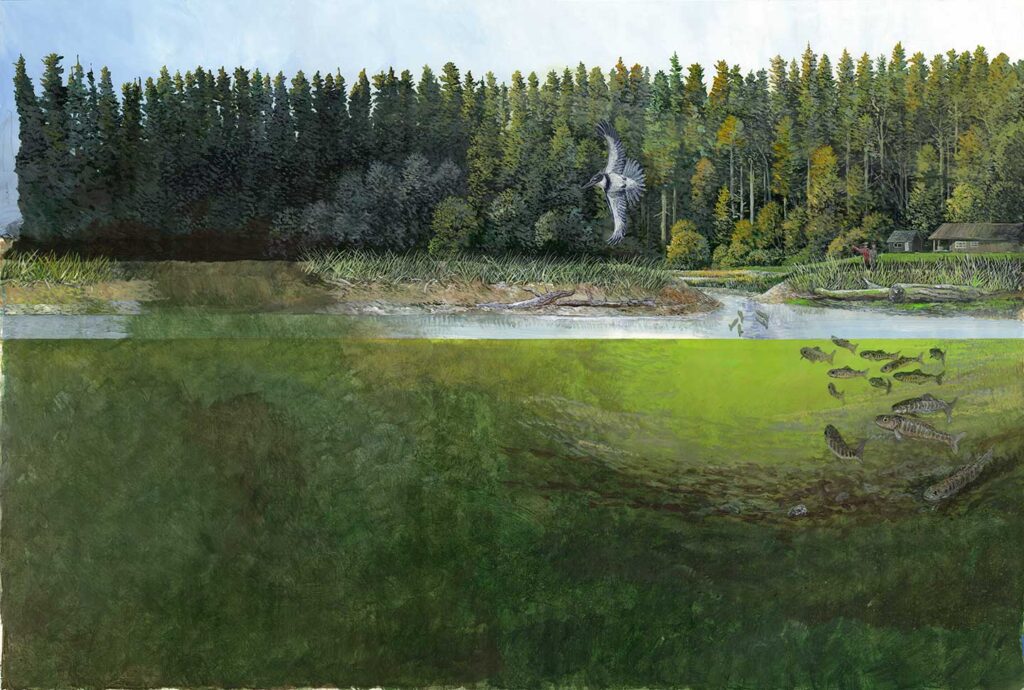
Each Fall, lots of people come here to Salmon Cascades on the Sol Duc River to see salmon jump. They take a million pictures, some paint. I can now say I’m the only one that did both (with an underwater camera, too), and my art stayed behind. Here we were just out for a look at salmon, and of course saw some, but we hadn’t been here since this wayside panel was installed. Fun to see my stuff here and I thought it turned out pretty well.

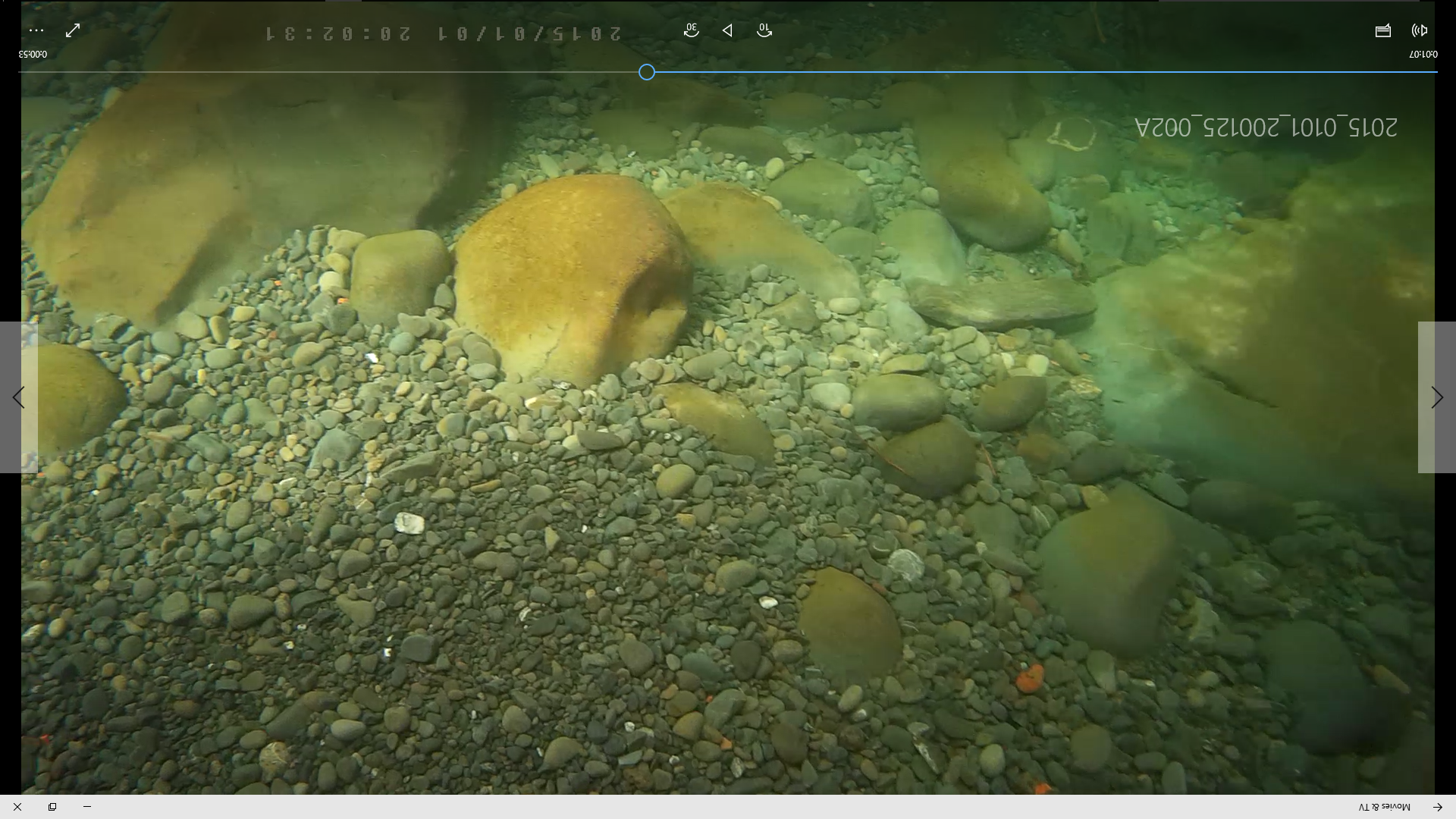
Below is one of my  underwater shots, much different than what I’d imagined it would look like down there. Colorful rocks, some organic color on the big stones. This is what the salmon see as they circle preparing to make the jump.

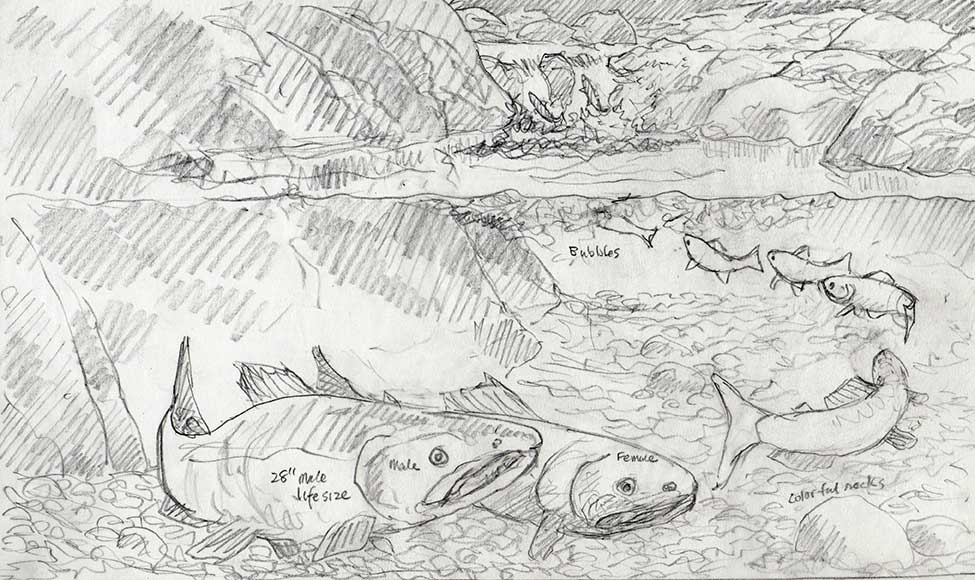
Below is the original sketch, the third design that the park eventually approved. That bottom fish is about life-sized in the final panel.

And here’s a little backstory about all this. In the 80’s, I was visiting parks to paint them for my gallery and others I was represented by, sold all I could produce, and then one day a collector of mine who also ran Redwood National Park told me in casual conversation: “Listen, you come to my park, you paint her, and then you take the art away. Why not keep the art in the park for others to enjoy?” It changed my life and was one of those few life-moments I can point to as a turning point. I did what he suggested, and it’s been a meaningful ride for me ever since doing just that. On the Sol Duc Road alone you can see 25 of my paintings along the way in the 17 miles up to Sol Duc Trailhead. 300 in the California redwoods. And it’s an amazing bunch of memories of working for and with people who only want to do what’s best for nature, not their own pocketbook. From Alaska to Florida – it’s a legacy I don’t take lightly.

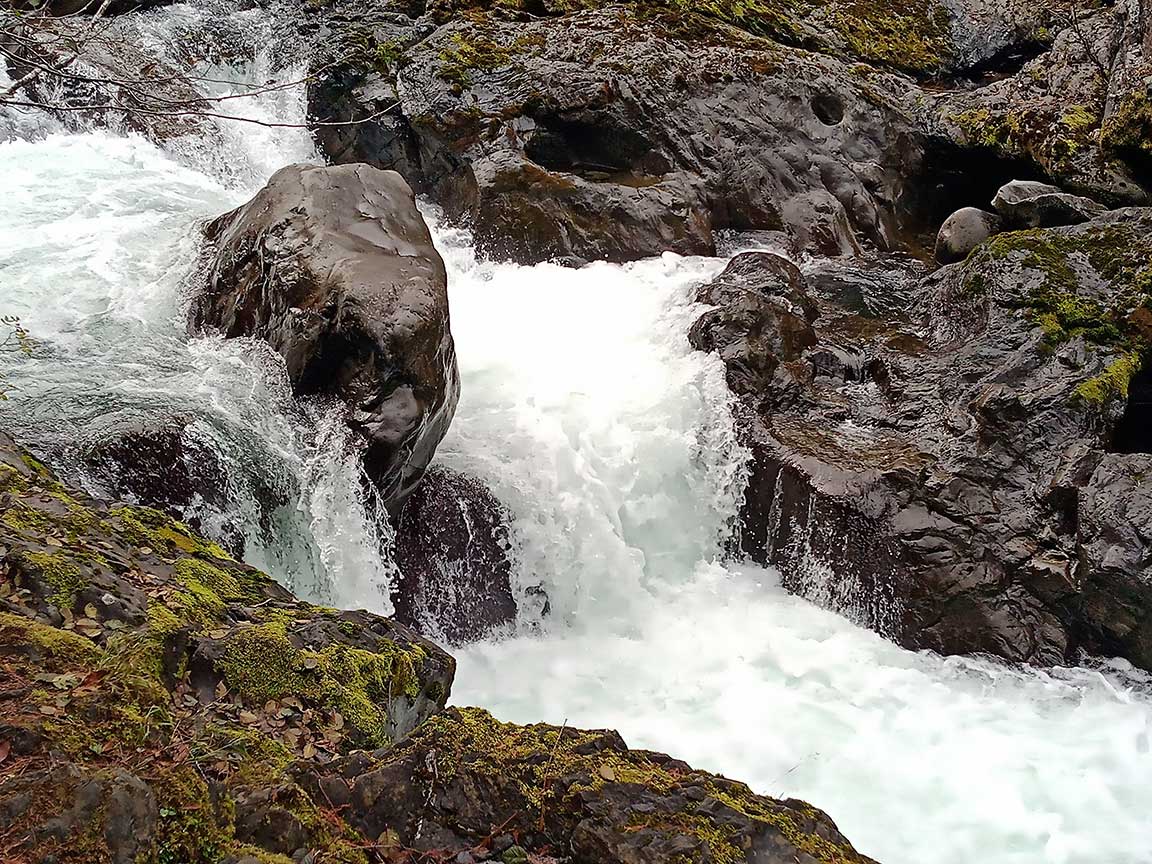
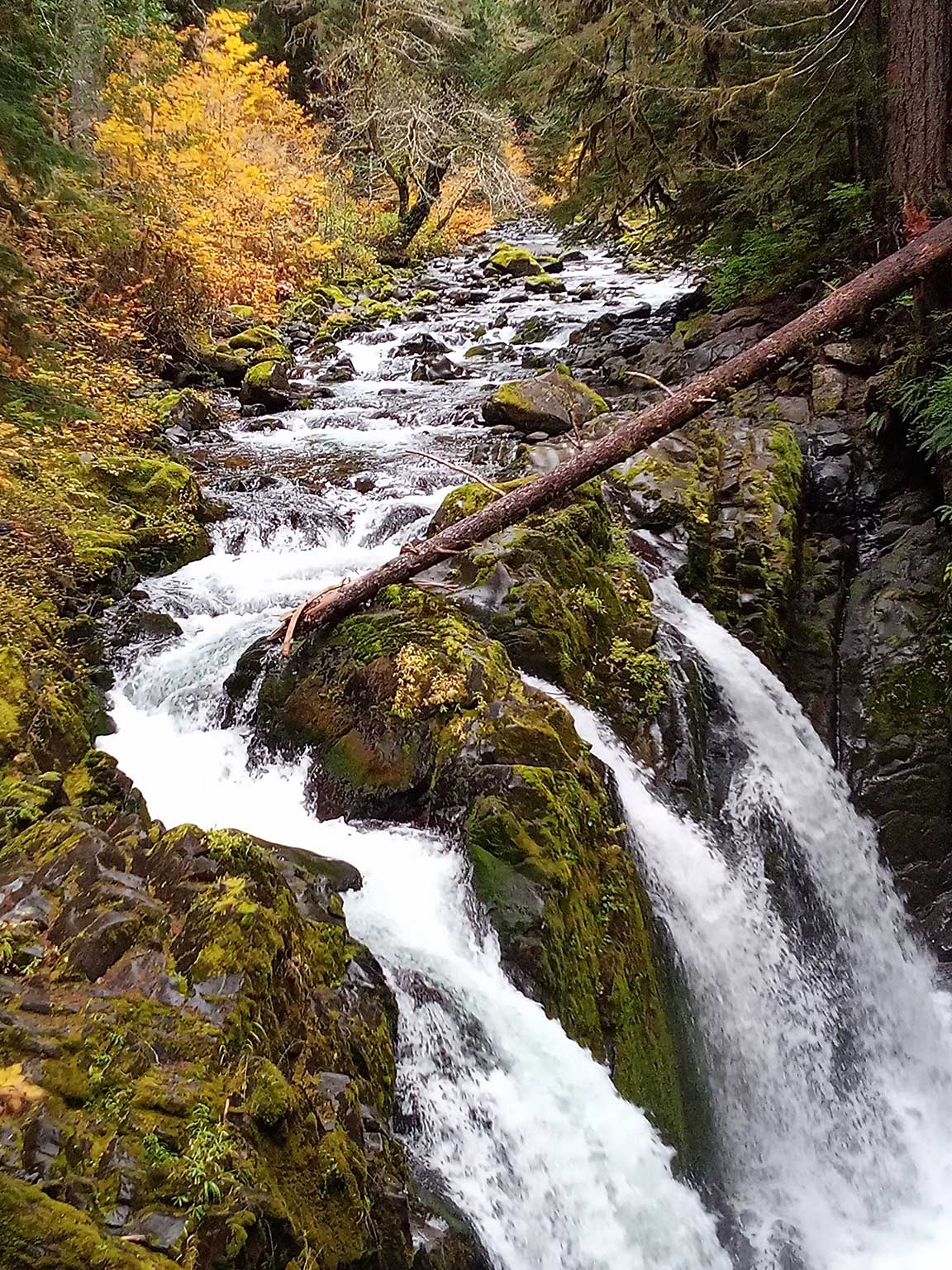
Here’s the salmon cascades, but without the salmon. Just didn’t time the photo at the right time. It’s a good jump, but they all seem to make it eventually.

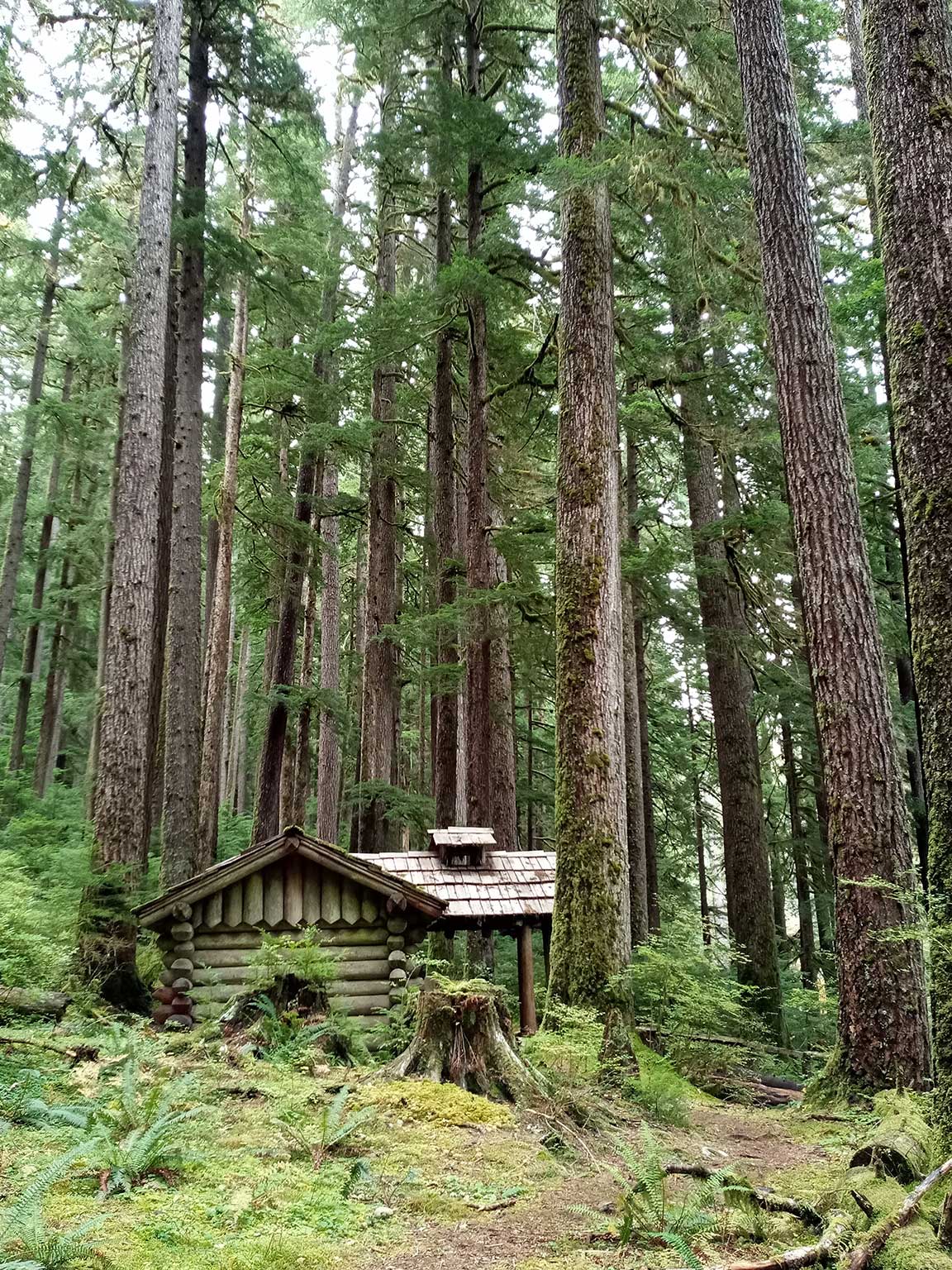
And at the end of the road and a short hike to the falls, but here’s the rebuilt cabin, the 1939 Canyon Creek Shelter at Sol Duc Falls. It’s on the National Register of Historic Places.  And the falls that stop all fish from getting to the upper reaches of the Sol Duc River.

Thanks for reading this week.

Larry Eifert

Here’s my Facebook fan page. I post lots of other stuff there.

Click here to go to our main website – with jigsaw puzzles, prints, interpretive portfolios and lots of other stuff.

Nancy’s web portfolio of stunning photography and paintings

And here to go to Virginia Eifert’s website.
Fort Worden State Park panels

Wow, I get to paint something local for a change. And the scenes are local, but these were actually painted on a picnic table on the other side of the Cascades at Lake Chelan State Park a few days ago.

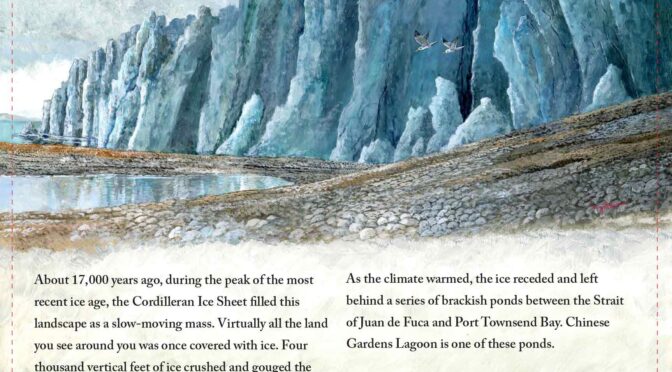
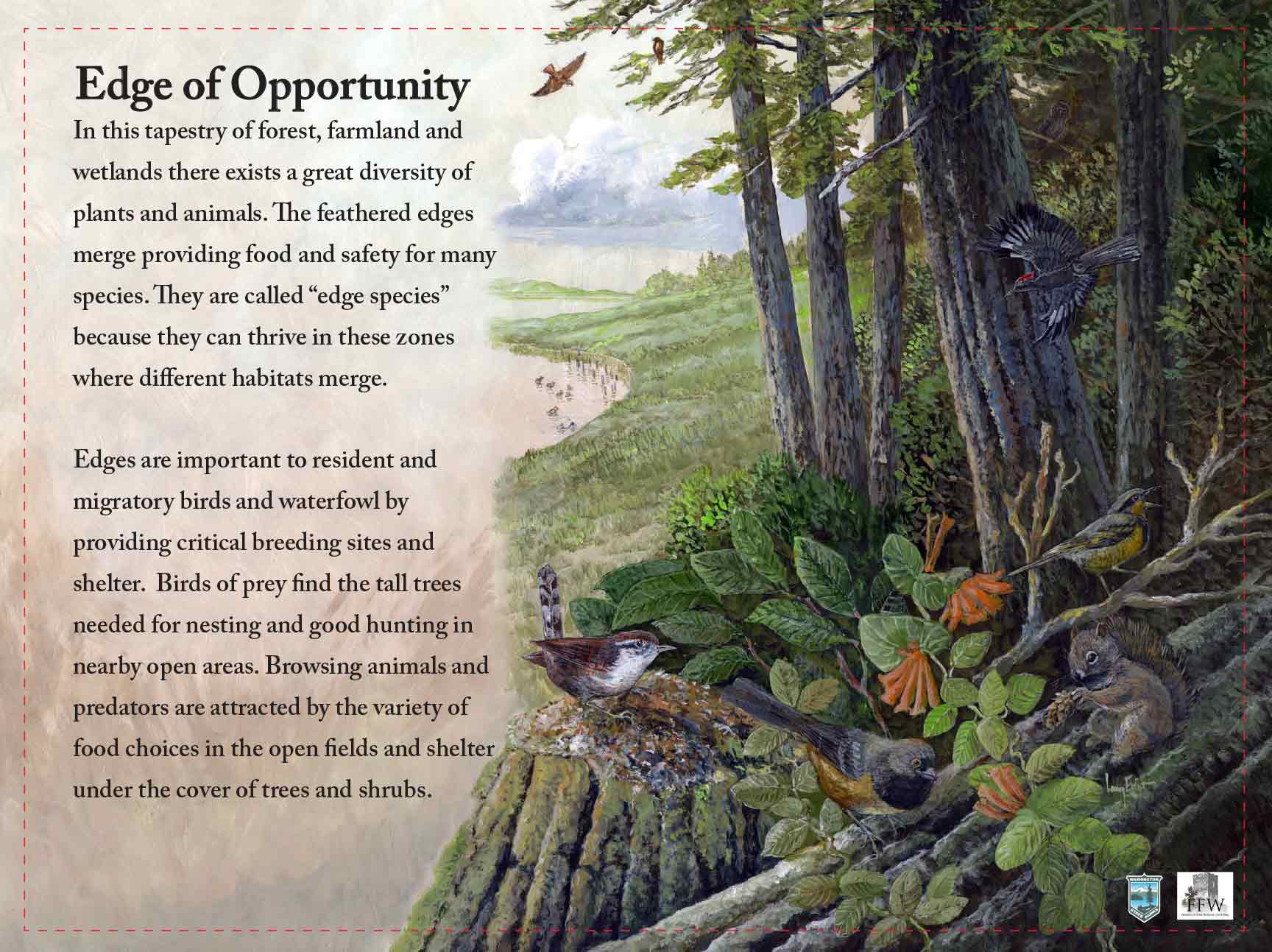
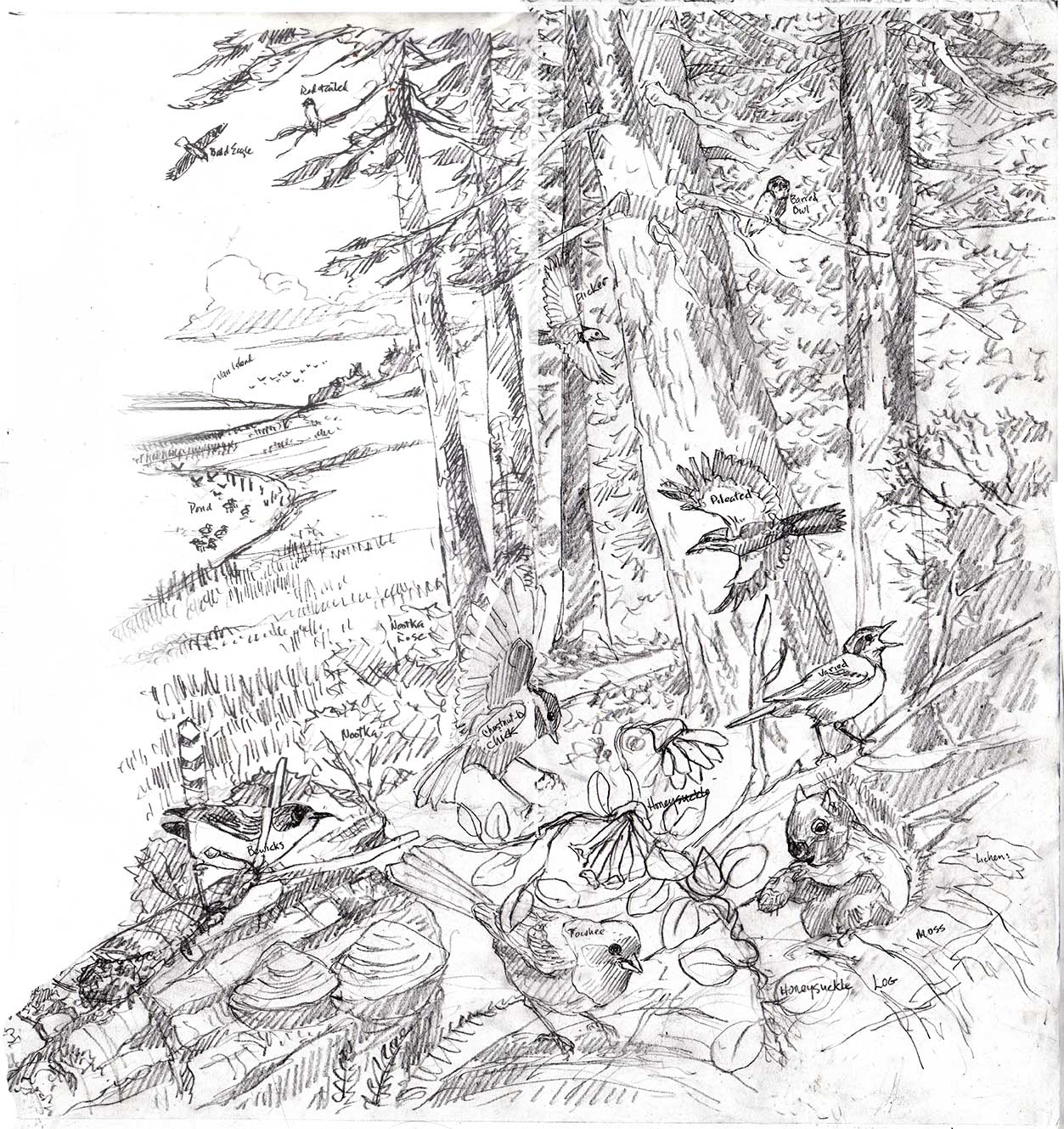
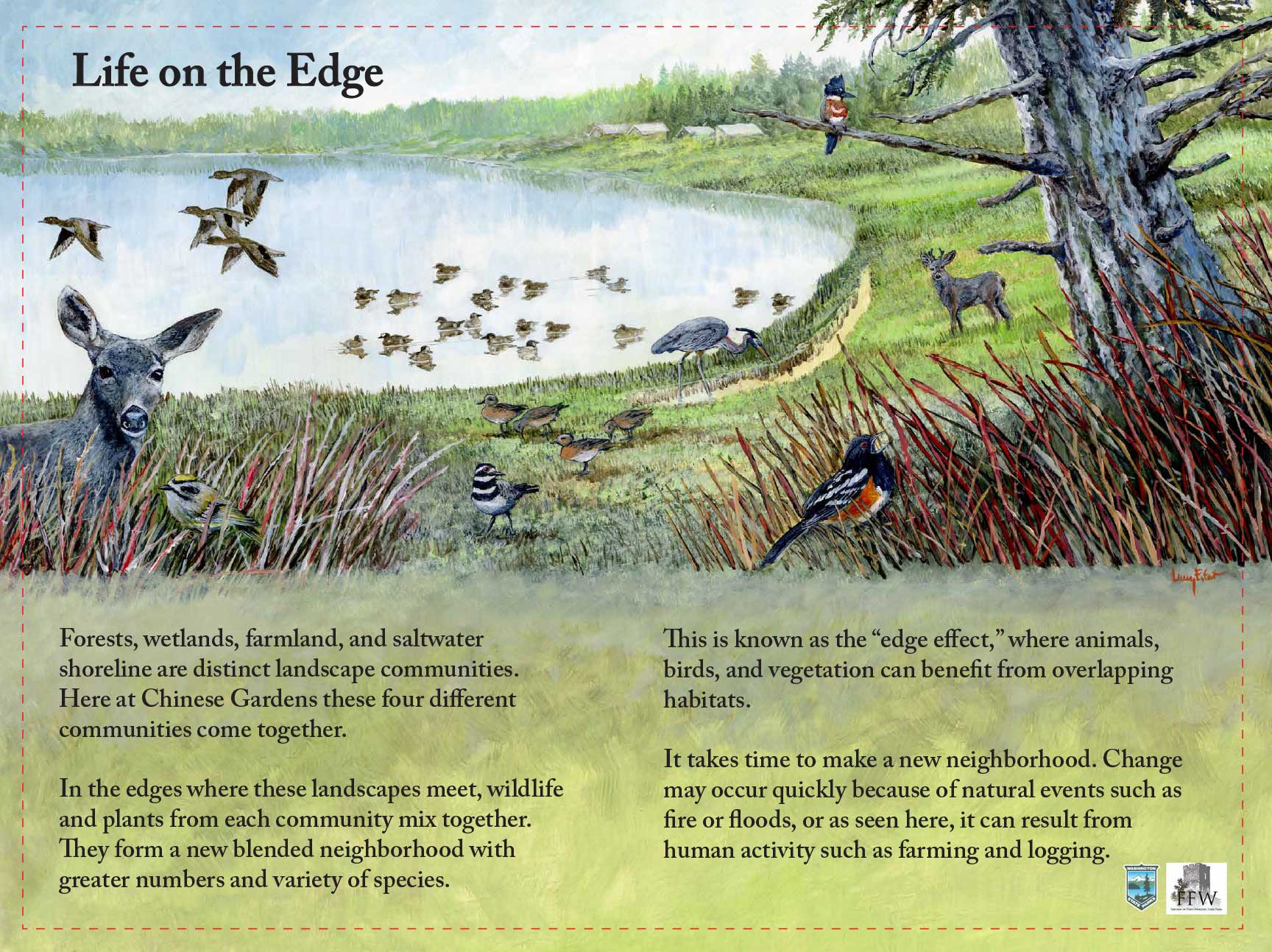
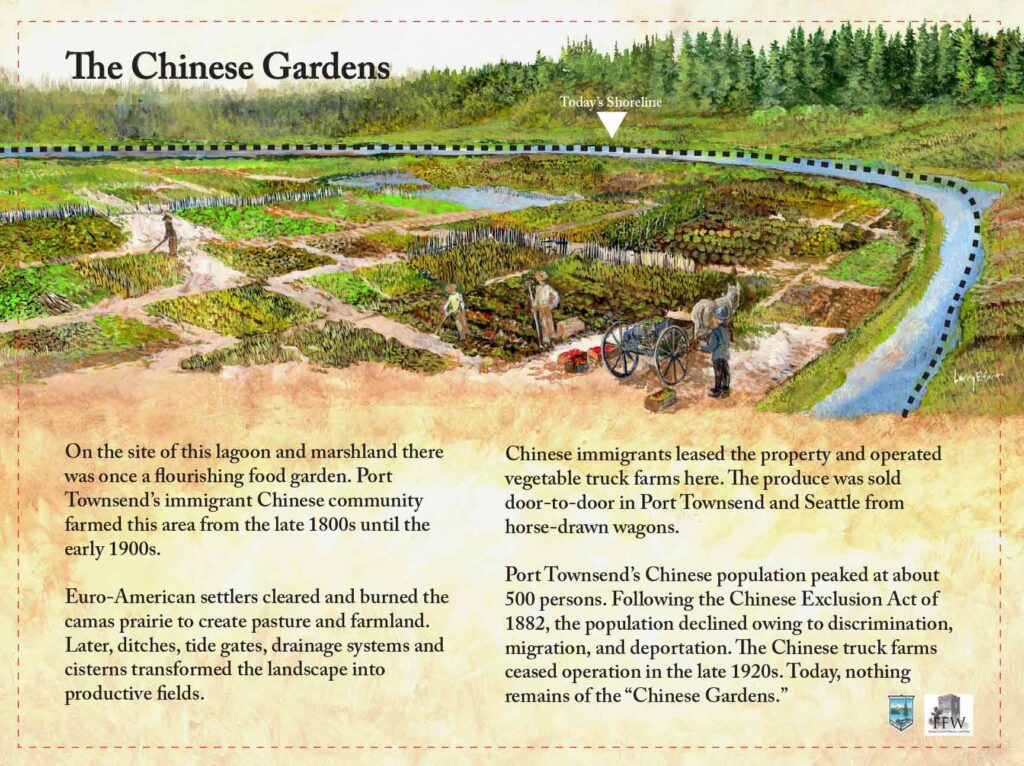
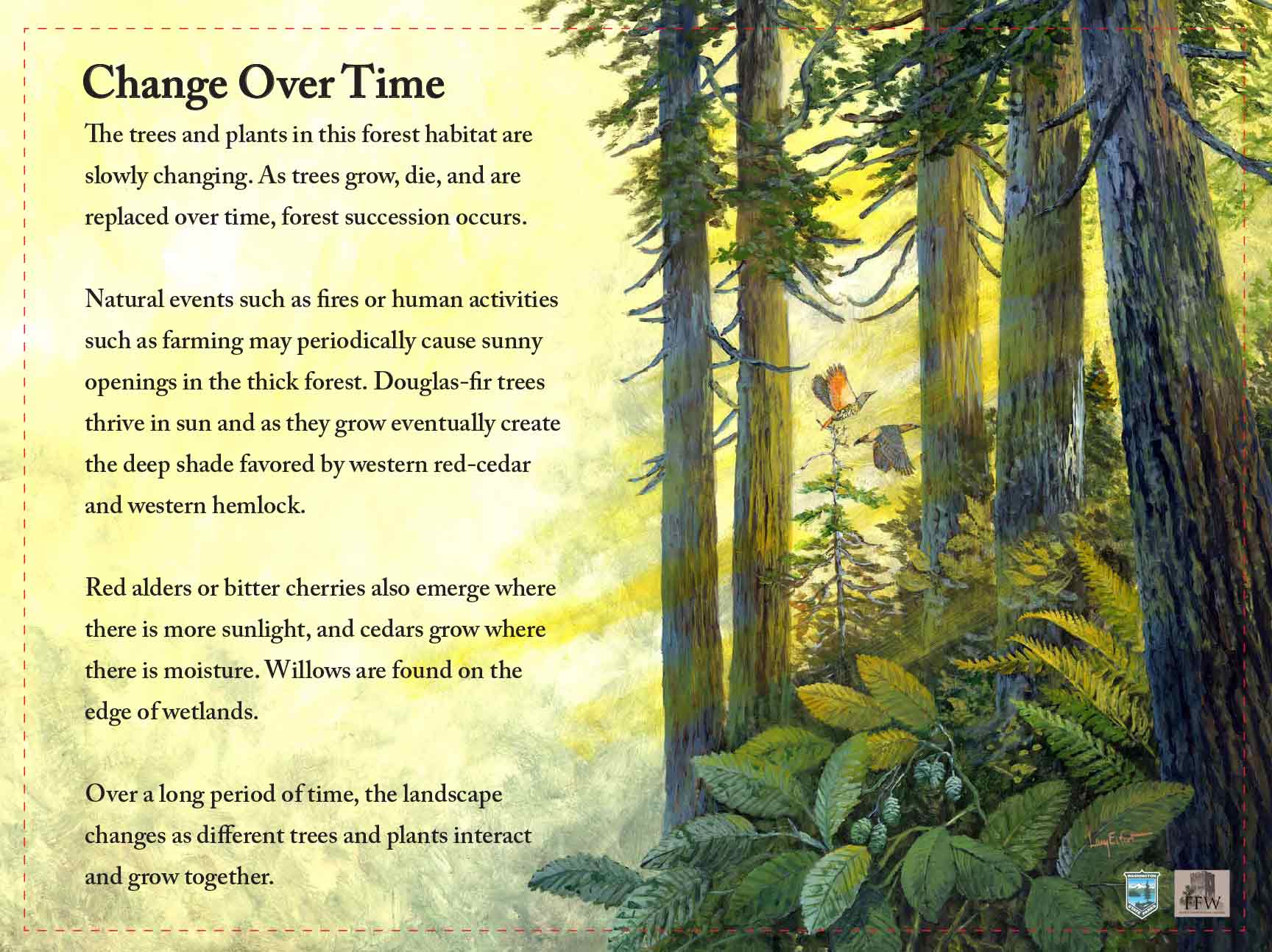
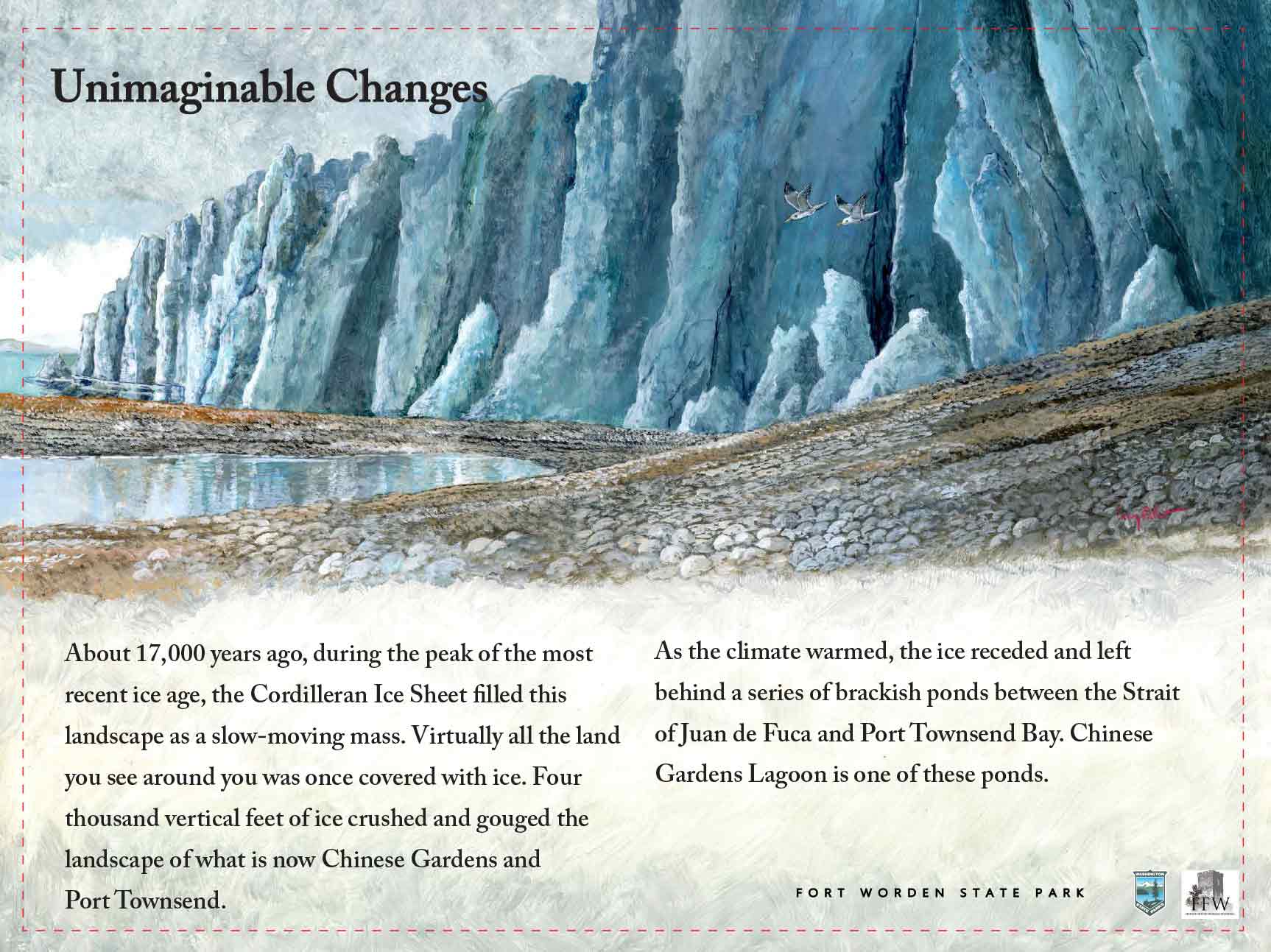
These are two of six paintings for a trailside project at my local park, Fort Worden State Park, funded by the Friends of Fort Worden and state parks. The trail wonders beside Chinese Pond and then into a mixed-age conifer forest. These trail panels will be like a little gallery in the forest. It’s been fun to work on something much smaller than what I usually do. I’ll have more soon.

This second painting shows the pond in winter, Nootka roses without leaves or flowers, green grass and flocks of migrant widgeons. There was discussion of the deer – too close, too big, but if anyone has been to Port Townsend, they’d understand how critical it would be to add this one species – THE species here in town. Love them or hate them, it’s life for all of us here.

Thanks for reading this week.

Larry Eifert

Here’s my Facebook fan page. I post lots of other stuff there.

Click here to go to our main website – with jigsaw puzzles, prints, interpretive portfolios and lots of other stuff.

Nancy’s web portfolio of stunning photography and paintings

And here to go to Virginia Eifert’s website.
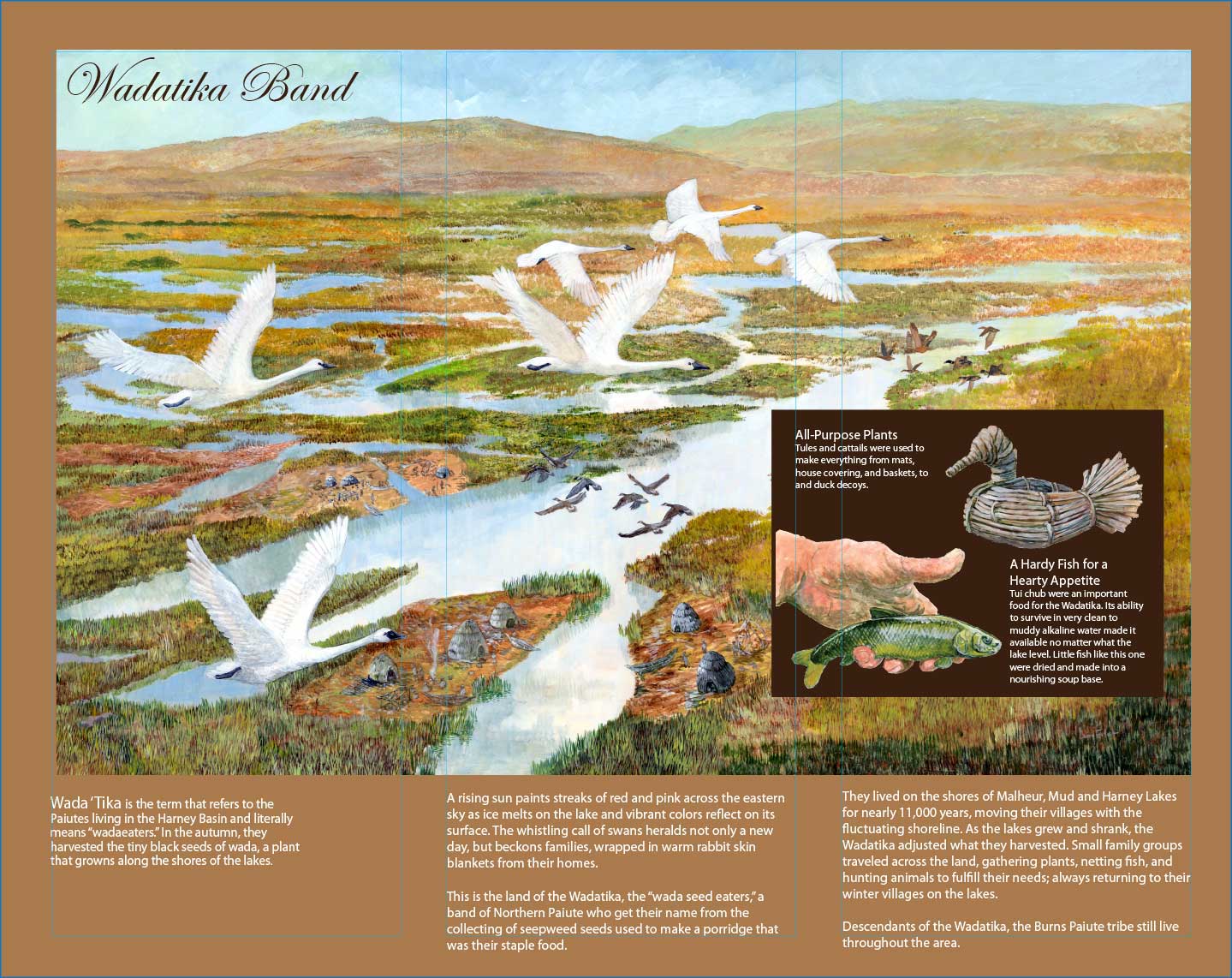
Malheur – Swans and the Wadatika

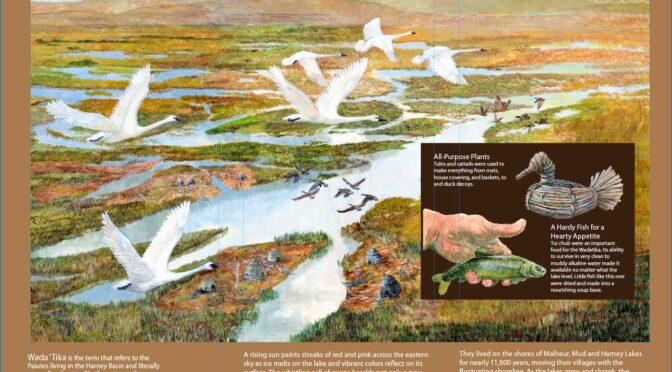
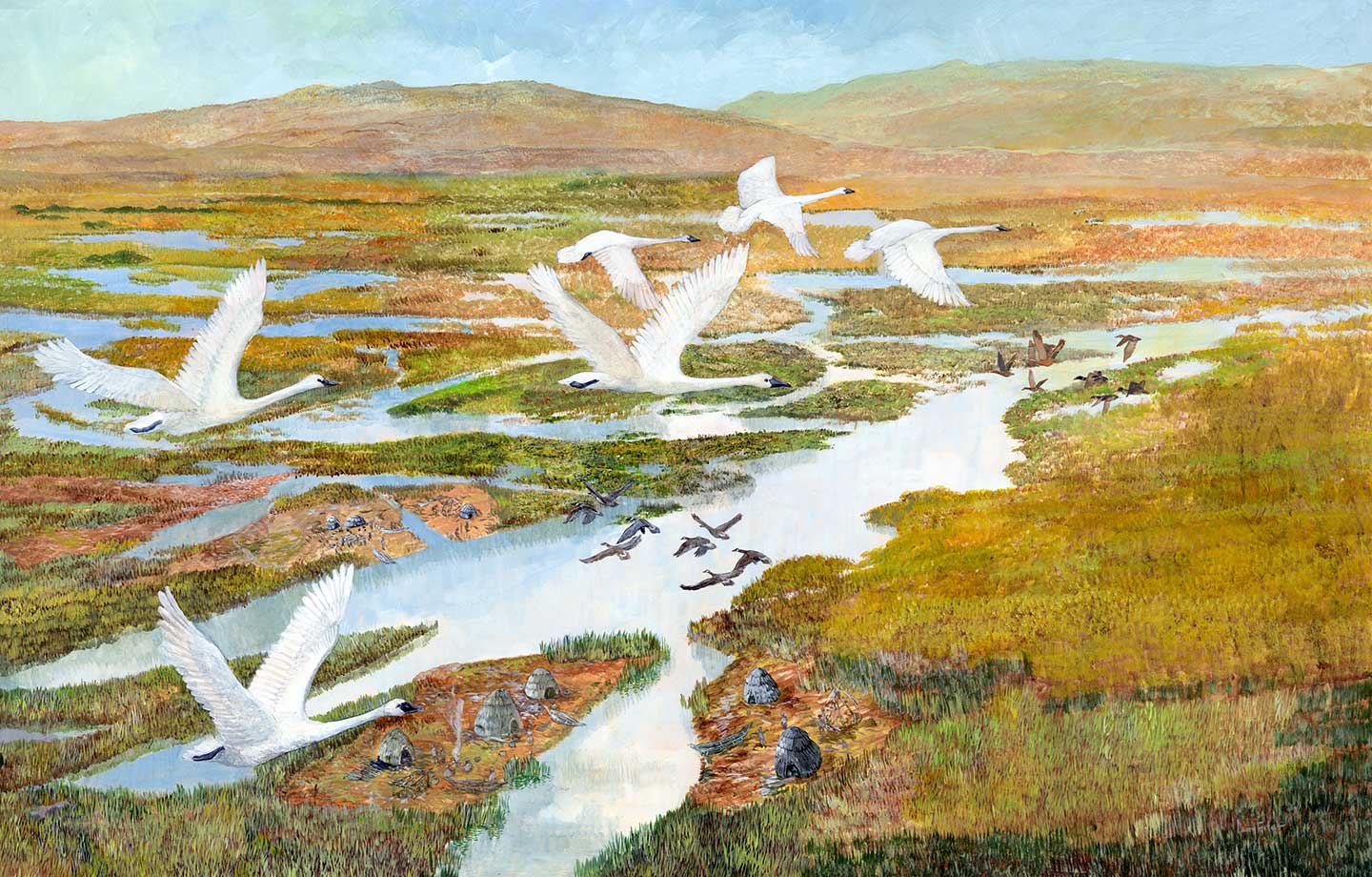
This could be Malheur National Wildlife Refuge – possibly 1000 years ago when the Waditiki Indians lived here, fishing and hunting the marshes during high water periods. It’s from the perspective of the Trumpeter Swans, Canada geese and ducks the Indians hunted. Looking down through the birds you see the tule and cattail houses and boats, and people going about their daily lives. I like the feeling of a gigantic landscape with a very few humans touching the land lightly. How things have changed!

I finished this painting a few days ago for Malheur National Wildlife Refuge in eastern Oregon. This is one more of that series I’ve been working on seemingly forever, but this one I truly enjoyed, because there was so little guidance from anyone involved. This is another fairly big wayside, 60″ wide, that will be part of 3 at the Buena Vista Overlook south of Burns, Oregon. Here it is in the final form.

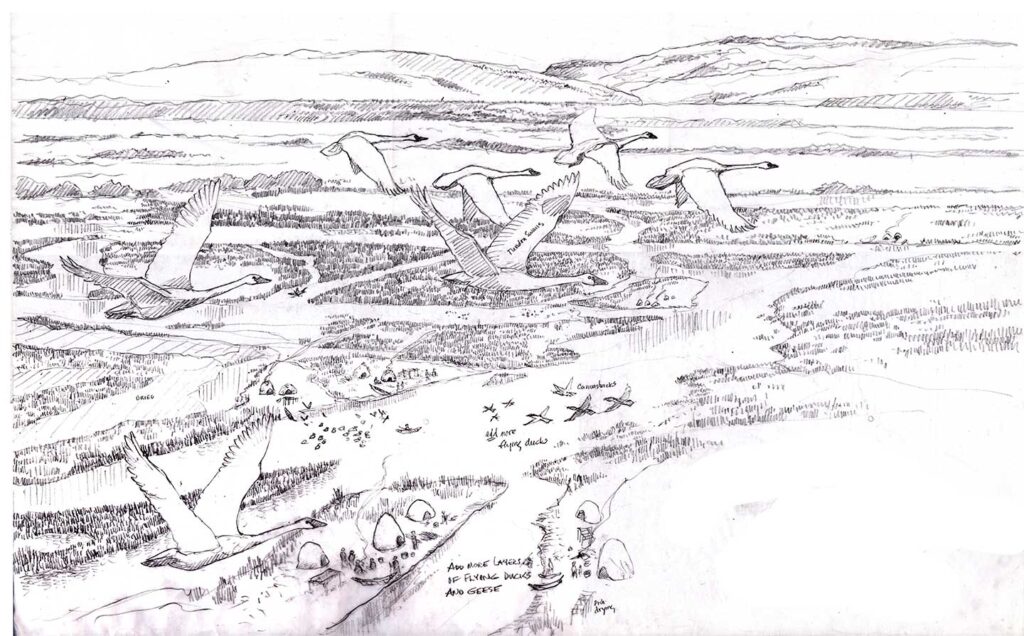
And here’s the original sketch of the main painting. Getting the feel of a made-up place, because who knows what it really looked  like then, what the Indians looked like, what they did or how many there were. I think I got it.
Thanks for reading this week.

Larry Eifert

Here’s my Facebook fan page. I post lots of other stuff there.

Click here to go to our main website – with jigsaw puzzles, prints, interpretive portfolios and lots of other stuff.

Nancy’s web portfolio of stunning photography and paintings

And here to go to Virginia Eifert’s website.