Category Archives: Wildlife

A Story about Painted Anenomes

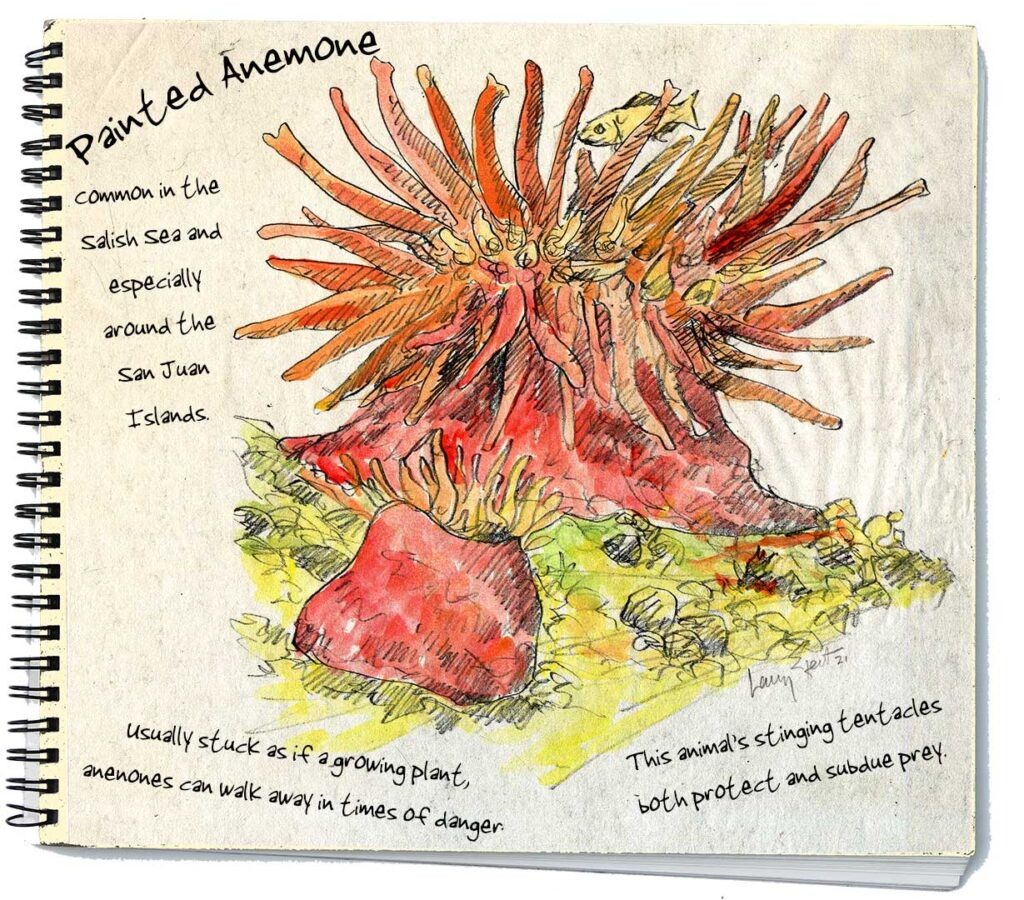
This is my monthly story for September 2021 in 48 North magazine.  By a quick count, it’s my 111th edition, probably worthy of a book if I had the time to put it together. It’s still fun for me to do, to go out and see something interesting and new that I don’t know about. I  research it and paint it – and I gain more fun knowledge to stuff in my ancient brain. I think it keeps me young!

Here’s the story:

Anemones are mostly stationary animals that have stinging tentacles to subdue prey. Their waving arms then transport the hapless creature to a center mouth where it quickly becomes the next meal. The Painted Anemone, also known as Christmas Anemone, is one of the most common anemones around the San Juan Islands. They feed on crabs, mussels, barnacles and fish. Not every creature is fair game, as the Candy-striped Shrimp (appropriately named), seems to be immune to the sting, and so one can find a candy-stripe next to a painted, neatly tucked into the anemone’s waving arms of death.

Painted Anemones are about five inches tall, drama queen colored and sport about 100 tentacles arranged in circular rows. Somehow, these creatures can attack the relatively huge Sunflower Star, a star that can grow to a three-foot diameter. We don’t need to dive to see these striking animals as they’re commonly seen on a minus tide, drooping or hanging from sheltered rocks like a deflated balloon. They don’t have bones to hold them upright when out of the water. While it seems they’re ‘stuck’ in place, anchored like a plant, if extreme danger threatens, they can ‘unstick’ themselves and move away on foot. It must work, because Painted Anemones can live sixty to eighty years.


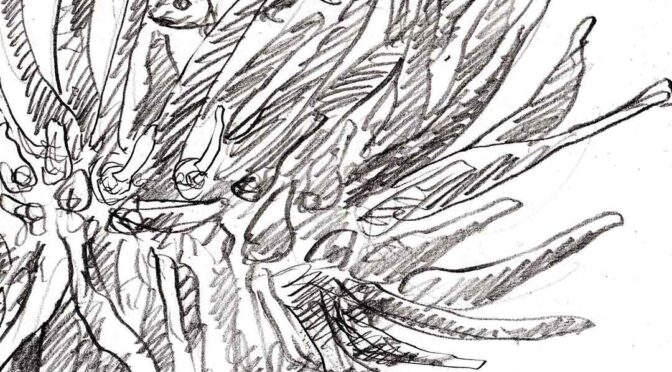
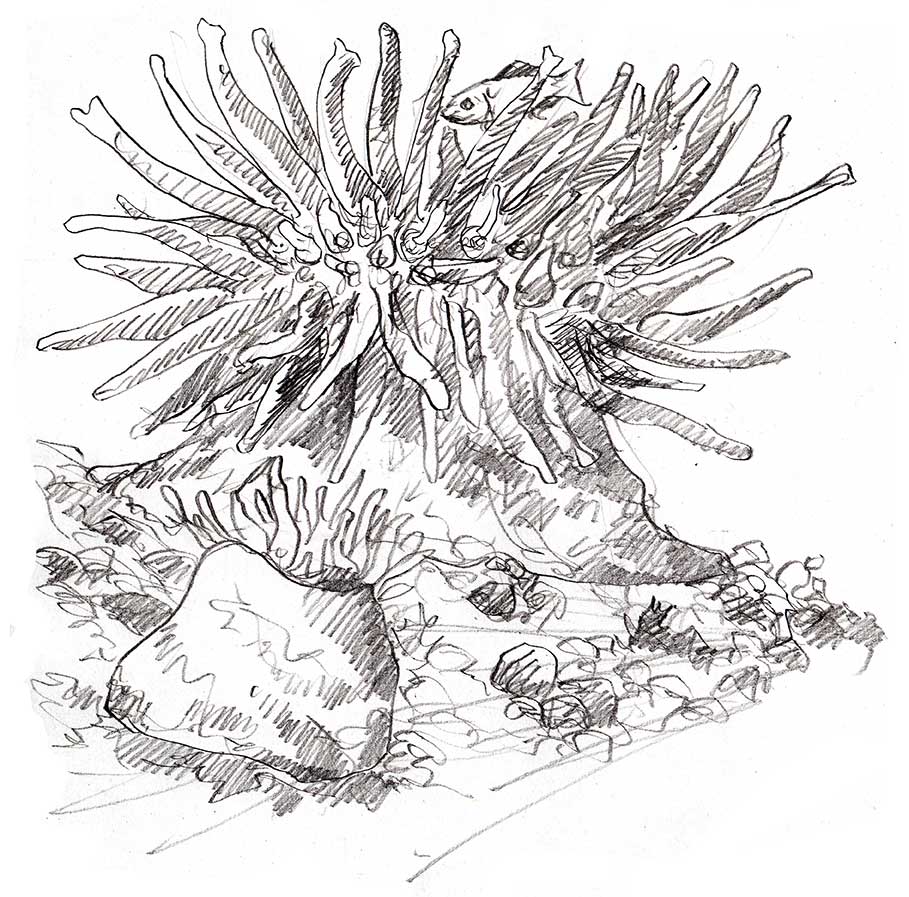
And here’s the pencil drawing before the watercolor was added. It’s a quick and really abstract process for me. Not much thought does into it, but then again it’s ALL thought – a free thought from eyes to fingers.


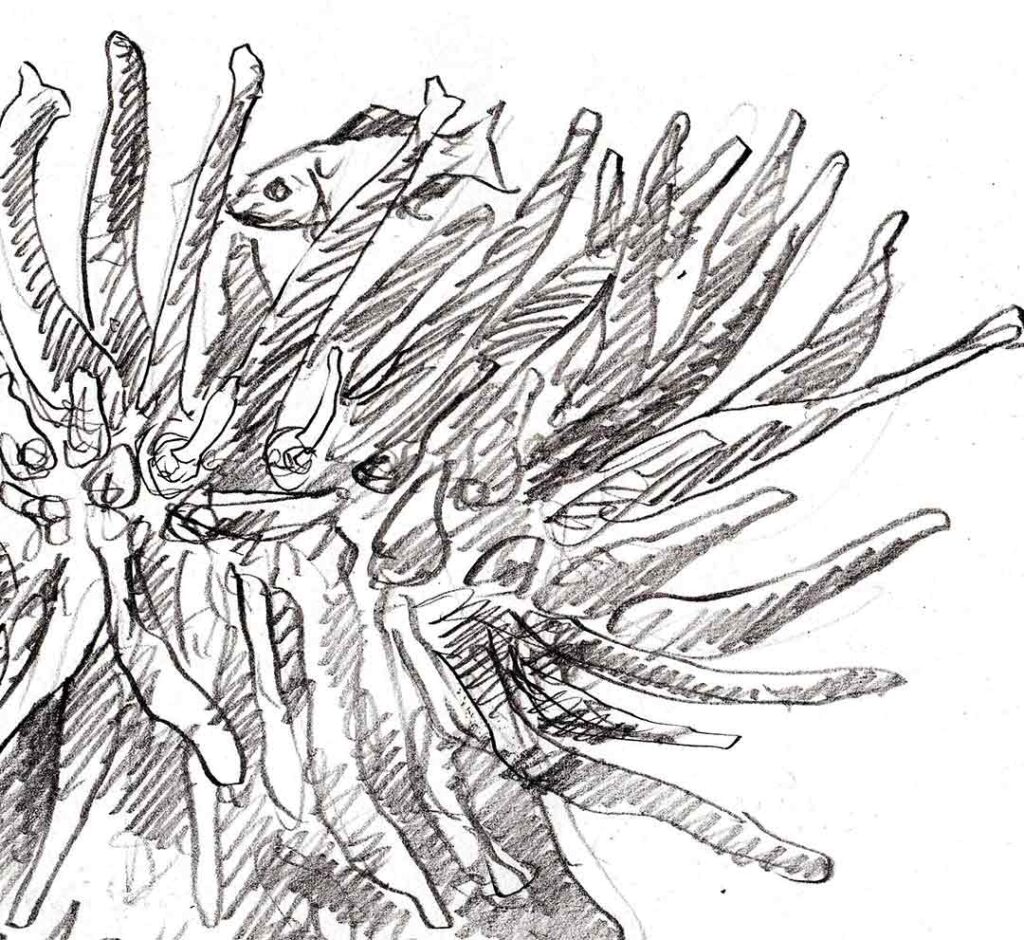
And below is a closeup piece of it to s how how abstract and scribbly it was.  Somehow it all comes together with the paint.

Larry Eifert paints and sails the Pacific Northwest from Port Townsend. His large-scale murals can be seen in many national parks across America, and at larryeifert.com.

Thanks for reading this week. You can sign up for emails for these posts on my website at larryeifert.com.

Larry Eifert

Here’s my Facebook fan page. I post lots of other stuff there.

And Instagram is here.

Click here to go to our main website – with jigsaw puzzles, prints, interpretive portfolios and lots of other stuff.

Nancy’s web portfolio of stunning photography and paintings.
And here to go to Virginia Eifert’s website.

A Wildlife Encounter

The Olympic Endemics

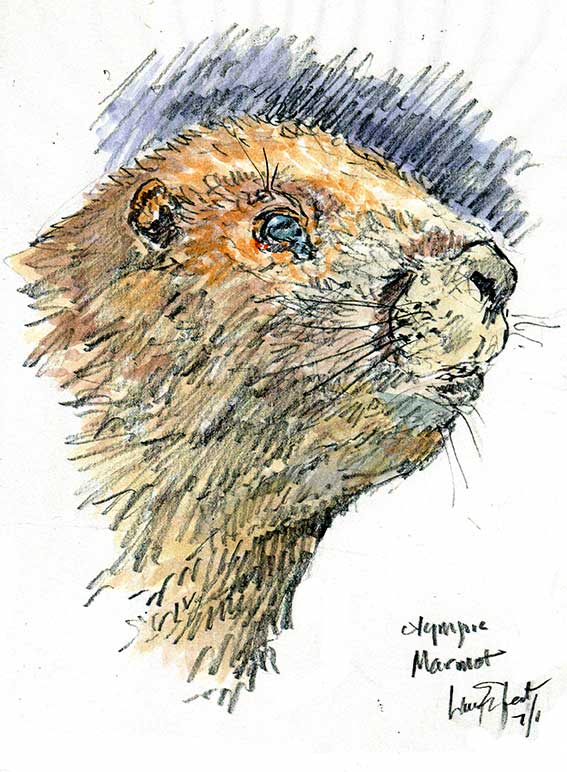
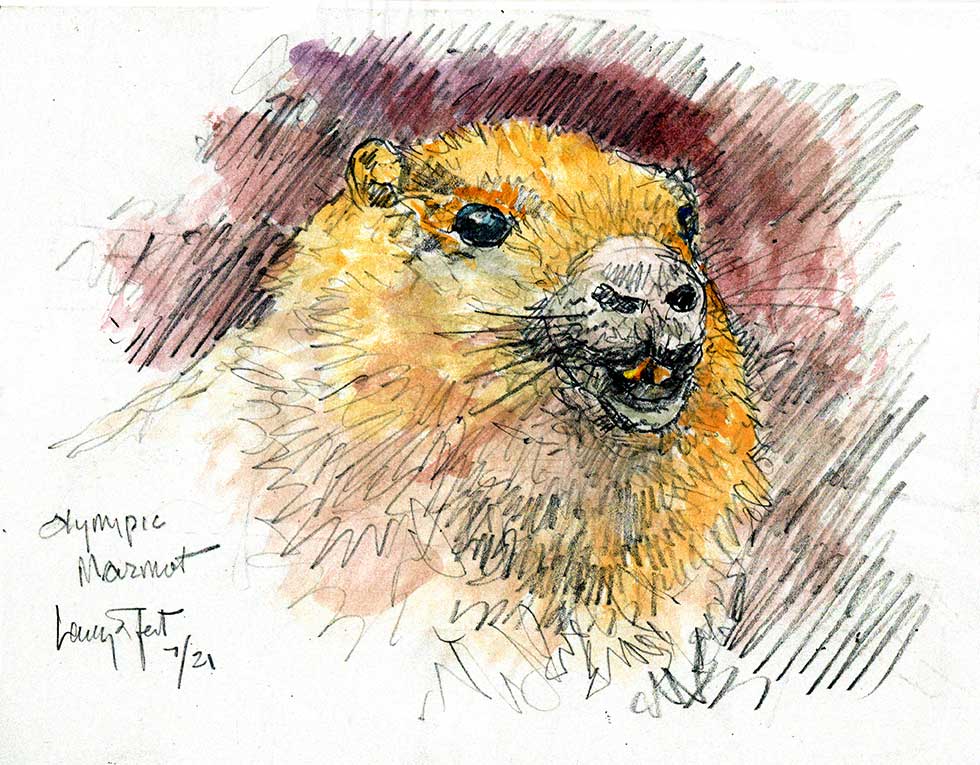
On a recent hike in the Olympic Mountains, I decided to turn my paintbrush towards the endemic Olympic Marmot. There are five mammals and nine others (fish and amphibians) that are only found here and nowhere else on the planet.  That’s right, only here! So if you see an alpine chipmunk, it’s the Olympic Chipmunk!

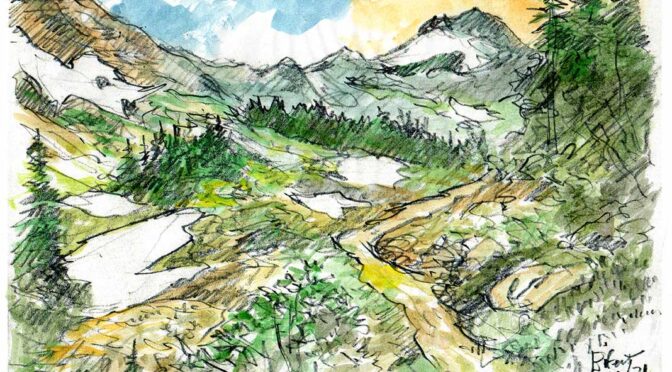
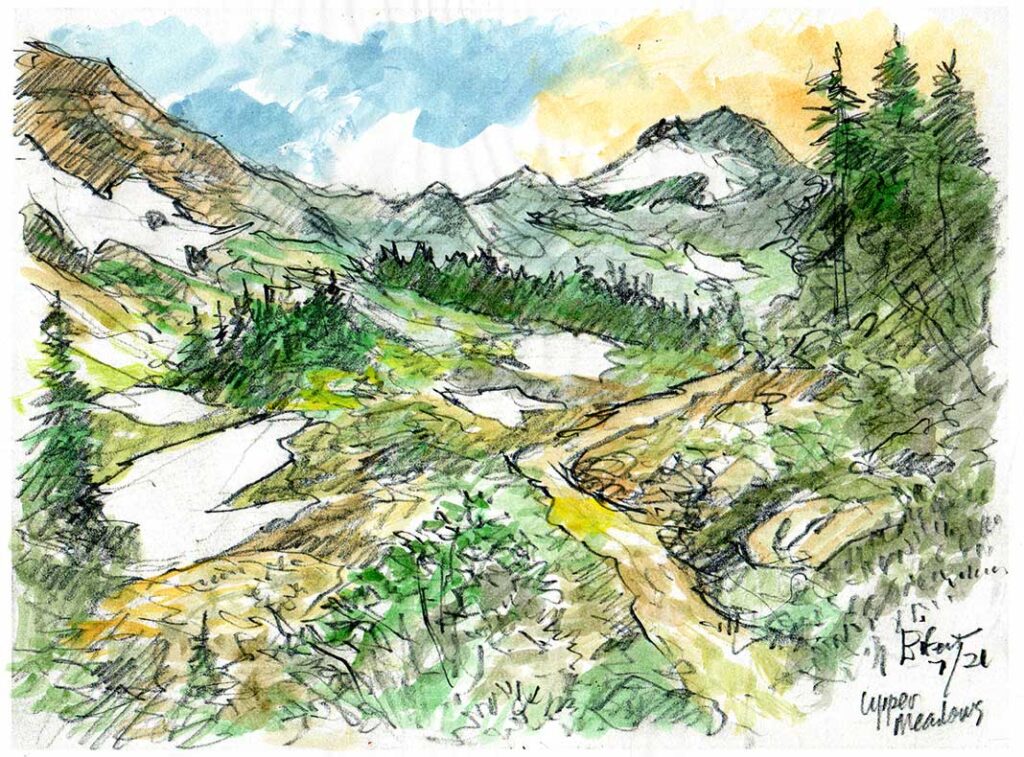
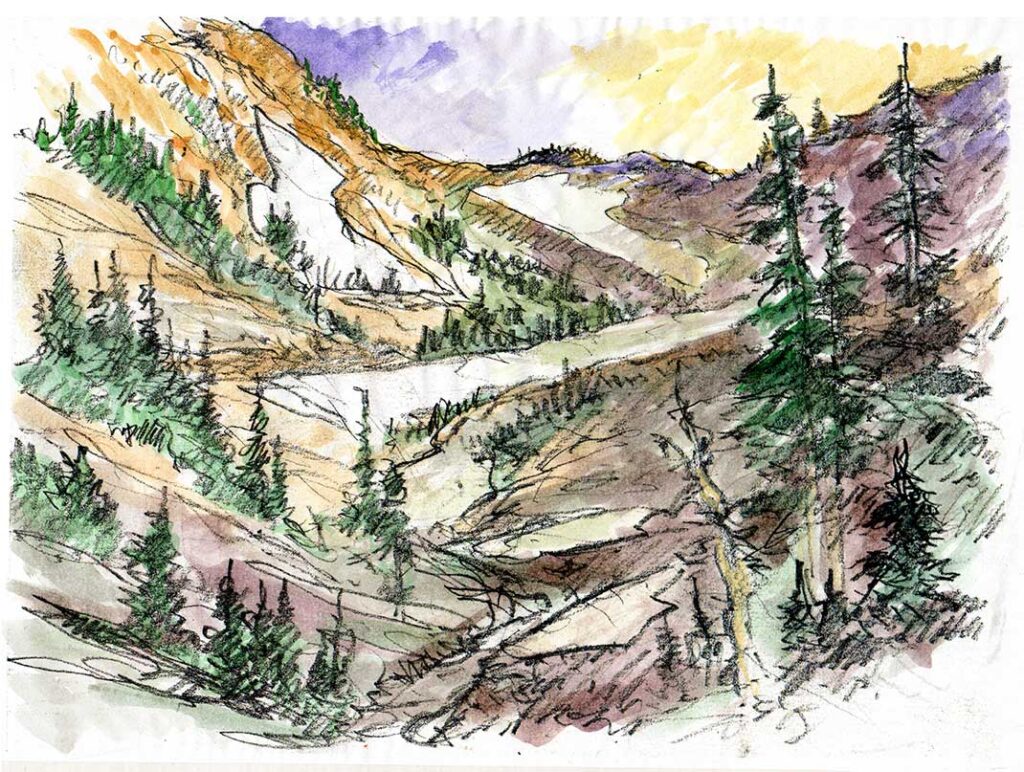
The Olympic Marmot is a woodchuck-type critter that lives in burrows just at treeline. They’re worth painting. I also did some watercolors of their world, a rare place with fragile flowers and manicured meadows, streams falling and pocket ponds people would pay big money for at home – but here it’s just why I come in the first place, and the only real cost is sweat. It’s a singular place like no other I know.

But the marmots aren’t the wildlife I want to tell you about. Here’s a little story about one night there, very small tent and a big experience that was, in the end, a great memory. It was just getting dark and . . . .

I zipped my Lunar Solo tent’s fly shut, snuggled into my bag and fell sound asleep. No moon tonight, the night was pitch black except the amazing spectacle of the Milky Way above.  Sometime later, I was suddenly awakened by someone, or something, rattling the tent, grunting, heavy breathing. I was in the Olympics, so no grizzlies, but still! It was really shaking.

Then, another set of major rattling and just as I started to yell a warning, down the tent came on top of my head, me in a sort of Lycra cocoon, fumbling both for the zipper and the light. Then more noises outside (wait, I WAS outside – nylon doesn’t count). I realized it was more deerlike than bear, I thought. I got the zipper open, and from my knee viewpoint there I was – looking up at two rather enormous bucks, lots of fuzzy antlers, and one of my hiking sticks in someone’s mouth. Deer slobber, yuck.

The Olympic Mountains of Washington are rare in that there aren’t any mineral deposits, no salts to licks, no seeps, and so all the animals are mineral-starved. The Olympic chipmunk wants your potato chip for the salt, not the food. The deer follow you around hoping you will urinate so they can lick it up, immediately.  It’s a little off-putting at first, but then we all just get used to it – and these two were after the salt on my hiking stick’s handles.  They weren’t going anywhere until I provided a diversion, so – well, with my light I walked over and found a big flat rock.  I’d tell you what it was like to walk across a black meadow with two 200-lb. deer right on my heels, but I’ll let you imagine it.

Back in bed, I listened to both of them licking away, shoving each other, heavy breathing, some grunting. Just try to put that out of your mind and go back to sleep!

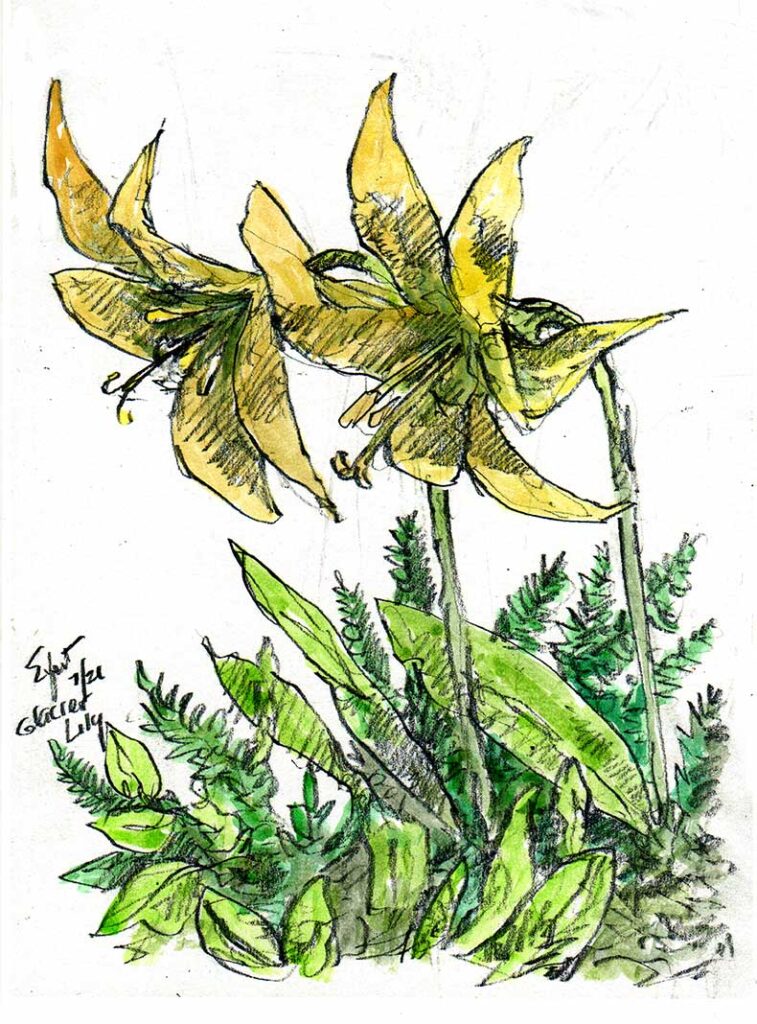
Glacier lilies form fields of yellow and white, thousands of them. These glorious flowers seem to prefer the sheltered meadows or under trees. I think they’re easily burned by the sun, so they’ve learned to grow best without the intense alpine sun blasting them.

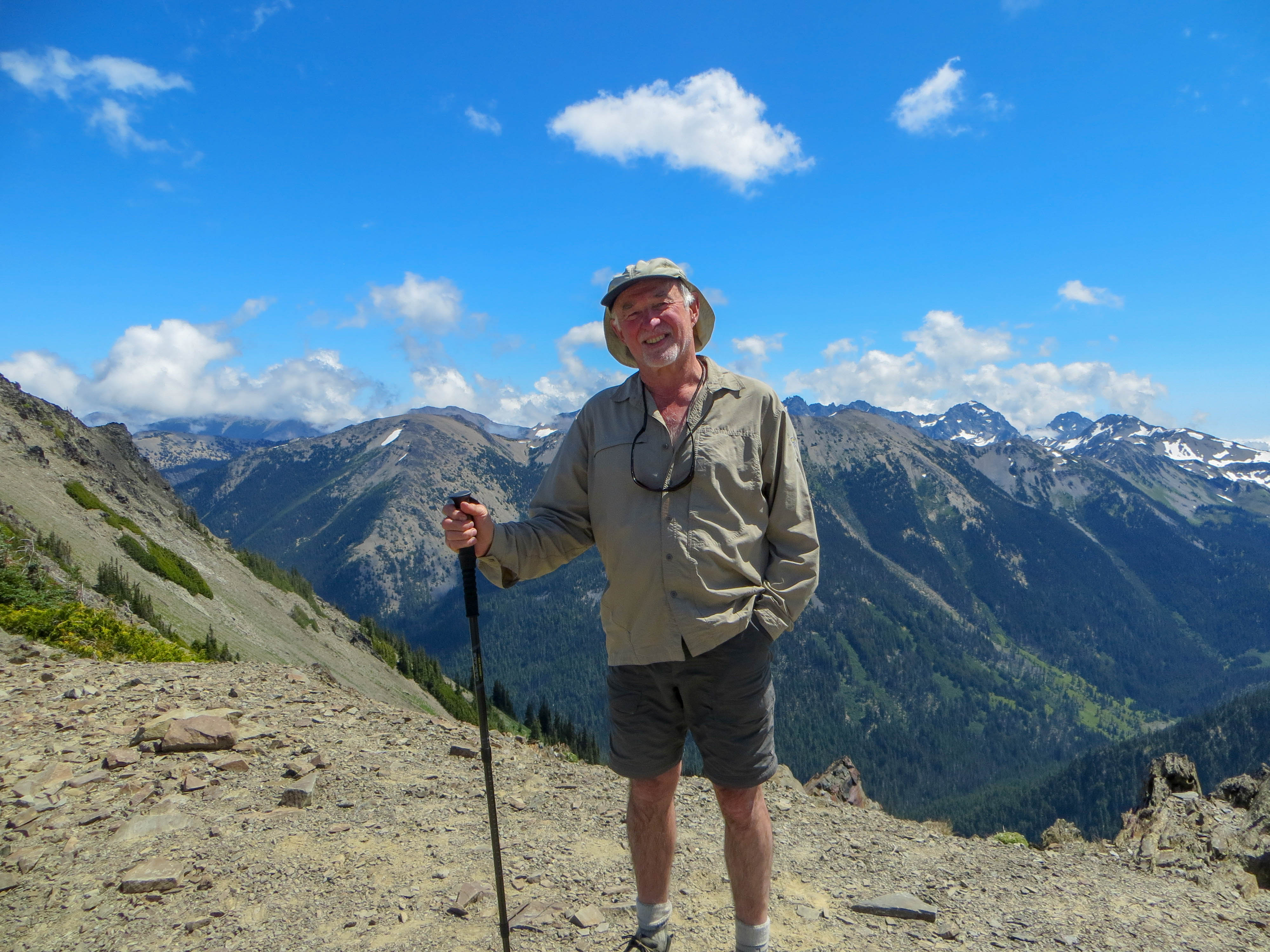
Later in the hike, top of the pass. I soon turn 75 and feel seriously grateful I can still do this. Thanks for reading this week. You can sign up for emails for these posts on my website at larryeifert.com.

Larry Eifert

Here’s my Facebook fan page. I post lots of other stuff there.

And Instagram is here.

Click here to go to our main website – with jigsaw puzzles, prints, interpretive portfolios and lots of other stuff.

Nancy’s web portfolio of stunning photography and paintings.
And here to go to Virginia Eifert’s website.

[previous title] — [next title]

A Butterfly Garden

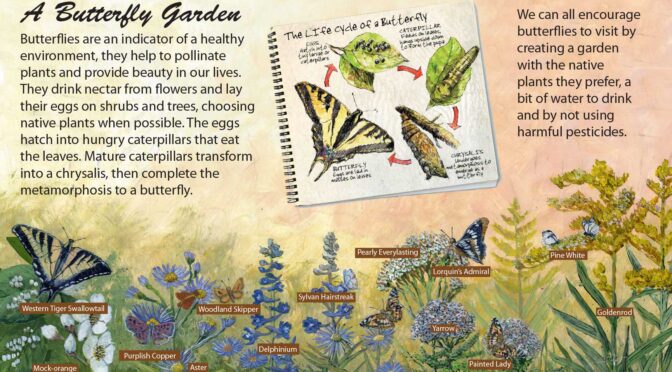
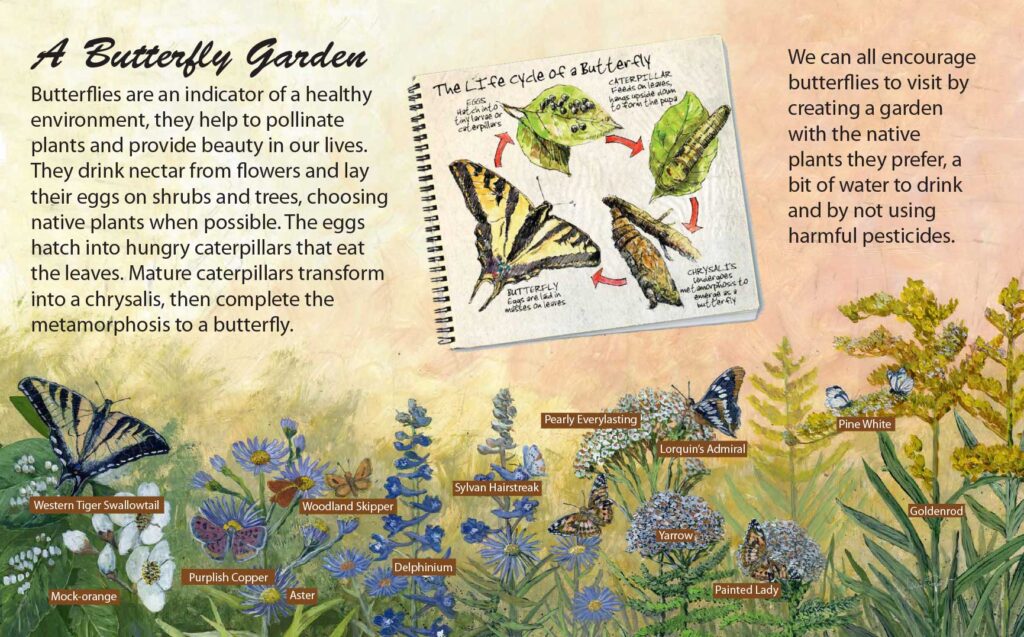
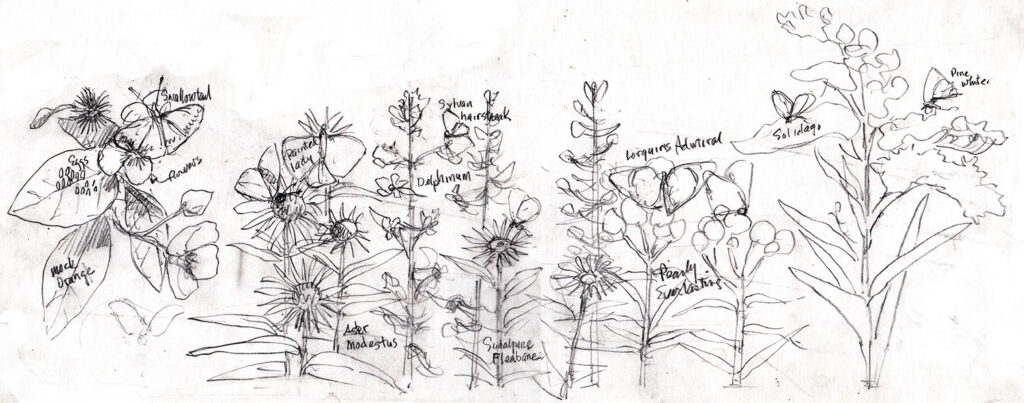
I was asked to paint a wayside for our nearby H. J. Carroll County Park. A nice interlude between some fairly big efforts, it was fun to do – and here’s the final result. Two fearless women, Linda and Robin, keep this garden together, raise plants in a nearby nursery, find seeds for about a dozen ecosystems and have done this for years. It seemed like a fine effort to help with and I don’t often do any local stuff for nearby parks, especially the county.

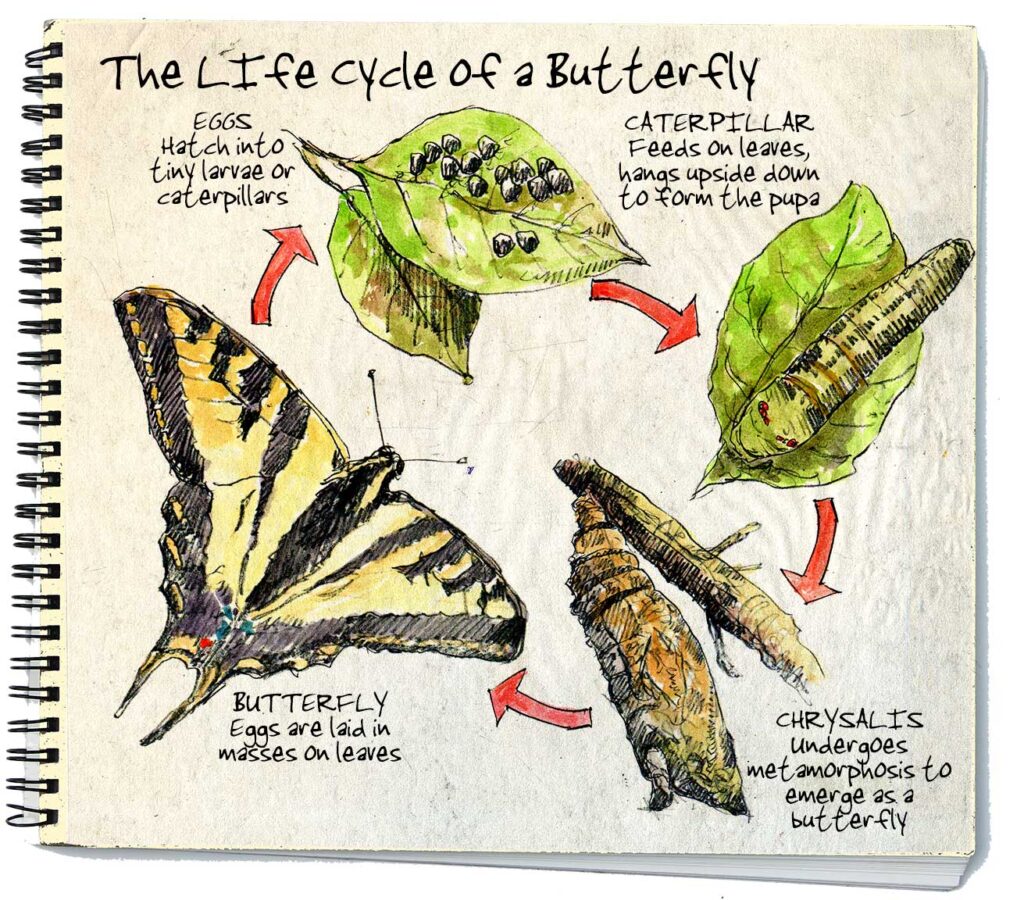
To begin, I did some smaller sketches of plants, the species that our local butterflies like. This was great information to learn about, provided by Wendy Feltham, and it helped me narrow all this down to fit on one panel. Then I painted a sort-of sketchbook page of the life cycle of a butterfly.

And all this came together to make a nice effort that has a lot of knowledge all crammed into a small area. If you’re local, stop by the park and have a look.

Thanks for reading this week. You can sign up for emails for these posts on my website at larryeifert.com.

Larry Eifert

Here’s my Facebook fan page. I post lots of other stuff there.

And Instagram is here.

Click here to go to our main website – with jigsaw puzzles, prints, interpretive portfolios and lots of other stuff.

Nancy’s web portfolio of stunning photography and paintings.
And here to go to Virginia Eifert’s website.

[previous title] — [next title]

Orcas Landing Waysides – San Juan Islands

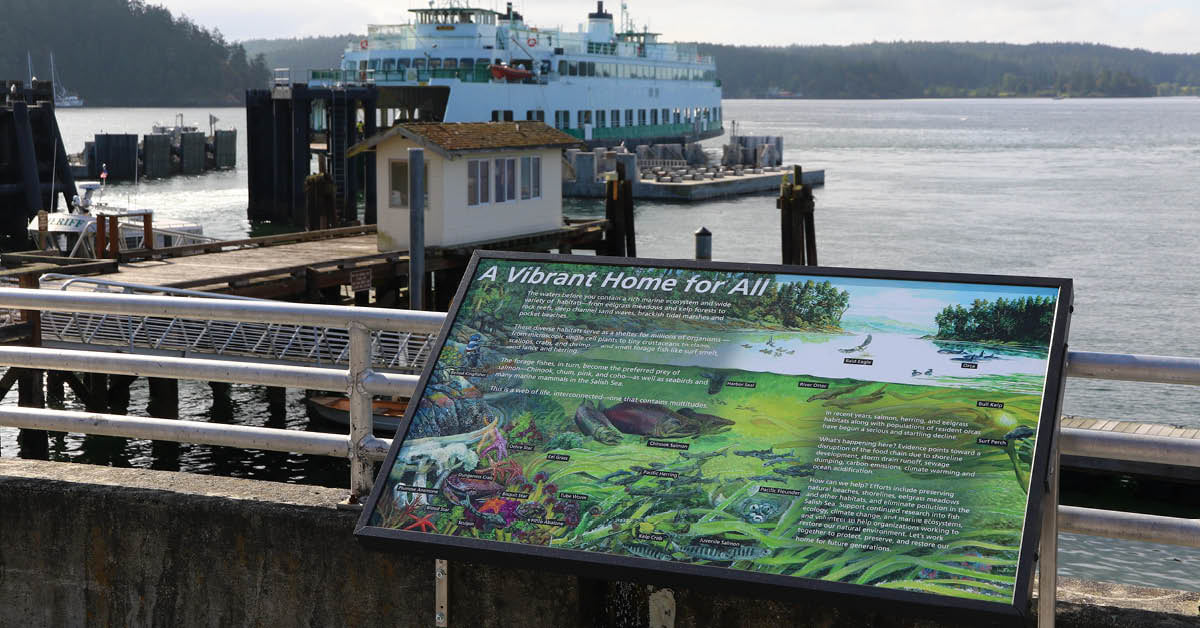
This was the Orcas Landing in the San Juan Islands of Washington State a couple of years ago, cleaned up from when there were giant fuel tanks here. In the 1980’s I tied up at this dock, and did it again with another boat in the 1990’s. Now the tanks are gone, a new dock that’s not falling apart is there and, some of my art.

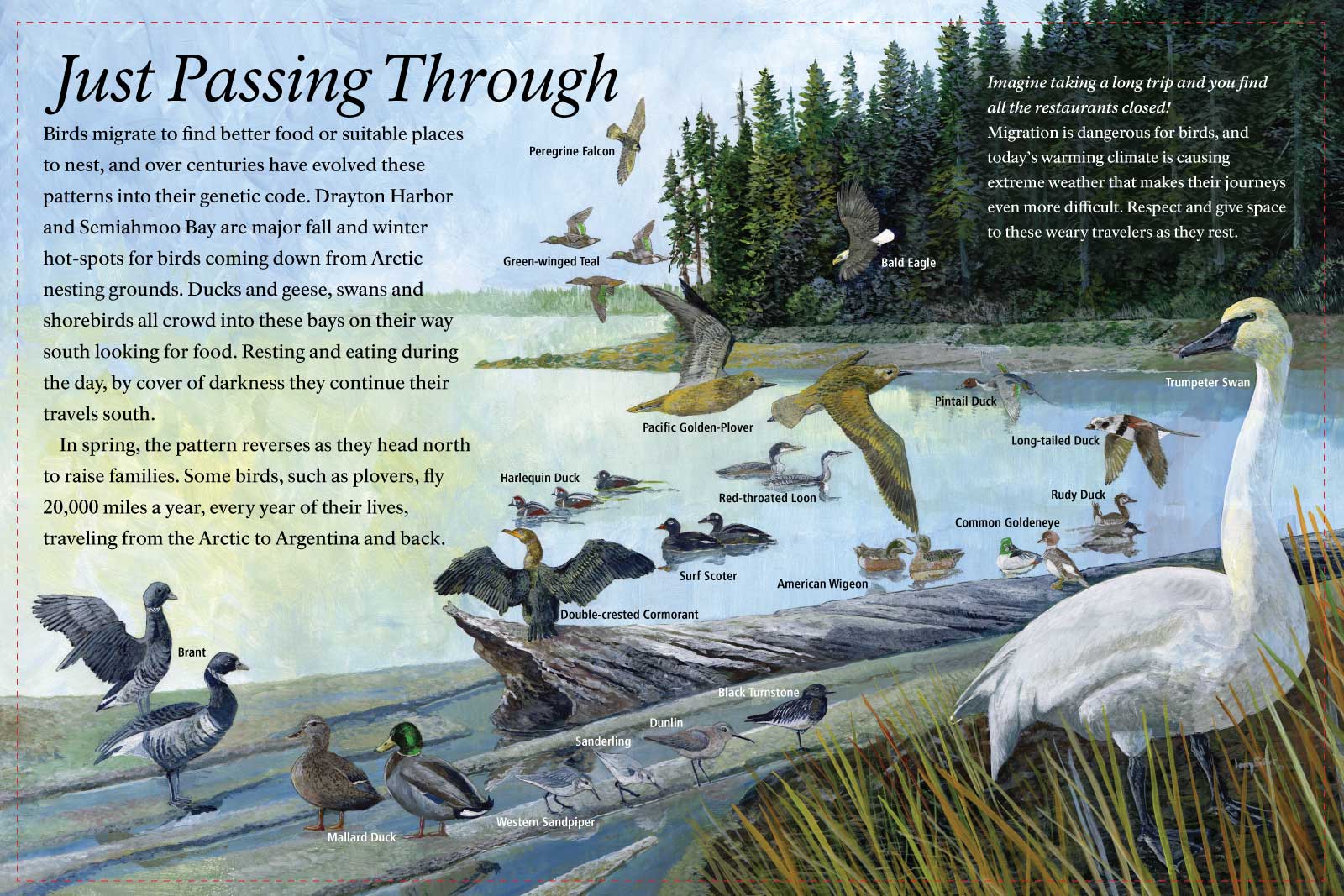
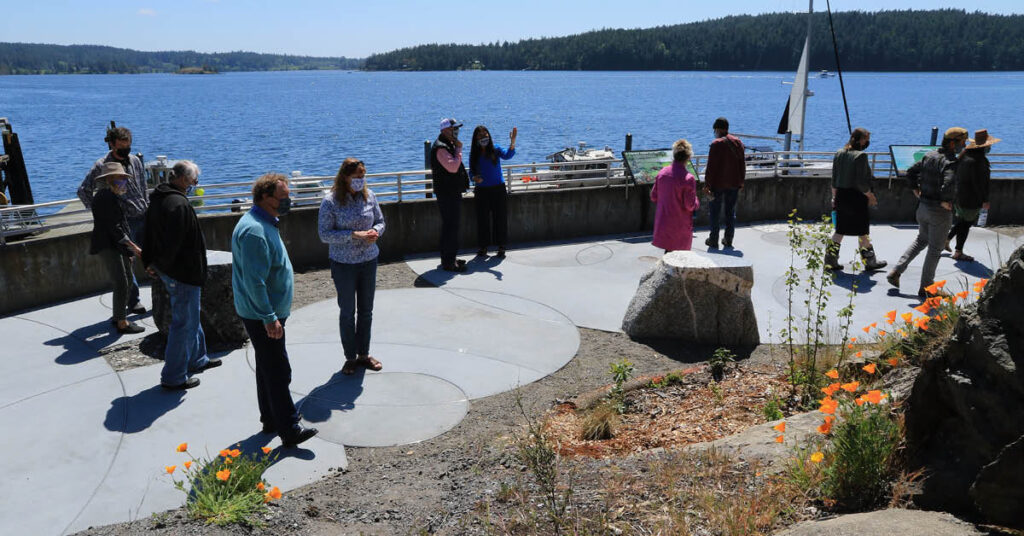
I received some photos of the final installation and it looks very good, so I thought I’d share it here. It took three years to get this figured out, but my part was just a small piece of it. If you’re waiting in line for the ferry, just walk down the ramp and enjoy the view.

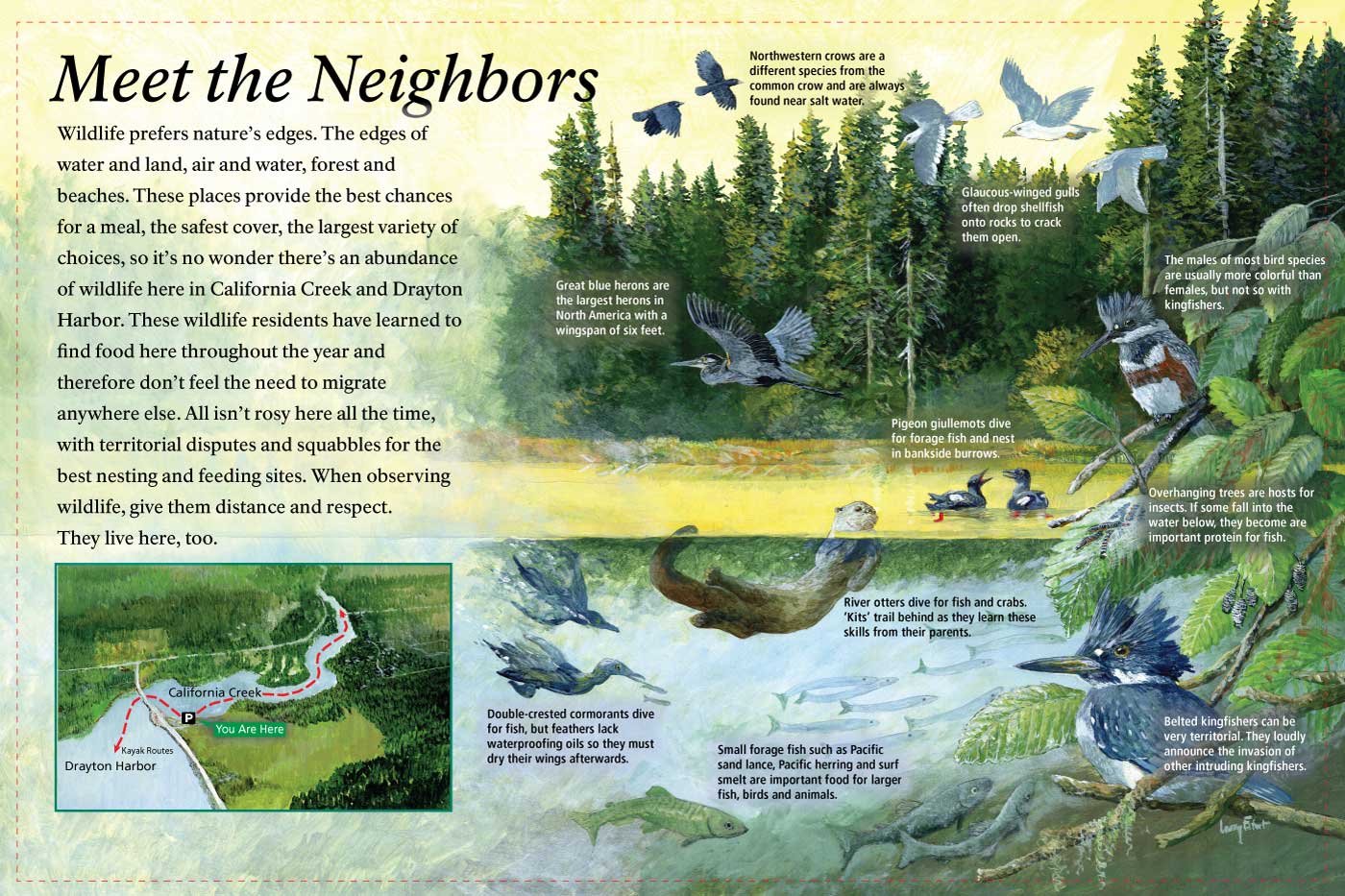
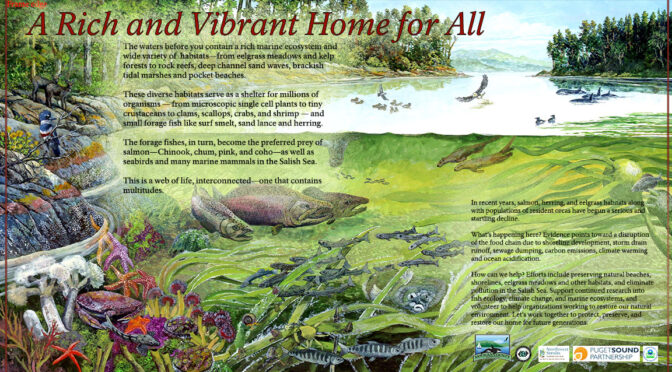
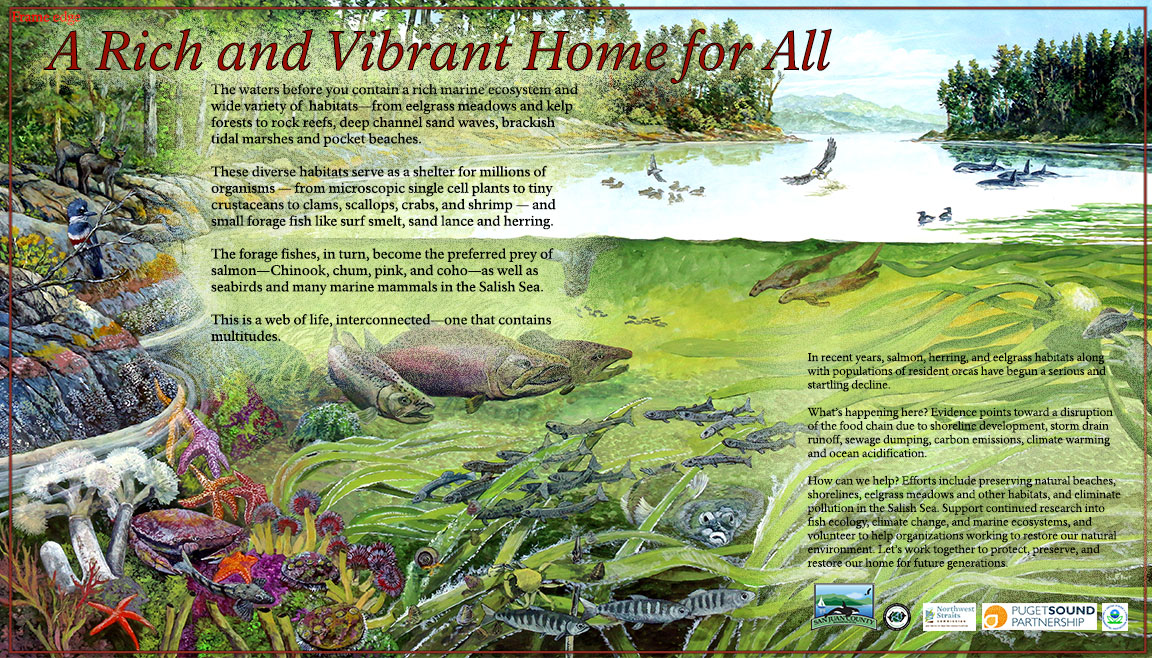
I did two wayside panels here. One about the rich aquatic ecosystem right under the docks – a landscape few of us ever see.

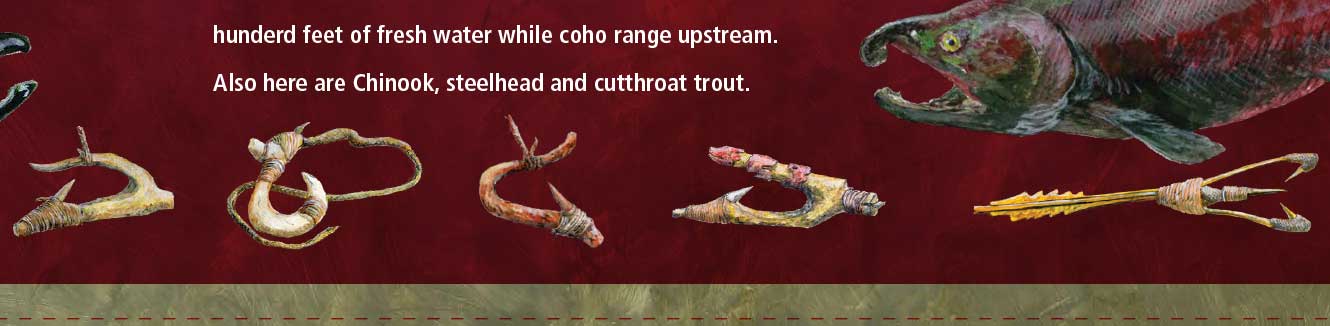
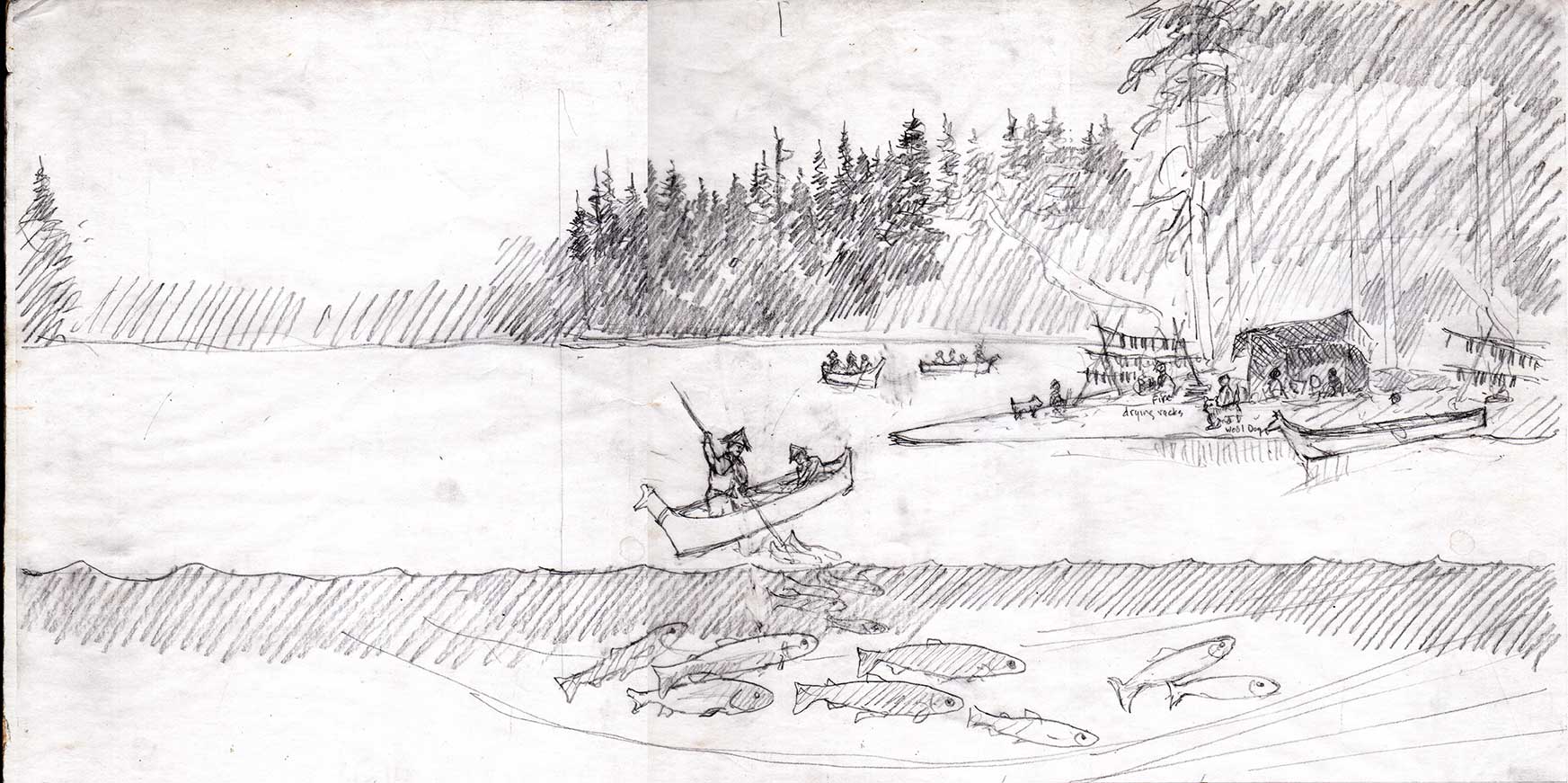
And a panel about the tribal connections here.  For hundreds of years, the Tulalip tribe would use their canoes with a complicated cedar fiber net system to create an artificial reef to trap salmon. Reef fishing, it was called. Back in the 80’s, I saw some of this actually happening and I’ll bet I’m probably the only artist around that could paint reef fishing from memory. For the bottom part, I used artifact photos from the Burke Museum as references for the tools, and a photo of the planking of our own cedar-sided house as a background. I thought it worked pretty well to tell a complicated story. These two images enlarge if you click on them.

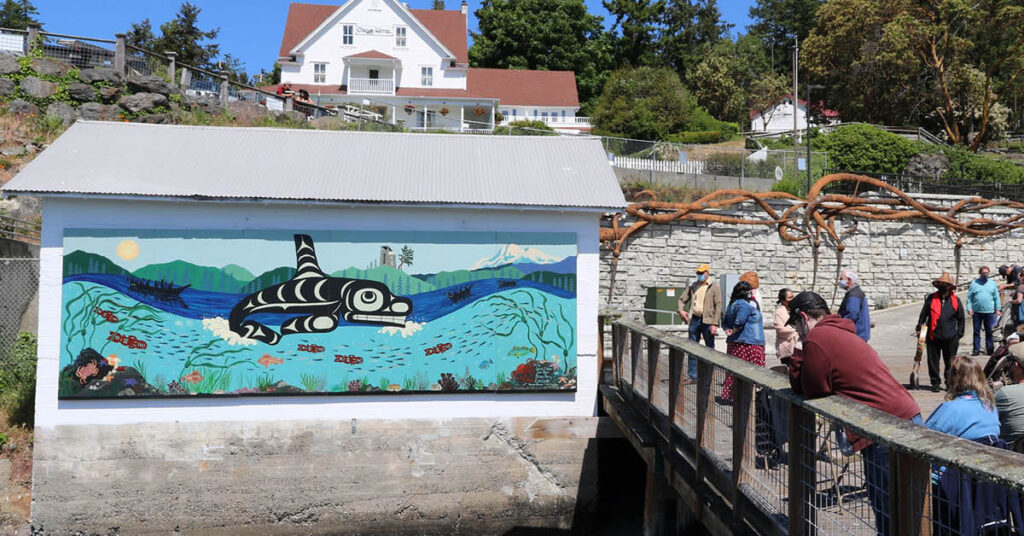
San Juan County removed the wooden decking, added seating and new metal and cement decking, a huge tribal mural painted on the nearby building and some really wonderful iron blacksmithing of bull kelp.

In my mind, this is exactly how public art should be approached. Not ‘art by committee’ where a group selects some strange design by low-bid, but working it out with a broad number of skilled individuals coming together to contribute what they each do best. Check out the seating and native plant garden. I’m proud to have been a part of this, and it sort of comes full-circle for me and my history here.

And here’s a story in the local paper on Orcas Island.

This makes a grand total of 24 paintings now installed on Orcas Island as public art. I get around!

Thanks for reading this week. You can sign up for emails for these posts on my website at larryeifert.com.

Larry Eifert

Here’s my Facebook fan page. I post lots of other stuff there.

And Instagram is here.

Click here to go to our main website – with jigsaw puzzles, prints, interpretive portfolios and lots of other stuff.

Nancy’s web portfolio of stunning photography and paintings.
And here to go to Virginia Eifert’s website.

Back to the Beach

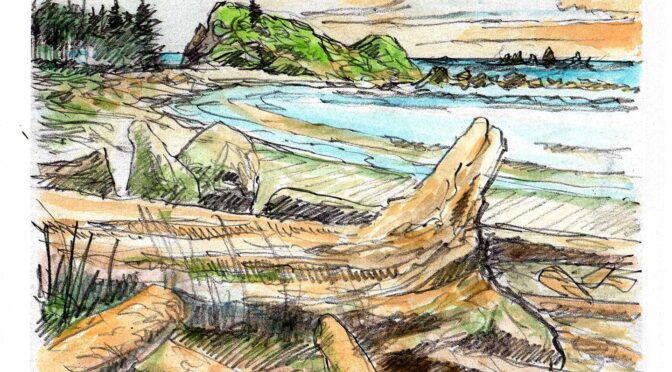
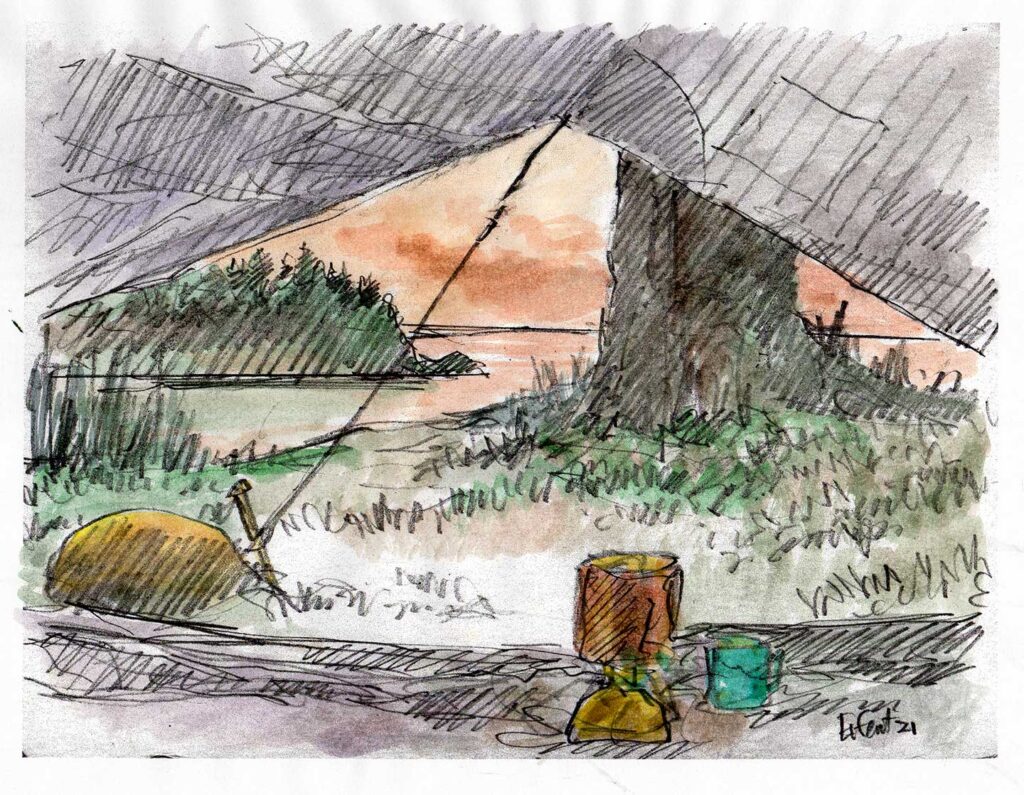
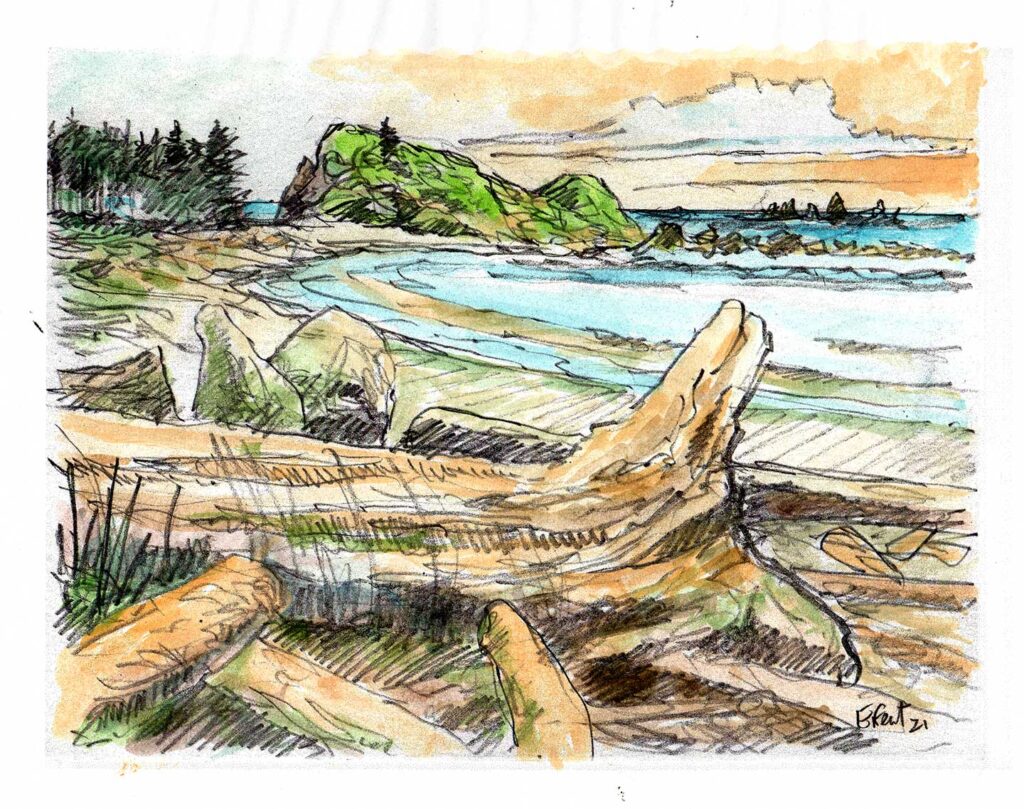
Some little paintings of my time there, inside that tent at sunset, and below, low tide watching sea otters herd the kids around the little bay. They’re simple paintings, but make good memories seeing them again here. 

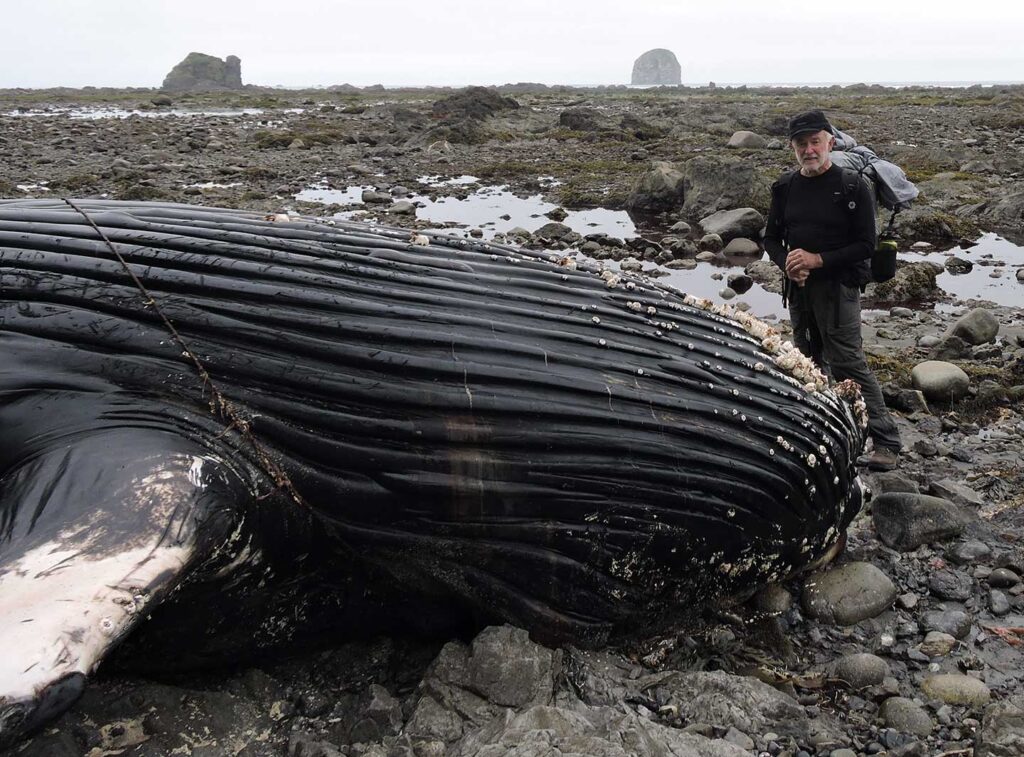
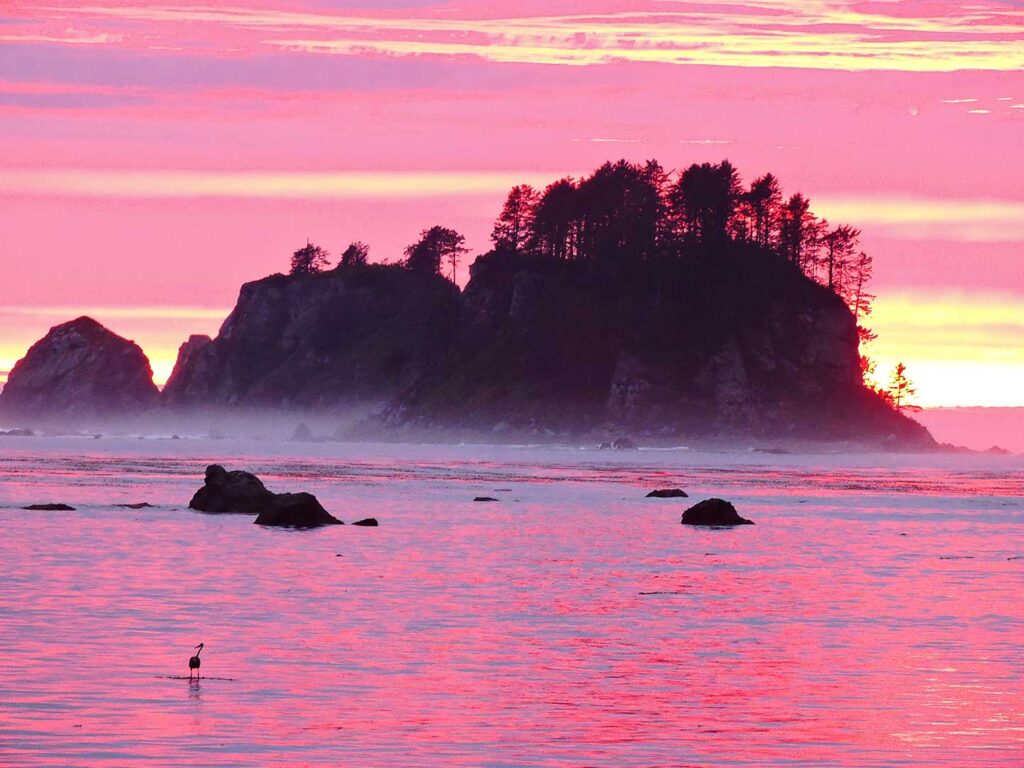
I went back to a wilderness beach hike with my little Six Moon Designs tent and my paints. I had plenty of great nature to worship, including an amazing belly-up humpback whale and a Steller’s sealion, both washed up without much injury as far as I could tell. I’m telling you, it is thrilling to walk up to a 30-foot whale on a wilderness beach, a sort of primal experience I will remember for awhile. As I walked up to it, sounds seemed to become sort of diminished, as if I were walking into a quiet room. It was a long way from the water, as you can see in the photo – a minus tide put the waves very far away and the whale seemed oddly out of place.

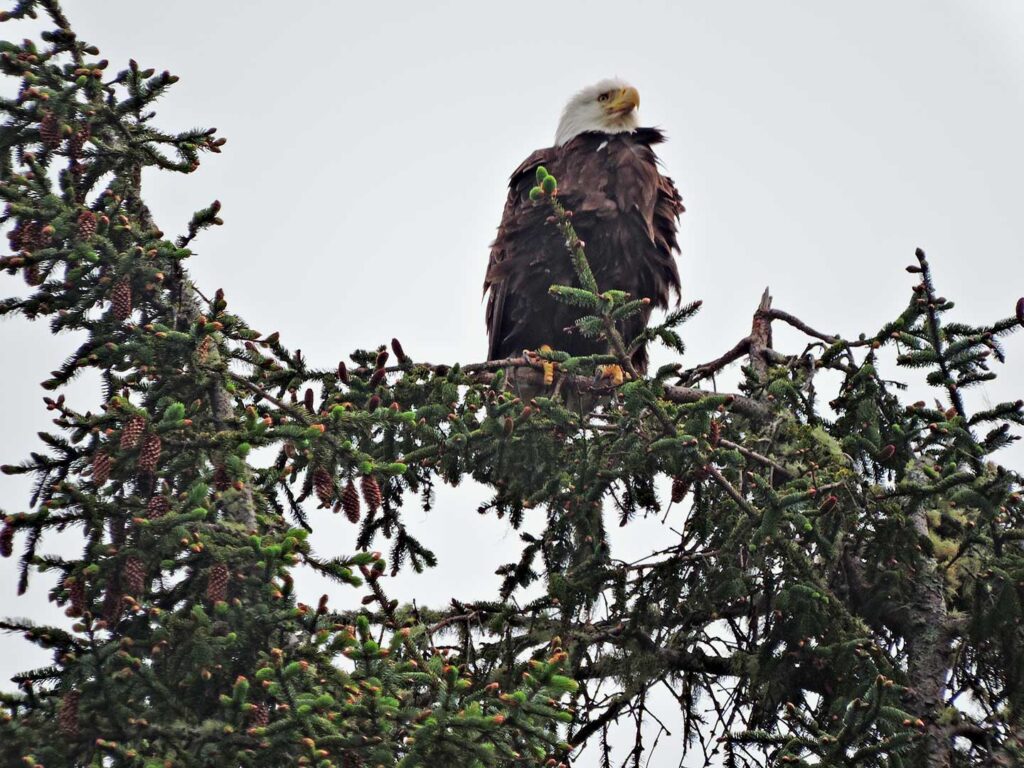
Then this guy:Exactly above my tent in the top canopy of a Sitka spruce, this bald eagle started in at about 5:30 am, broadcasting its discontent at not seeing breakfast out in the ocean I guess – or, who knows what. Soon the ravens got involved – and it was all over for a sleep-in morning. The Starbucks was made early! Later, I watched this eagle spot a fish at least 300 yards out from where it sat on a treetop, taking a long glide off the branch and catch it! How could it see that far?

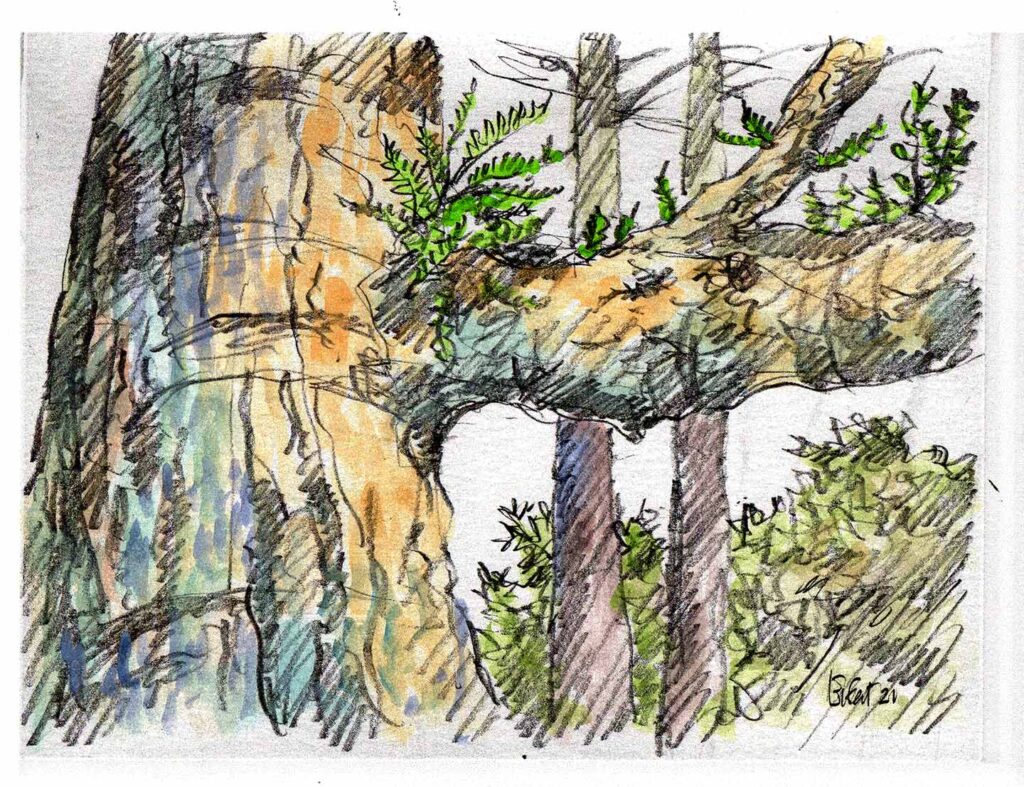
I just recently finished three large paintings for Redwood National Park through the Save-the-Redwoods League. In one, I painted the canopy fern mats that develop in ancient trees (not just redwoods) that come from centuries of needle litter building up on branches. These become pockets of leather ferns, huckleberrys and critters. The wandering salamander live generations in those mats, and marbled murrelets, an endangered sea bird, nest on them.

Walking out of the hike to the trailhead, I spotted this one on an ancient Sitka spruce, not far above my head. It had all the components, leather fern, black huckleberry and maybe some salamanders hidden away in the roots. It all seemed to tie together that my work is my play, my hiking is directly tied to my art. It’s just all one. A symbiosis, if you will, of cause and effect.  Symbiosis is interaction between two different organisms living in close physical association, typically to the advantage of both. Art and nature, I am who I am, therefore it seems I have to paint and write about it, hopefully to the benefit of nature.

Thanks for reading this week. You can sign up for emails for these posts on my website at larryeifert.com.

Larry Eifert

Here’s my Facebook fan page. I post lots of other stuff there.

And Instagram is here.

Click here to go to our main website – with jigsaw puzzles, prints, interpretive portfolios and lots of other stuff.

Nancy’s web portfolio of stunning photography and paintings.
And here to go to Virginia Eifert’s website.

An Art Gallery Along the Trail

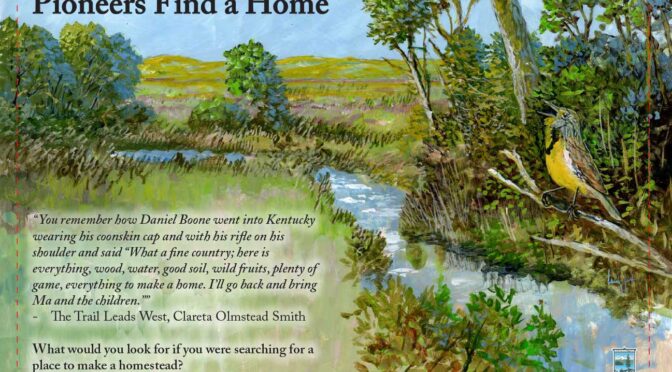
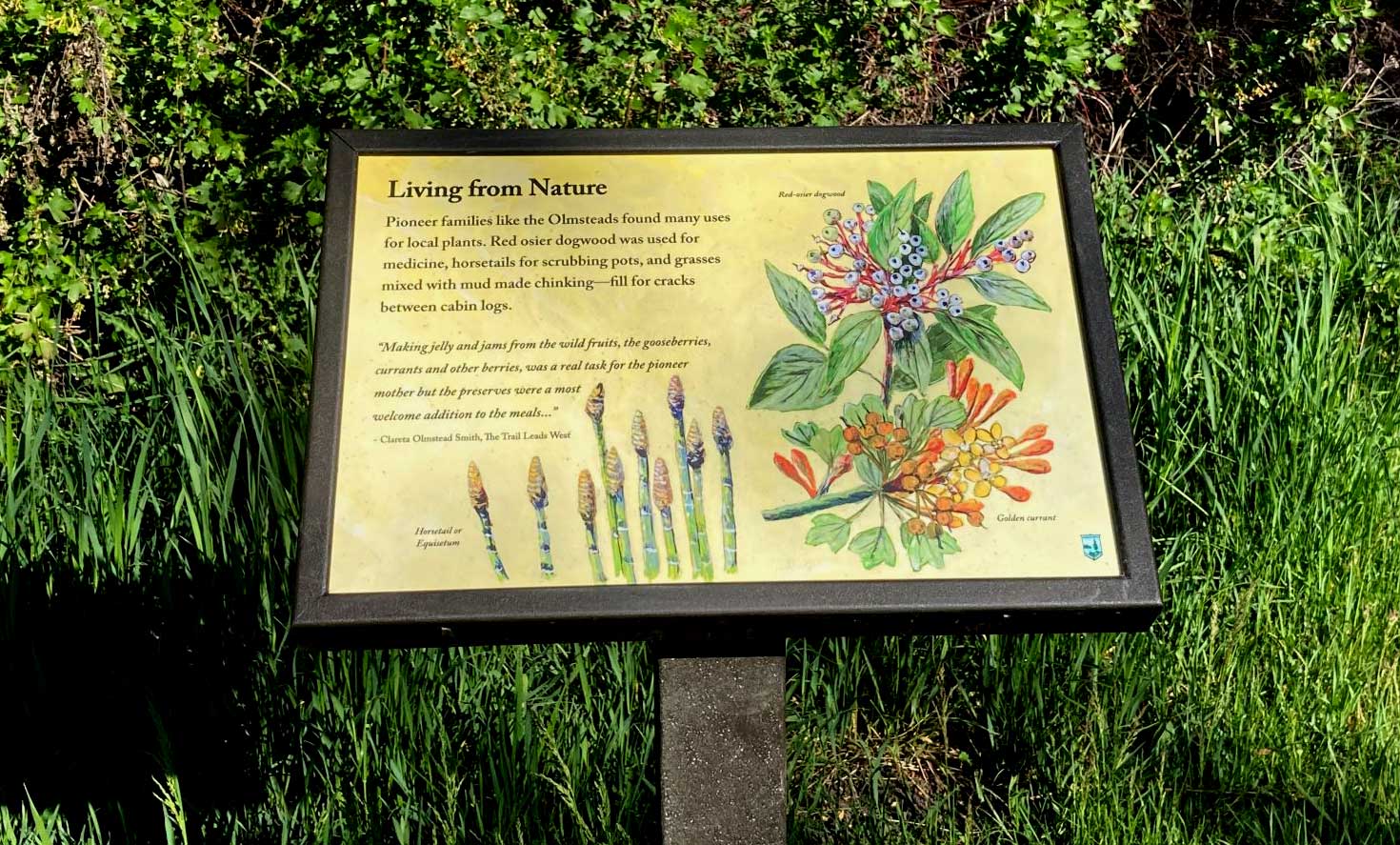
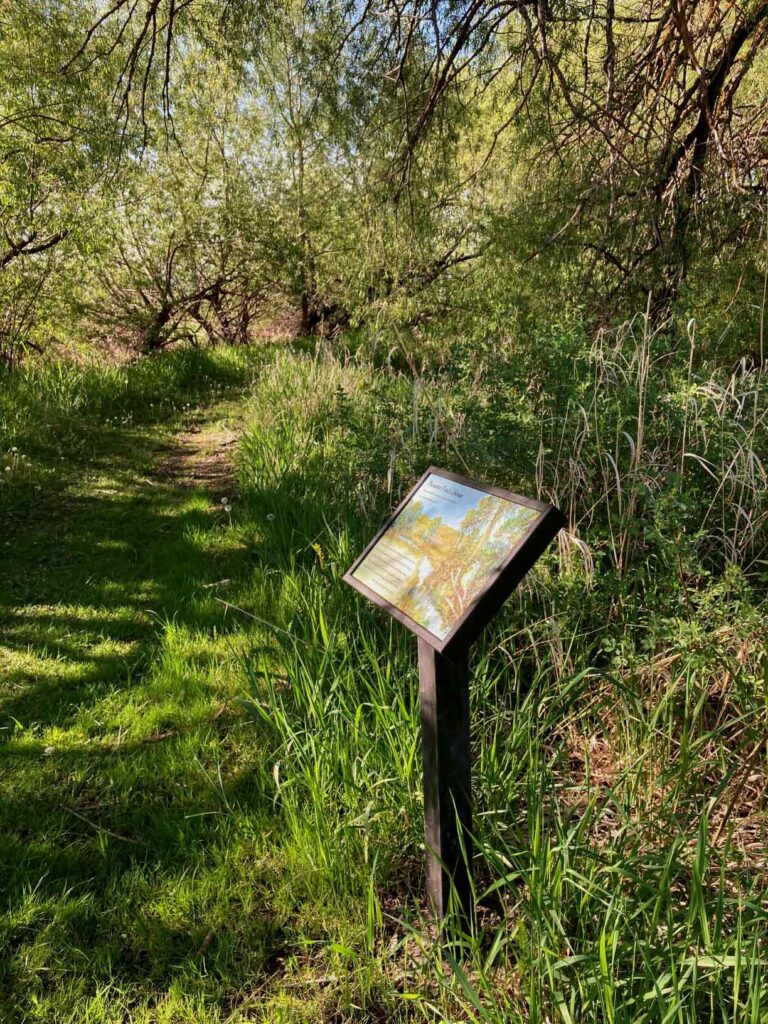
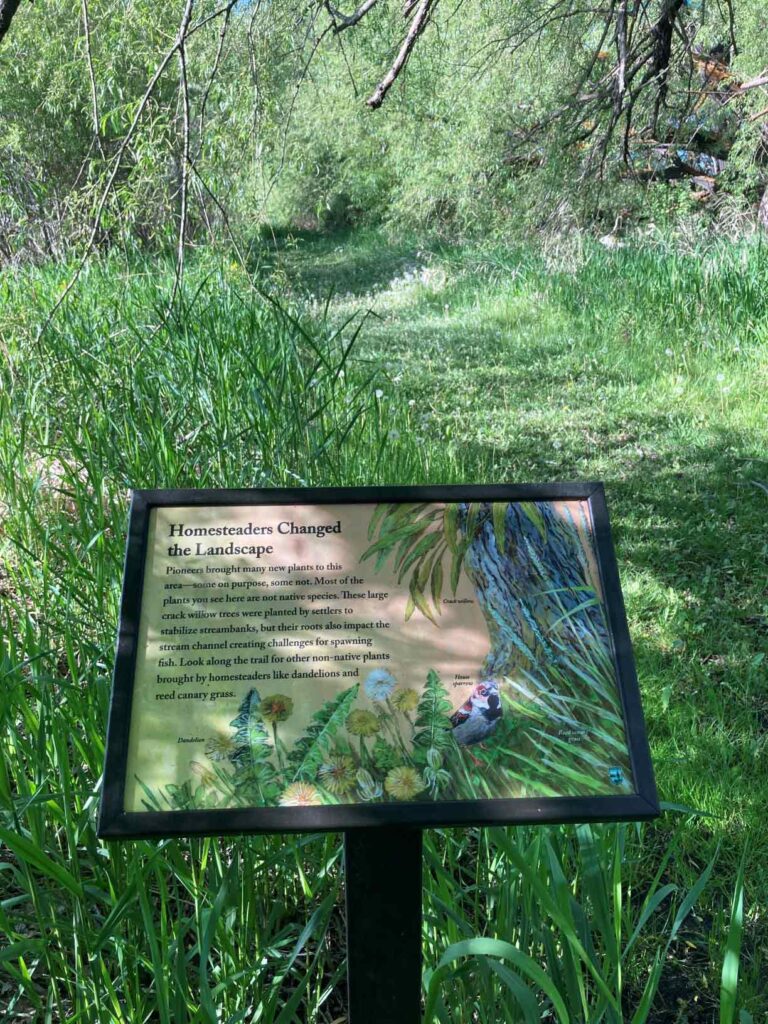
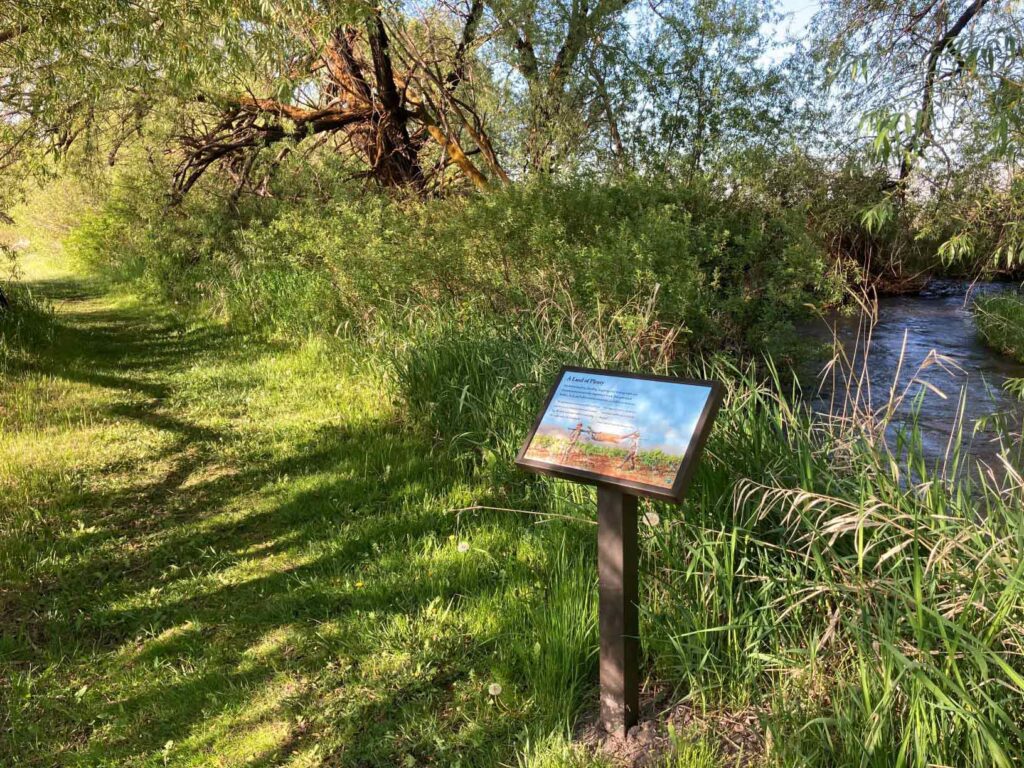
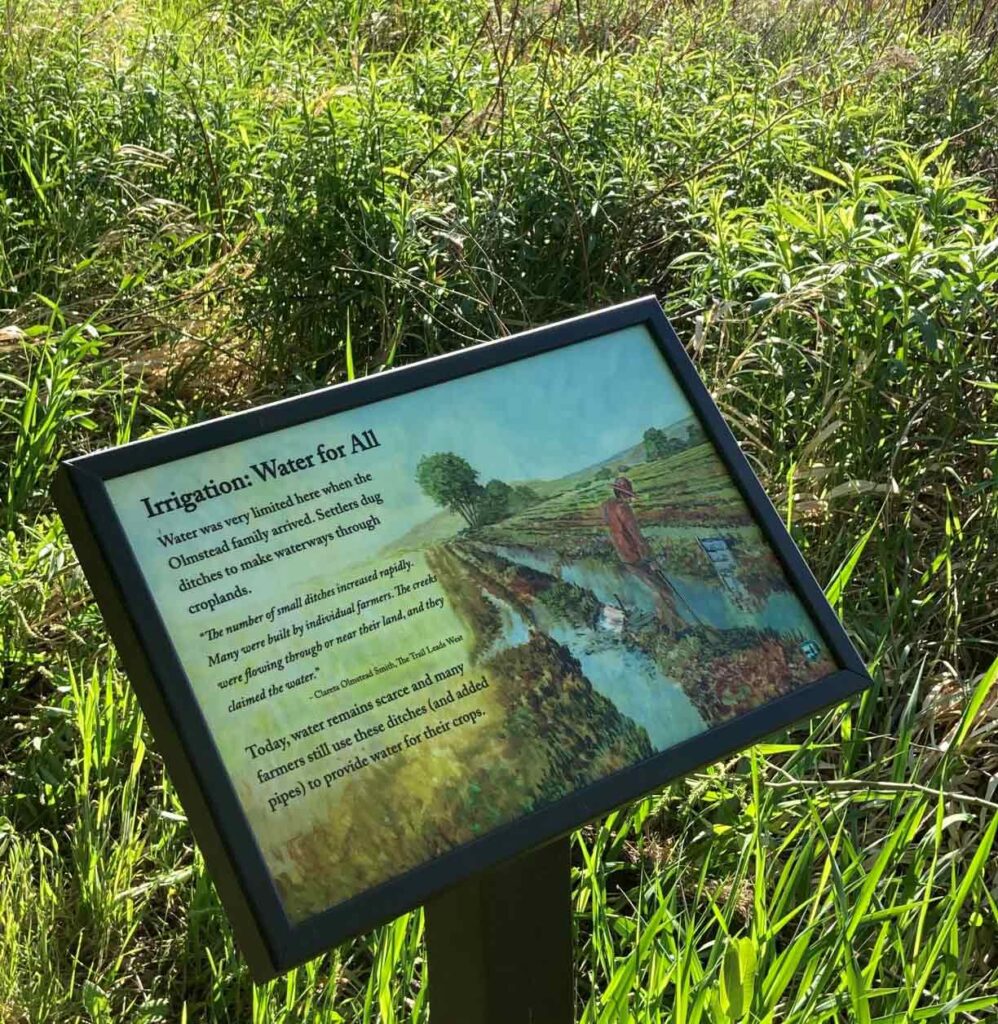
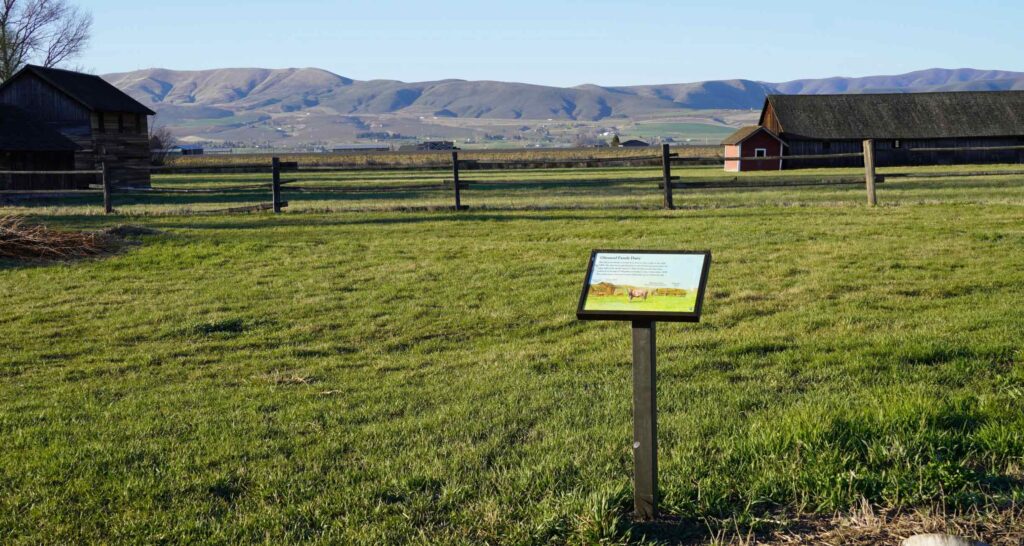
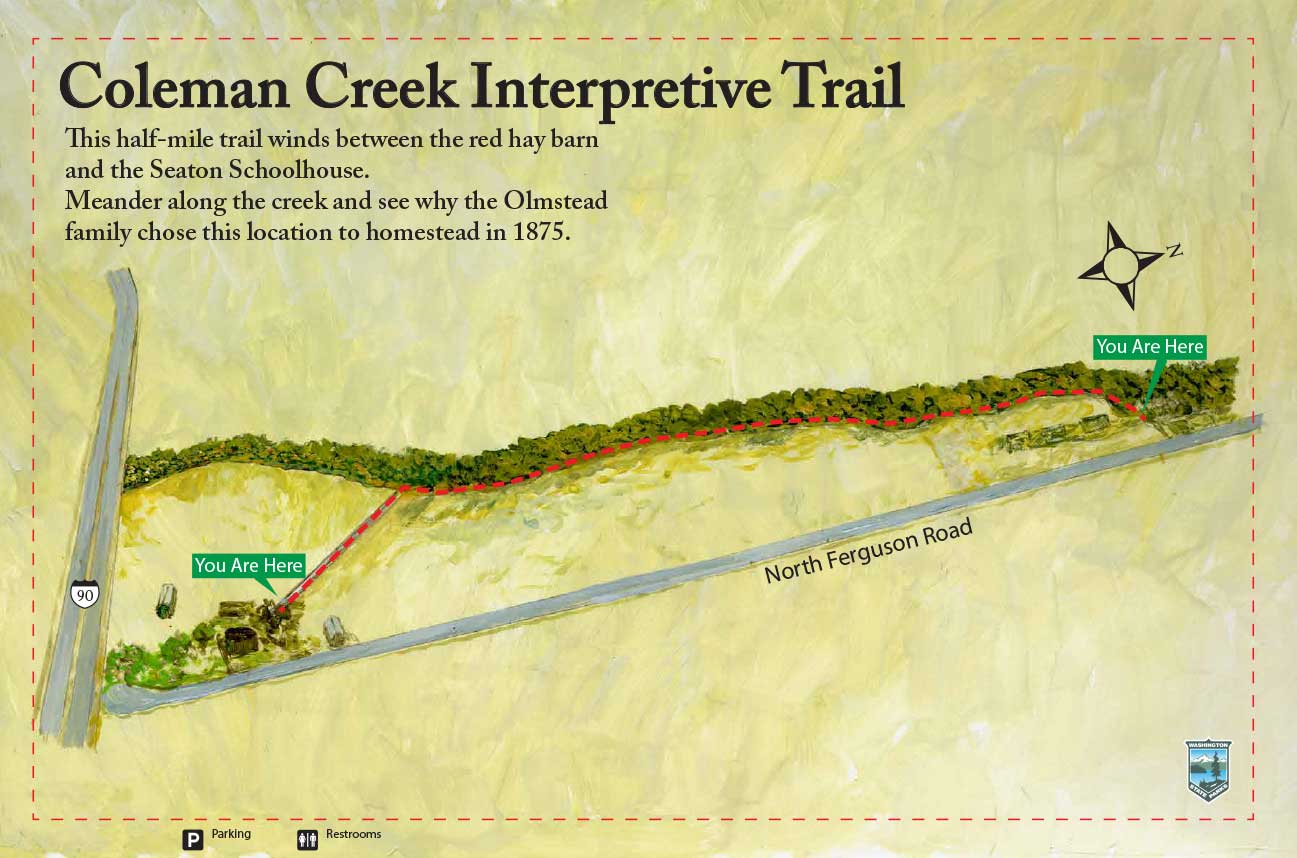
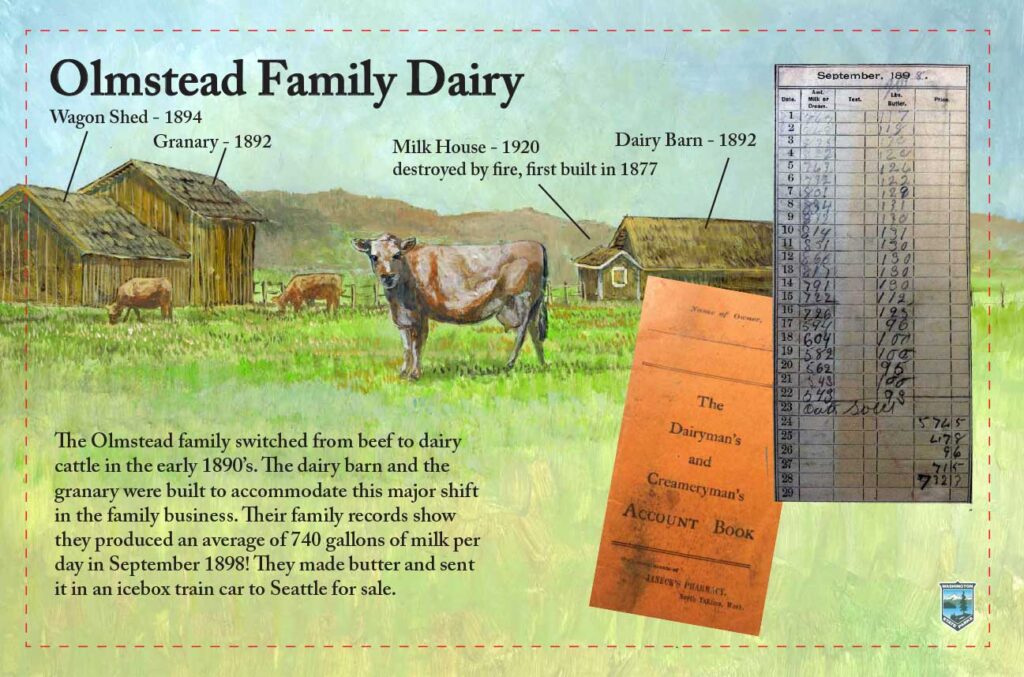
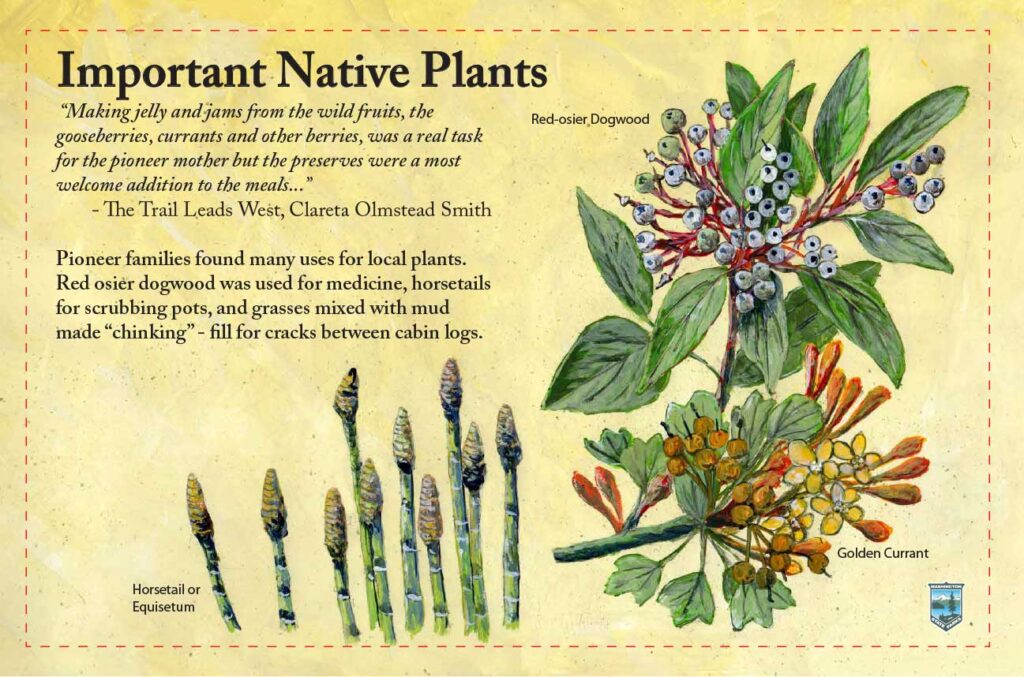
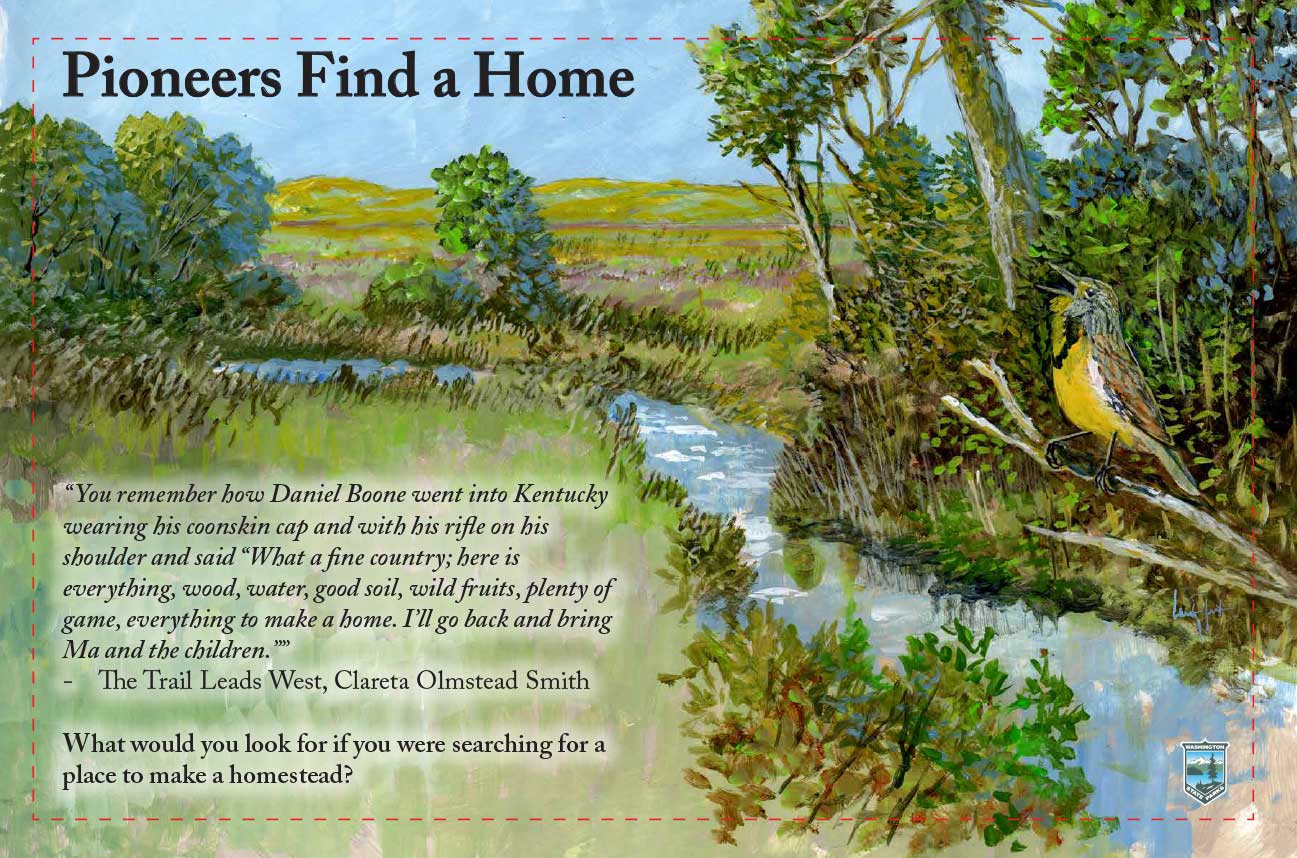
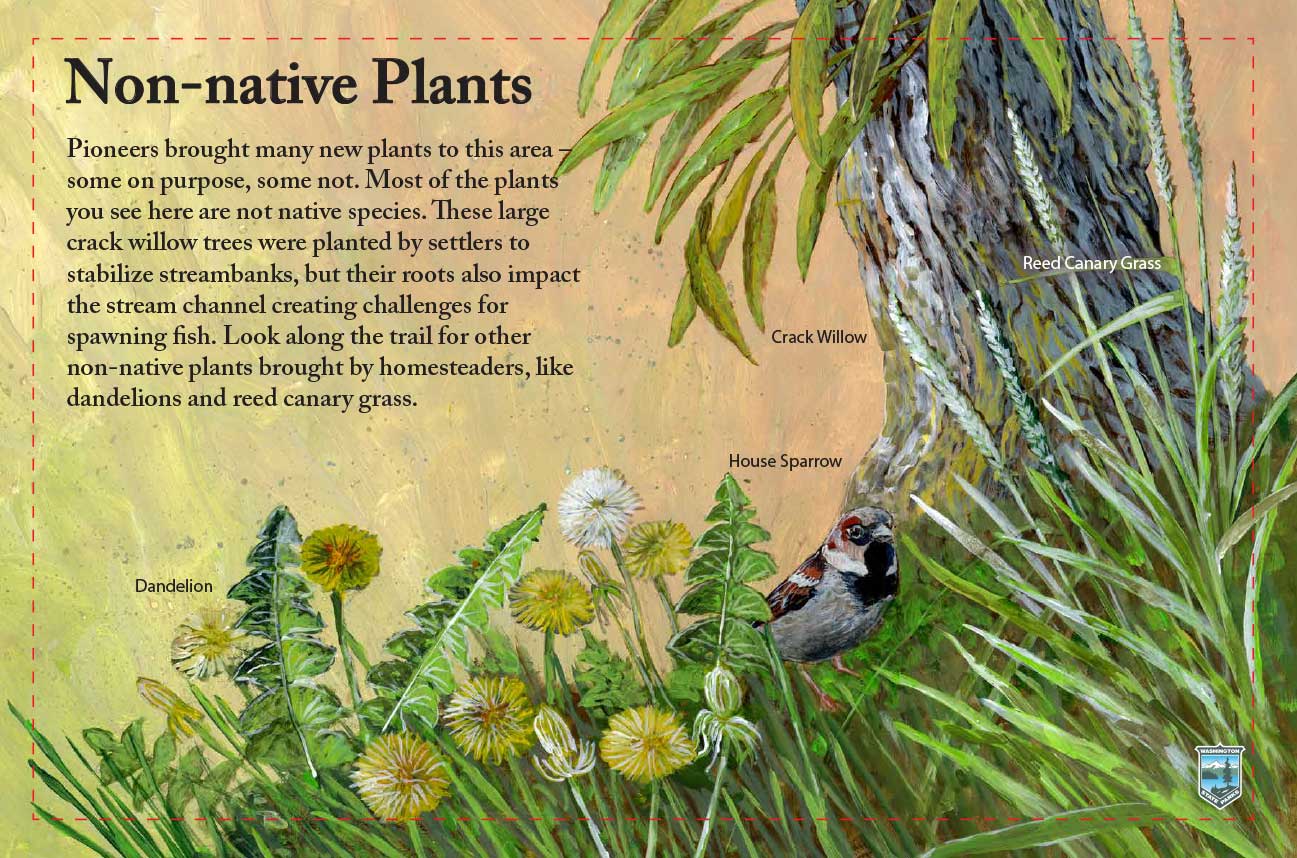
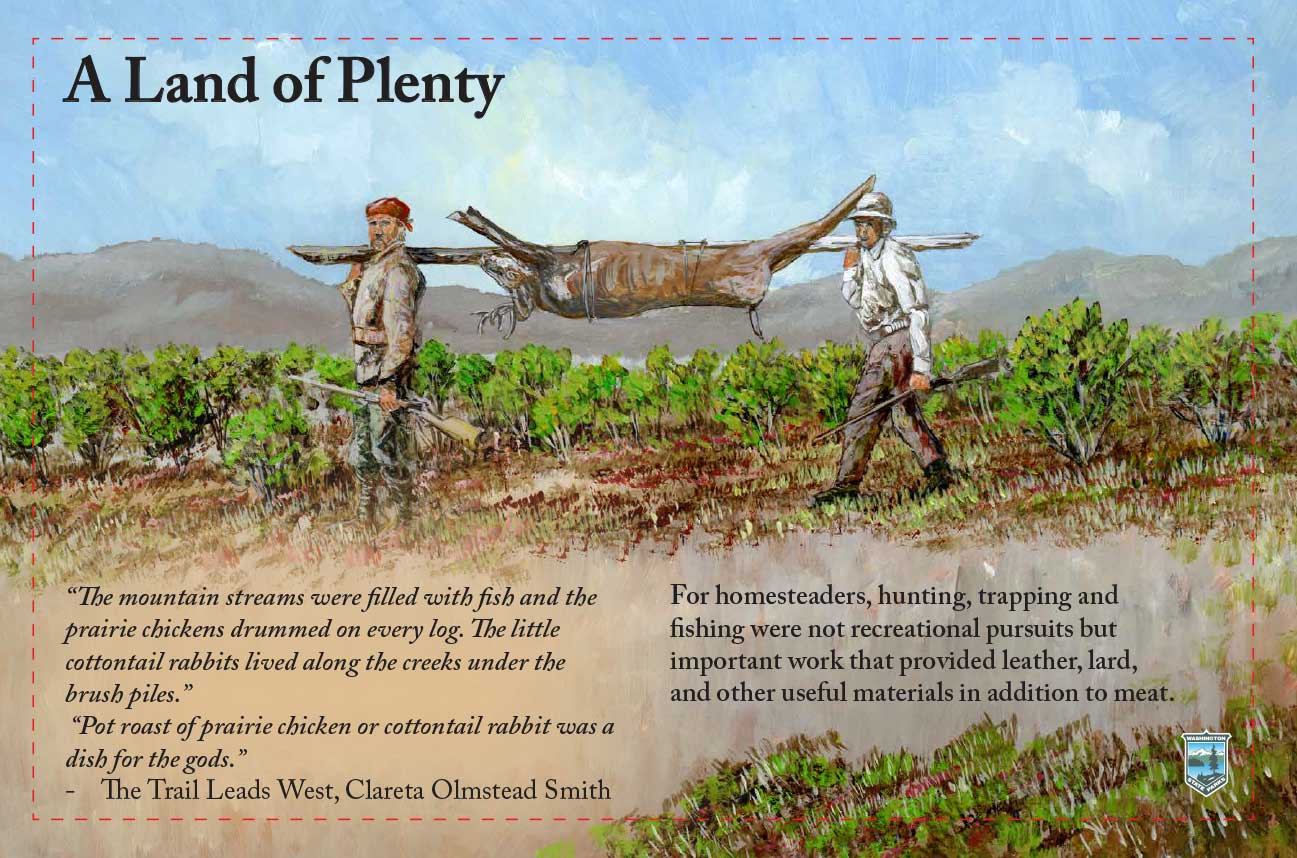
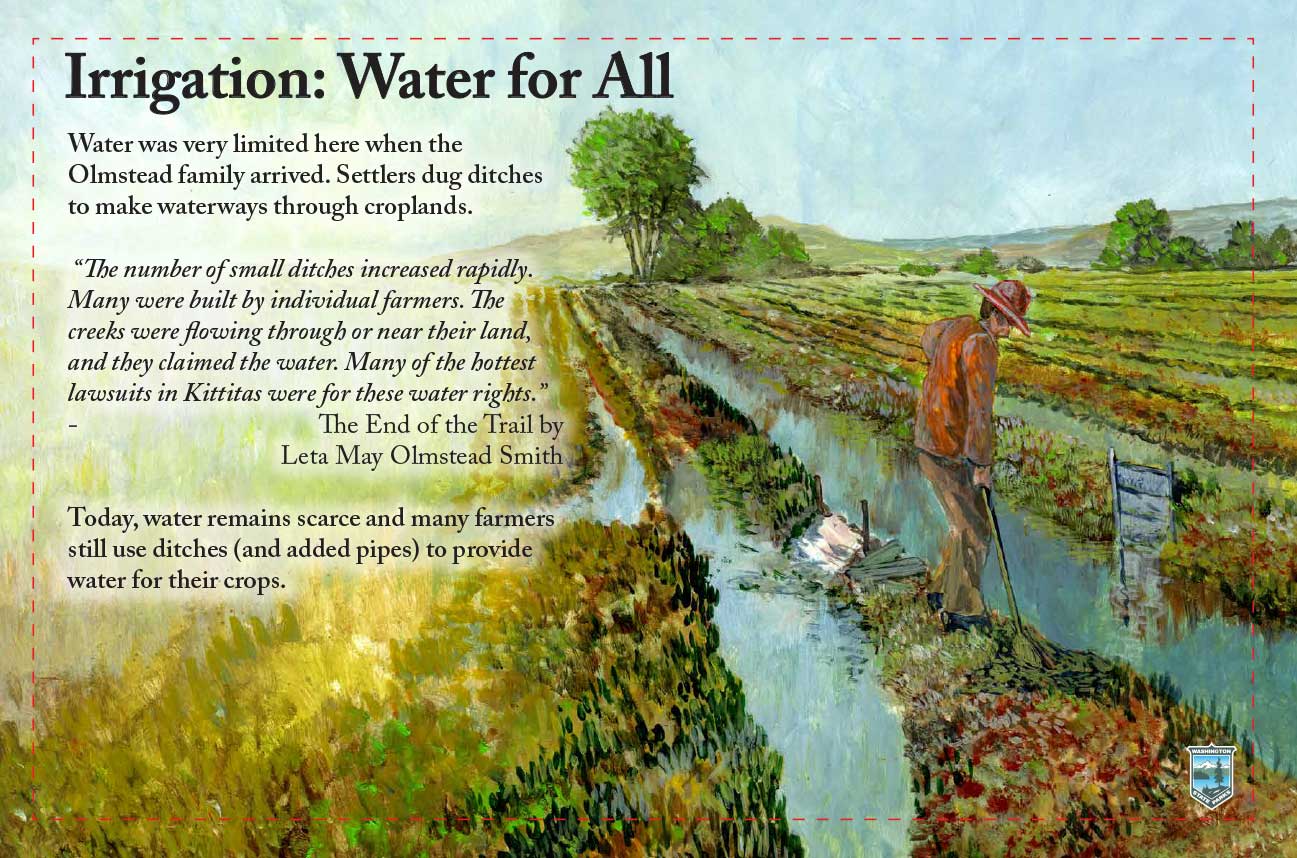
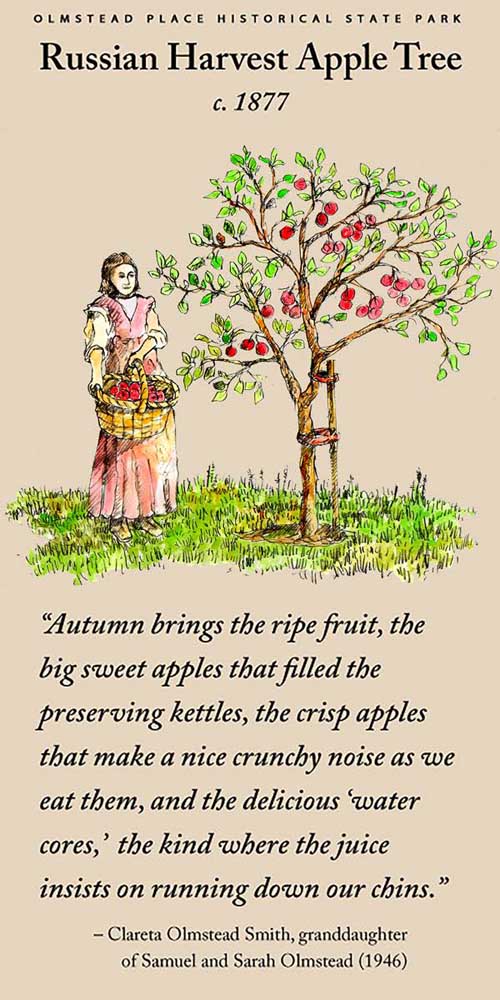
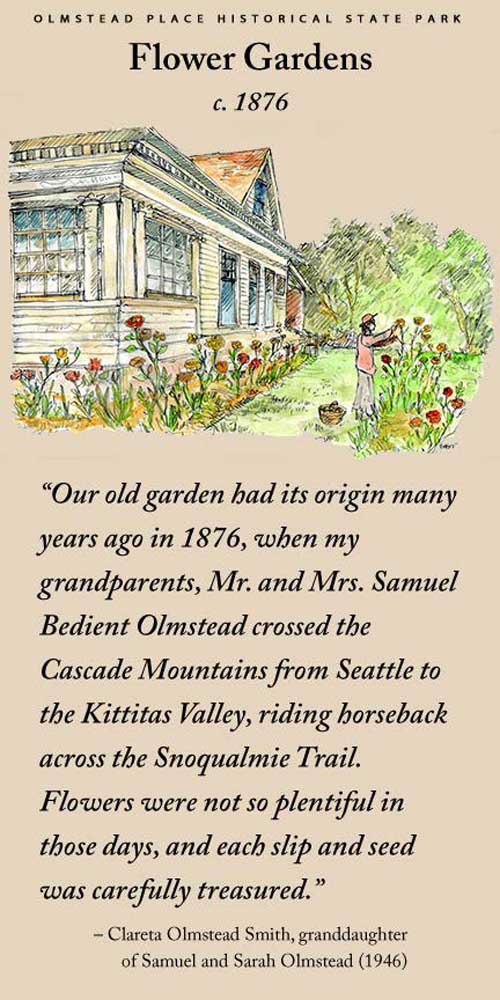
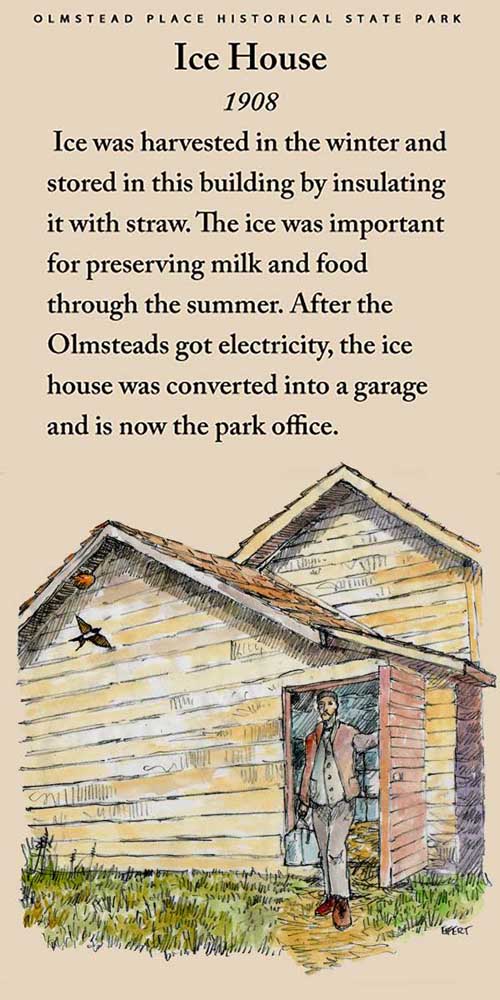
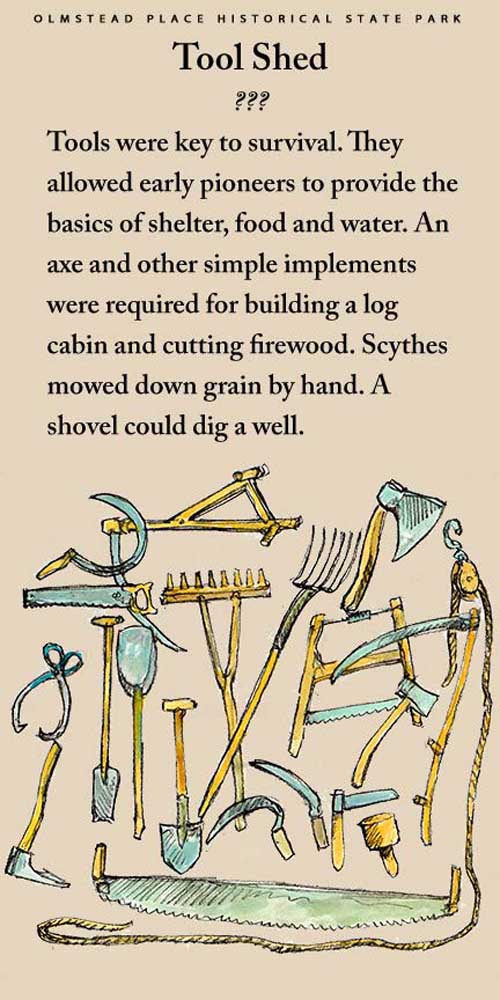
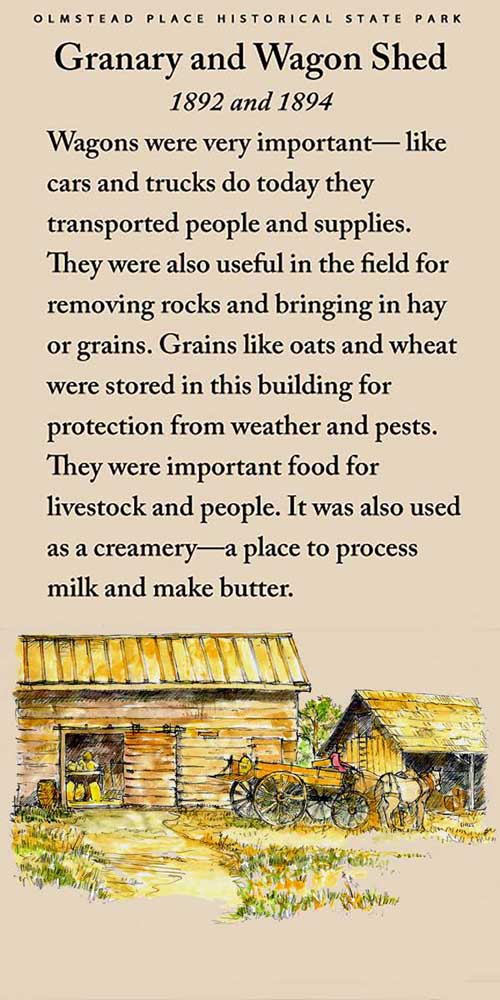
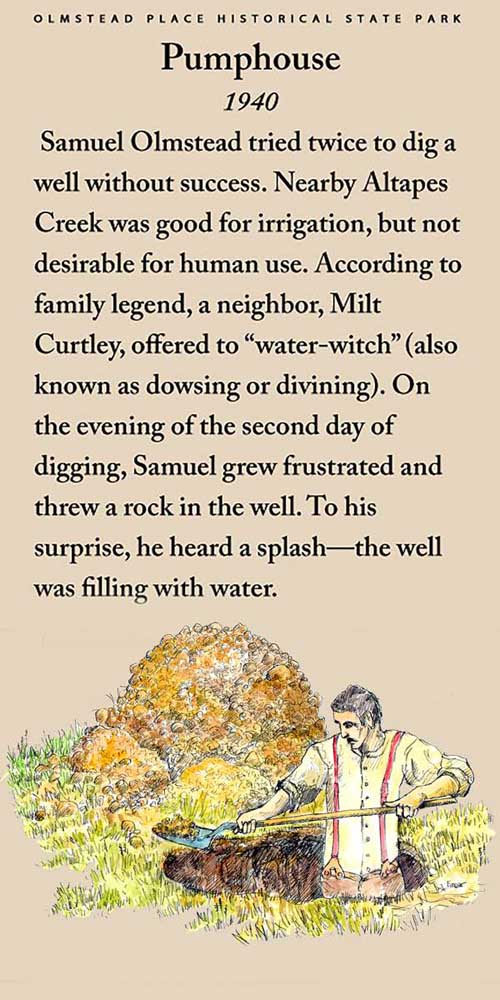
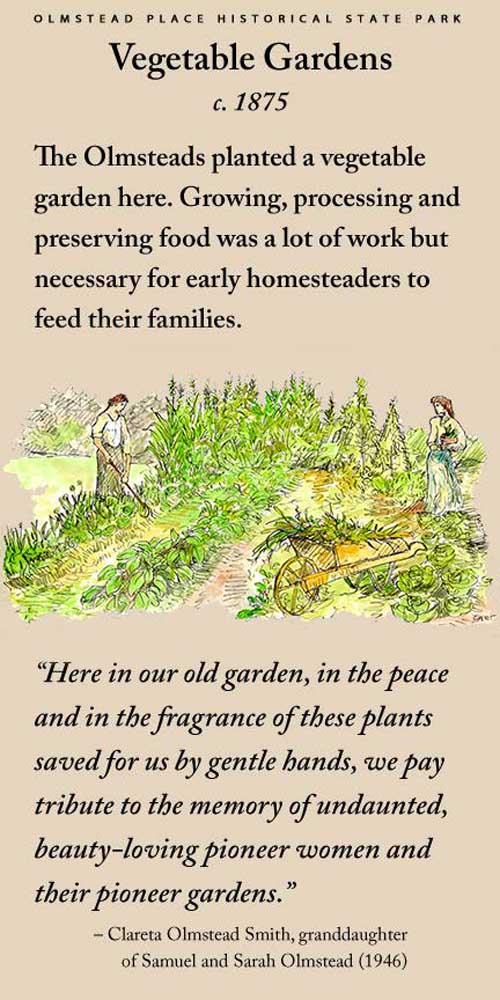
I may paint giant walls and entire park visitor center installations, but some of my favorite projects involve small and intimate encounters along a trail somewhere. Olmstead Place State Historic Park is near Ellensburg Washington just east of the Cascades and is an intact historic farm that clearly shows how tough if was to live here a century ago. Little trails, historic farm buildings, a historic garden and much more. It’s a small place, but in the past couple of years I’ve contributed quite a bit of art to telling its story. Laura Busby at the park recently sent me some installation photos, so I’m sharing them here.

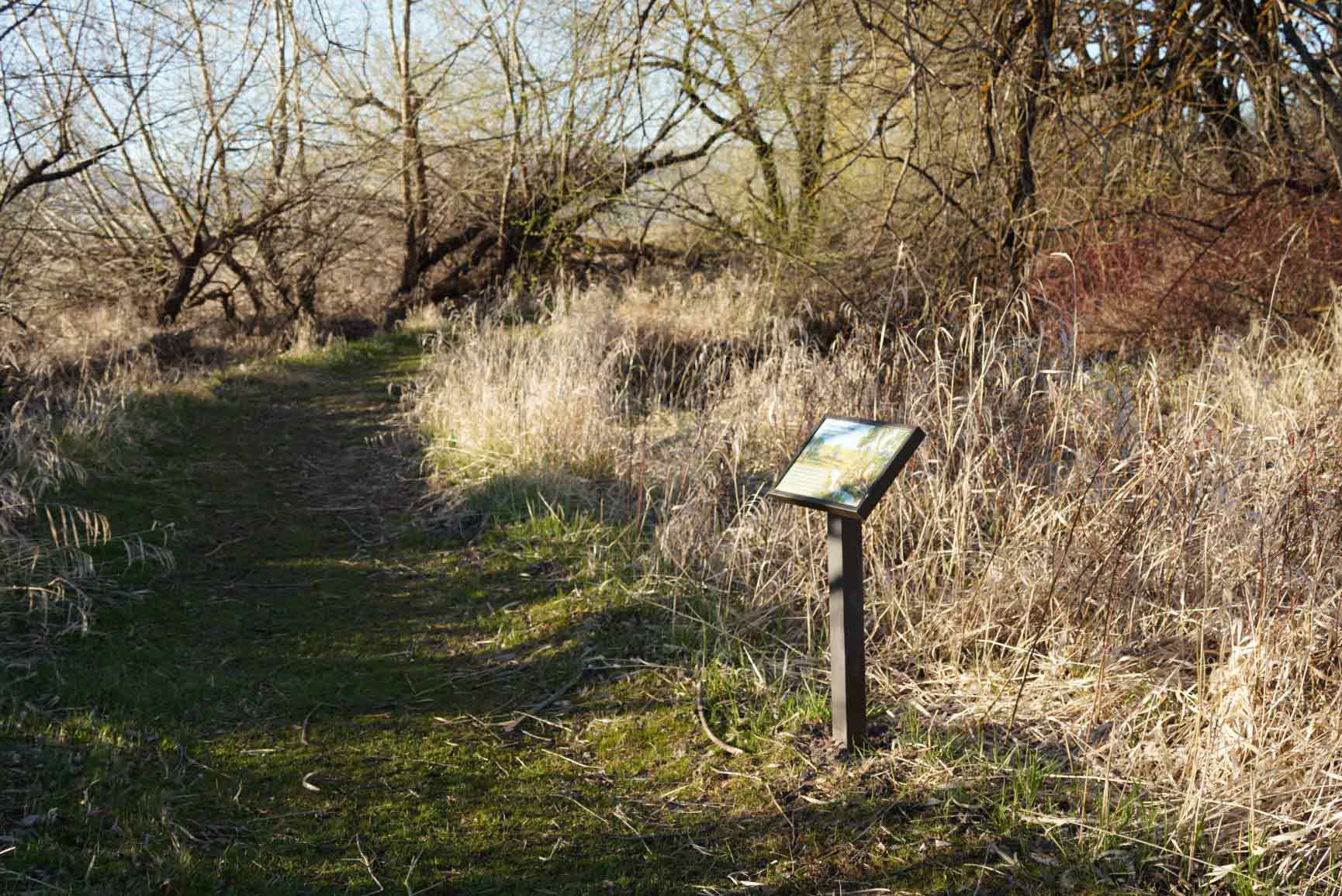
Imagine, you’re walking along a pleasant riparian trail and you come across these:

It’s what I’m all about, I think. Helping people to stumble across an art installation in the woods and also learn a bit about this place, too. Perfect!

Here are most of the paintings as I last saw them, ready to be fabricated and installed.

This second set of panels are placed on the walking trail around the homestead. They’re slightly smaller and painted with watercolor and pencil.


Thanks for reading this week. You can sign up for emails for these posts on my website at larryeifert.com.

Larry Eifert

Here’s my Facebook fan page. I post lots of other stuff there.

And Instagram is here.

Click here to go to our main website – with jigsaw puzzles, prints, interpretive portfolios and lots of other stuff.

Nancy’s web portfolio of stunning photography and paintings.
And here to go to Virginia Eifert’s website.

Humpback Whales

This art and the story at the bottom were published as my page in 48 North magazine a few months ago, December 2020. I just haven’t found time to publish it here, too.

I tend to put together real-life experiences with my art, and this was a perfect example. It means I get to experience something more than once. A few months before this, I was solo sailing out of the Port Townsend Boat Haven marina, got about 300 yards off shore and first heard it, like a giant woosh of a bus falling driving off a dock. Then a vivid smell of foul rotten fish, lots of it. I instantly knew what this was as we’d had the same experience when Nancy and I sailed in Mexico on another boat we owned for a time.

I turned in the cockpit, and an adult humpback breached again right in front of me on its way going down the waterfront. Let me say here that a humpback has flippers as long as my little 19′ Lightning, never mind the entire whale. Humpbacks, they weight about as much as 20 cars – me and my boat, about 1000lbs. But the whale had other things on its mind than me, and went on past with few seeing it, right down the waterfront full of tourists unaware that a viewing chance in a lifetime was only a few feet away.

Pre-sketches for the art. I was fixated with this humpback eye, a very human-like and soulful look. (I got this off the web, thankfully not in person.

Here’s the text for the story: Last month, a juvenile humpback whale was found on the beach at Marrowstone Island, probably hit by a freighter – so this is sort of a requiem to that whale, but also just to pay homage to a species that’s now returning to the Salish Sea after decades of being missing-in-action. After whaling was outlawed in the 1960’s, after there were only about 1000 humpbacks left along the entire West Coast, this critter has made a healthy comeback. Like the gray whale, these animals spend their summers in the north, then migrate south for the winter – and some are now stopping by the Salish Sea to visit us. They are interesting and smart creatures with complex social lives. They sing memorized songs, and the young quietly whisper these tunes as they’re learning them, possibly to avoid being heard by killer whales. They gather together to fish, blowing bubble clouds from beneath schools of small fish or krill to herd them together like a net – a net of bubbles.

These are big creatures, the size of a school bus and weighing up to 40 tons. That’s as much as 20 cars! It would take a 40’ boat slip to moor one adult. Their flippers can be 16 feet long, the longest arms of any creature and tails can be bigger yet. Interestingly, humpback’s heads are different than most whales, covered with round knobby-like structures. Each knob sports at least one stiff hair and it is thought this might be like a motion sensor, but no one really knows. With gray whales, minke and orcas here, the best way to i.d. a humpback isn’t the ‘hump’, which is not a hump at all but just the way they dive by arching their back, but the enormous flipper arm. If you see one of these whales, appreciate it for its amazing comeback from threat of extinction.

Thanks for reading this week. You can sign up for emails for these posts on my website at larryeifert.com.

Larry Eifert

Here’s my Facebook fan page. I post lots of other stuff there.

And Instagram is here.

Click here to go to our main website – with jigsaw puzzles, prints, interpretive portfolios and lots of other stuff.

Nancy’s web portfolio of stunning photography and paintings.
And here to go to Virginia Eifert’s website.

Sucia Island Marine Food Webs

There are 16 paintings here, all in layers!

This is my second effort for two wayside panels at Sucia Island in the San Juan Islands. See the other one here. This one is much more complex, many pieces of art all layered together to tell the story of forage fish, salmon and orca whales.

Here is the initial concept.

And here is the seventh version.

And below are the individual little paintings used to make this final composite.

Many Friends groups often use my final art for other uses. We put the art on posters, jigsaw puzzles, framed art they can use for fund-raising. Sorry to say, but obviously that can’t be the case with this one – but I thought the orca and salmon paintings were worthy of being stand-alone art.

I know lots of Northwest boaters read this blog since I also write a monthly page for 48 North, the Puget Sound boating magazine. Next time you’re anchored off Sucia Island, search out these two installations. They’ll be living their lives sitting beside Mud Bay. I will, too.

Thanks for reading this week. You can sign up for emails for these posts on my website at larryeifert.com.

Larry Eifert

Here’s my Facebook fan page. I post lots of other stuff there.

And Instagram is here.

Click here to go to our main website – with jigsaw puzzles, prints, interpretive portfolios and lots of other stuff.

Nancy’s web portfolio of stunning photography and paintings.
And here to go to Virginia Eifert’s website.

Sucia Island State Park wayside art

I’ve been busy with no time to post here – but now I’m back with some new stuff. I was commissioned to produce two outdoor free-standing installations on one of the most remote and remarkable islands in the Salish Sea, Sucia Island Marine State Park. This place holds great meaning and many memories for me – I’ve been here countless times. It’s along the US – Canadian boundary north of the San Juan Islands and it takes some time just to get there. There isn’t ferry service, only private boats come here – and maybe a giant barge for this project.

A small muddy bay once had a sand spit beach dividing off a productive and pristine salt marsh with the bay. Years ago, a road was built on the beach top and shoreline armoring with a culvert. This stopped salmon completely from entering the marsh at high tides, a good source of insect food.

With the direction of the Friends of the San Juans and many funders, they brought out heavy equipment on a barge and removed the culvert, cement armoring and put things right again. And, at the end, I got to paint it, twice. I’ll post the second panel soon.

Here’s the original first draft sketch – pretty close to what the end result was, don’t you think?  And below is the final sketch version with text in place and a few things added.

Below is the final art, ready to be put in the design. If this image looks serene, that’s the exact word I’d use for this ethereal place – maybe one of the very best in the Pacific Northwest.

So, doing this made  me remember the history I have here. Many paintings of mine were painted here. THREE boats of mine have been purchased, restored, countless hours spent making them run and be safe – and decades of time has been used to get me (as a painter of nature) to places like this. When Shannon and Tina requested a couple of boats in this painting to show human interaction here, I realized I could put my own experiences in the painting.

So, classic wooden boat memories, all of them, here is “October” in the 1980’s. Then “Rumpuckarori” in the 1990’s. And finally “Sea Witch” in the 2000’s.

This image of Sea Witch, below, was actually taken at anchor right here in Snoring Bay, straight out front in the painting. These three boats undoubtedly helped make me the painter and person I am today. “October” got me to Alaska the first time, and another not shown got me to Mexico. Nancy and I lived aboard “Rumpy” during some of the best times for both of us, and there Nancy is in the cockpit of “Sea Witch”, below.

Thanks to Tina and Shannon from the help in making these paintings interesting and fun memories for me.

If you’re reading this on social media, I, Larry Eifert, paints and sails the Pacific Northwest from Port Townsend. My large-scale murals can be seen in many national parks across America, and at larryeifert.com.

Thanks for reading this week. You can sign up for emails for these posts on my website at larryeifert.com.

Larry Eifert

Here’s my Facebook fan page. I post lots of other stuff there.

And Instagram is here.

Click here to go to our main website – with jigsaw puzzles, prints, interpretive portfolios and lots of other stuff.

Nancy’s web portfolio of stunning photography and paintings.
And here to go to Virginia Eifert’s website.

Stubby Rose Anemone

This is another page from my 48 North magazine monthly story series and I’m getting these on my website so there’s a record. This was published last fall. These little efforts aren’t big wall murals or carefully thought out paintings, but more like the art I like to do on backcountry hikes – quick and dirty paintings that are really fun for me. Sketchpad and a pencil.

Below is the text that went with this. I try not to press down with too much science, but some of these monthly efforts are really interesting when I get into them, and just have to pass it on. Anemones are favorite critters of mine, and a good thing since there are many varieties here where I live in the Pacific Northwest. The closest anemone? Probably a half mile from where I write this.

Anemones are predatory sea animals named after land-based flowering plants of the buttercup family. They really do look like flowers! Some can move around, most remain anchored in one place, others float near the surface. Often, anemones line rocks, waving their stinging tentacles in search of passing prey. Many are solitary but some form groups, like a garden in spring. The stubby rose anemone has carved out a life of being mostly buried in sand and gravel, often with only its short tentacles exposed, looking like a 4” wide red or pink pin cushion. Anemones often live in close association with small crabs, fish or other animals to their mutual benefit, each helping the others is subtle ways. When we describe something as an animal, we usually think of cats or bats, deer or mice, but anemones really are animals.  

Muscles and nerves, stomach and mouth, arms and a column for a body – they’re like other animals in many ways. But anemones also have a few things most animals don’t have, like stinging tentacles that help subdue prey. The tentacles are armed with special cells that are defensive and also used to subdue prey. A tiny trigger hair, when brushed, sets off a harpoon that injects a lethal dose of toxin into the victim. Sometimes it’s another anemone and the battle can leave both injured. On a low tide, you can find these interesting animals, yes, animals, in gravelly sand, looking decidedly stressed they await incoming water to let it bloom again. Their stubby rose-colored arms are good descriptors, but there are also dozens of other anemones in the Salish Sea. The stubby rose has just recently been discovered to live here.

My model!

Larry Eifert paints and sails the Pacific Northwest from Port Townsend. His large-scale murals can be seen in many national parks across America, and at larryeifert.com.

Thanks for reading this week. You can sign up for emails for these posts on my website at larryeifert.com.

Larry Eifert

Here’s my Facebook fan page. I post lots of other stuff there.

And Instagram is here.

Click here to go to our main website – with jigsaw puzzles, prints, interpretive portfolios and lots of other stuff.

Nancy’s web portfolio of stunning photography and paintings.
And here to go to Virginia Eifert’s website.